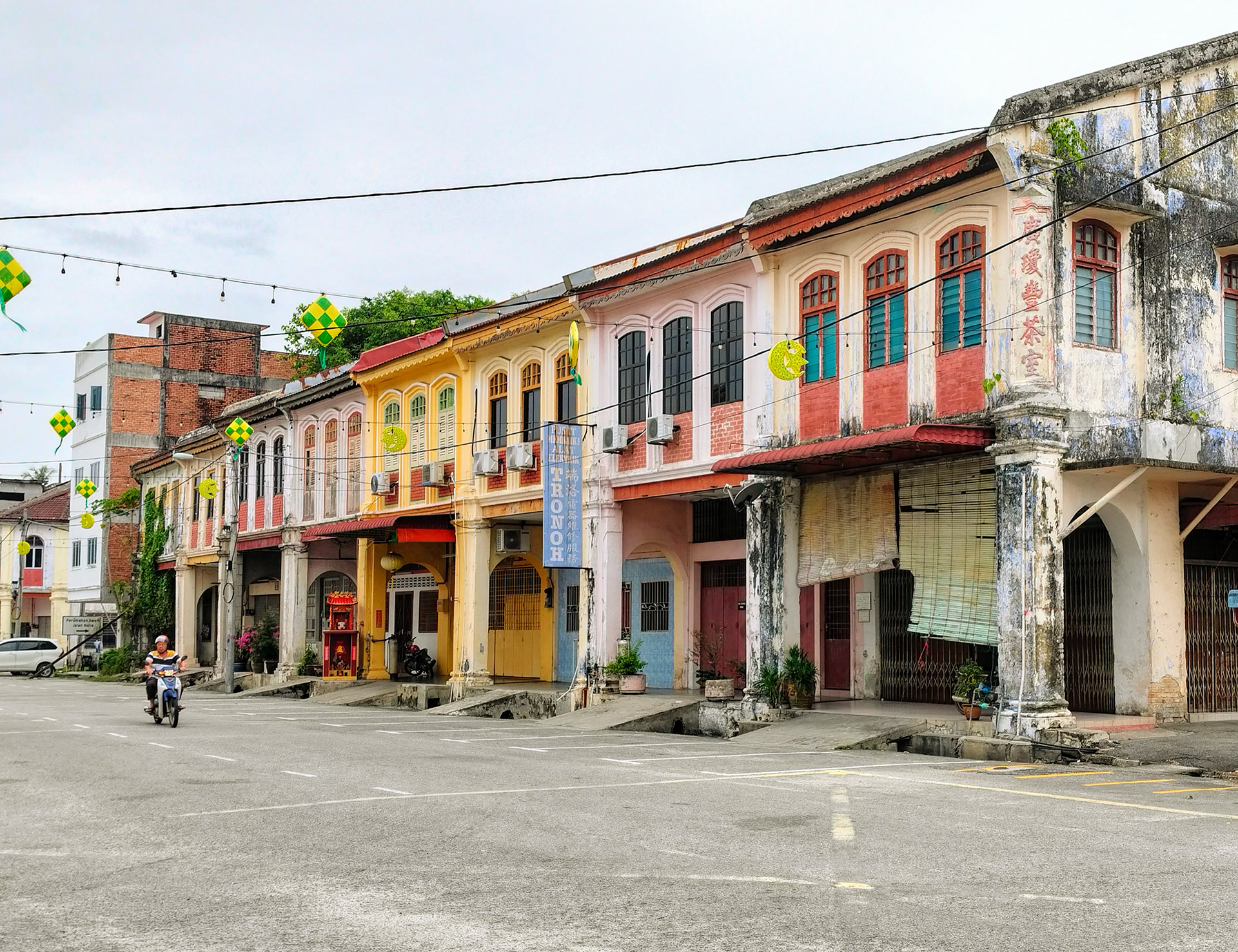
In the early 20th century, Tronoh was at the heart of the tin-mining boom, with prominent mines such as Teronoh South Ltd., Tronoh Extended Ltd., and Chung Thye Phin's Phin Tak Mine driving its growth. The establishment of Foo Choo Choon's Tronoh Mines Ltd. between 1912 and 1921 further cemented its status as a major town. A railway line linking Tronoh to Ipoh, completed in 1909, facilitated the transportation of tin ore, a lifeline for the industry. However, the tracks were dismantled by the Japanese during World War II, and the line was never restored. With the post-war decline of the tin industry, Tronoh's importance faded, and the town slowly receded into quiet obscurity.
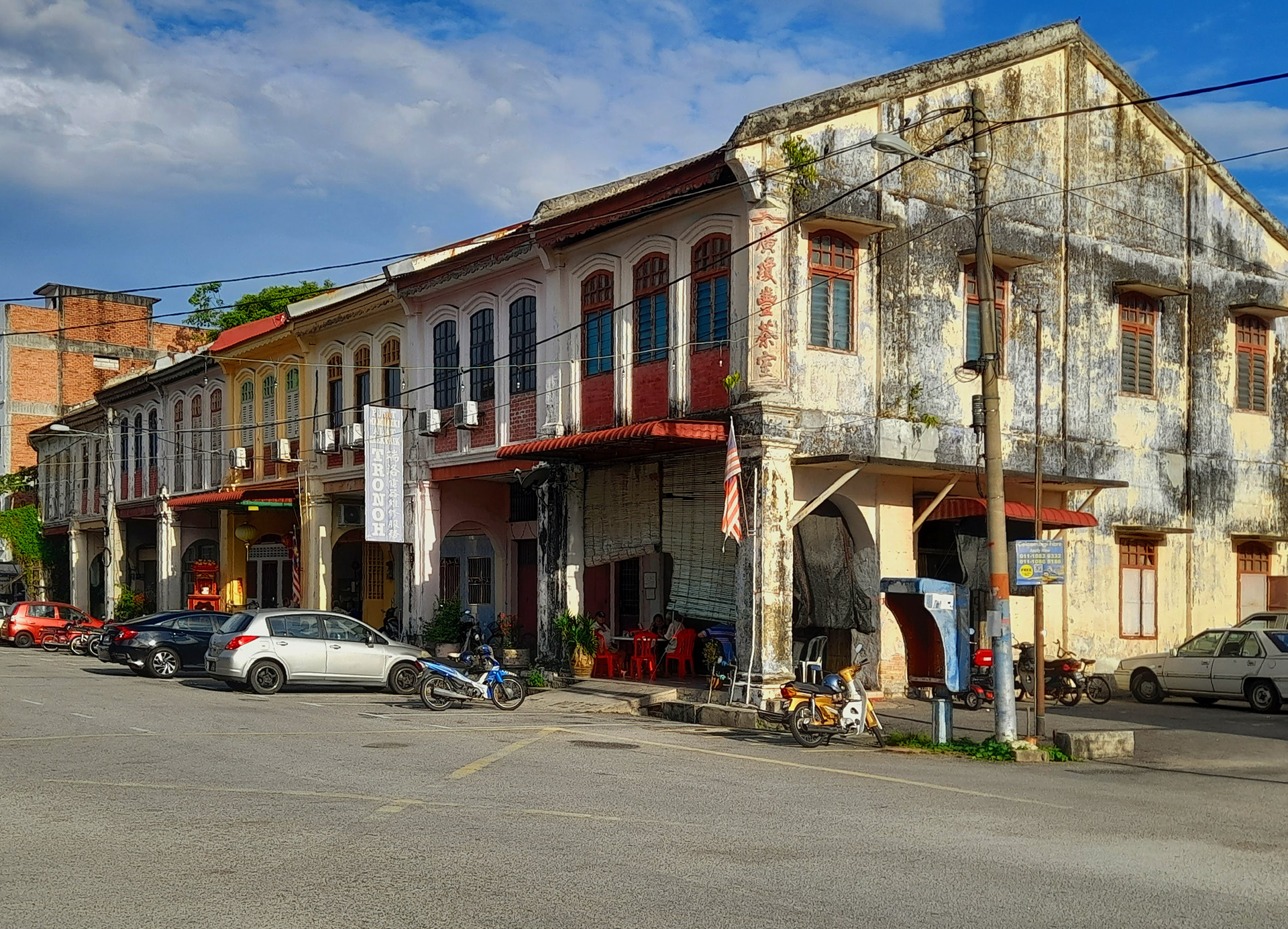
Once, Tronoh and the Kinta Valley stood as a beacon of industry, its name carried far beyond the winding roads and quiet rivers of Perak. It was a town that hummed with purpose, where the clang of pickaxes against the earth was a song of prosperity, and where fortunes were drawn from the depths of the land like silver veins feeding the ambitions of empires. Men arrived in search of wealth, hands roughened by toil, hearts set on a future shaped by the promise of tin. For a time, Tronoh shone—a jewel in Malaya’s tin mining crown, its earth heavy with riches, its people bound by a shared pursuit.
But time is an unyielding force, indifferent to the rise and fall of human enterprise. The great mines that once defined this town grew silent, their depths exhausted, their purpose spent. The industry that had filled its streets with movement and urgency faded like a receding tide, leaving behind not desolation, but something quieter, something gentler. Tronoh, once a place of ambition, has become a place of reflection—a town no longer striving to carve itself into history, but content to rest within it.
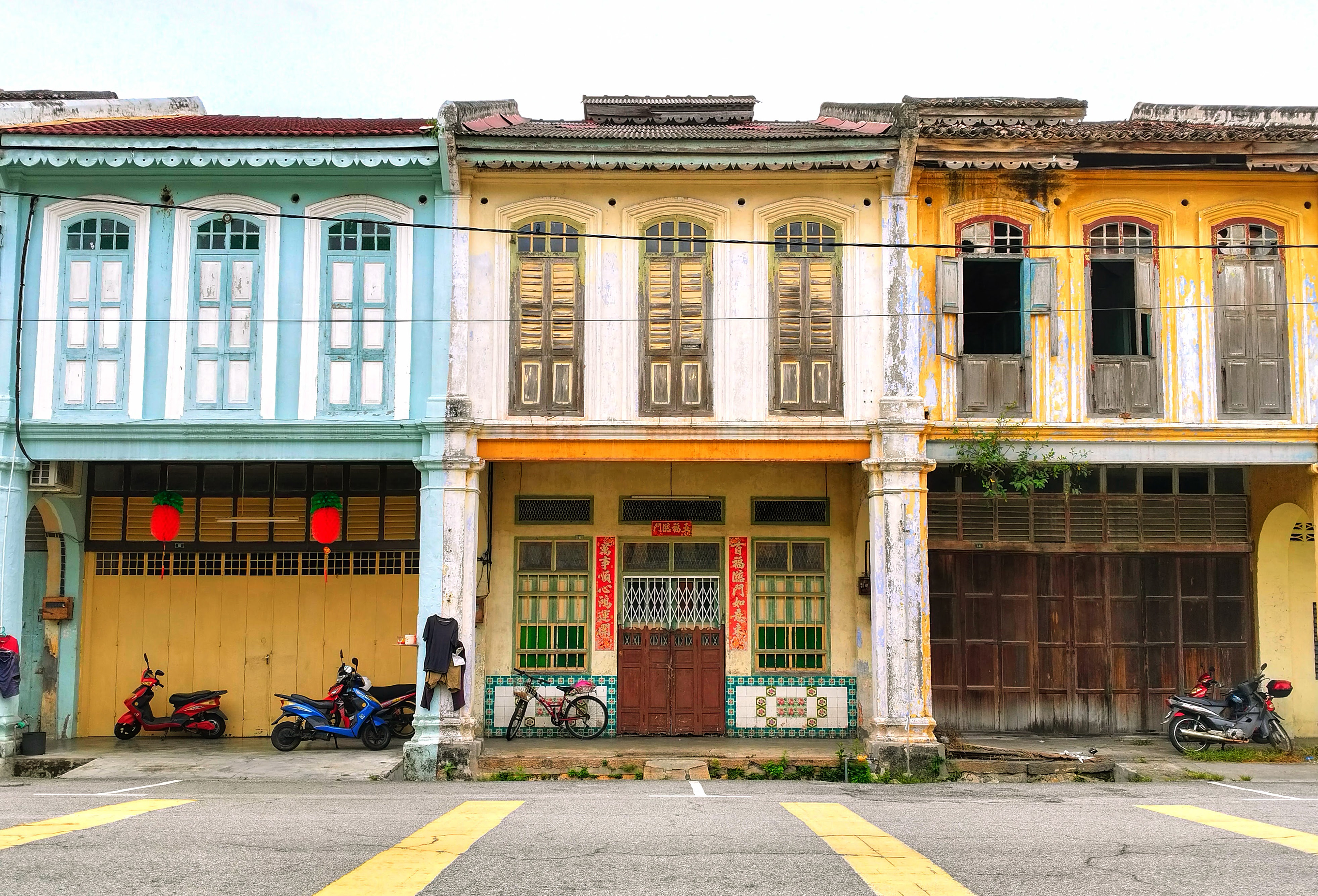
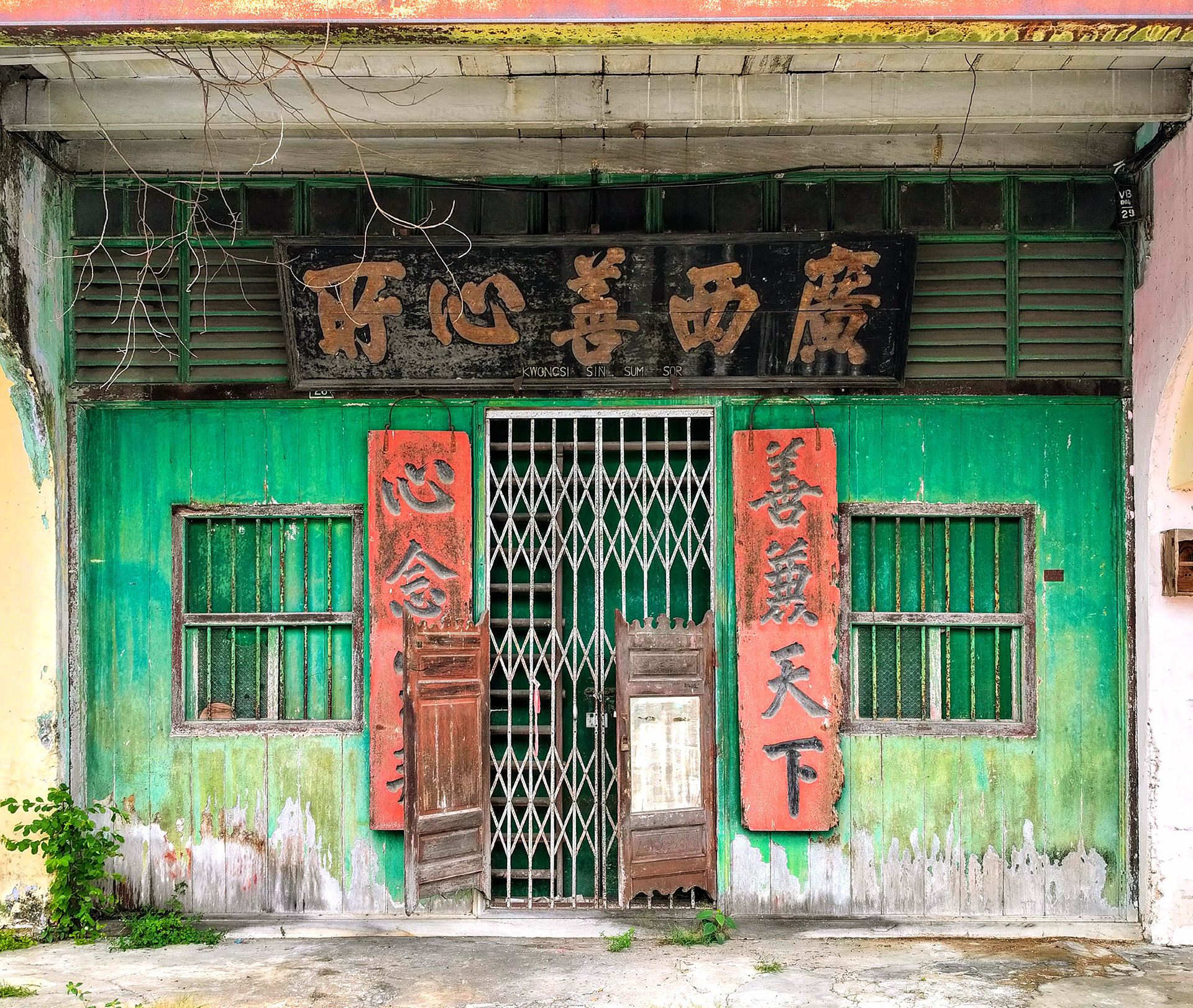
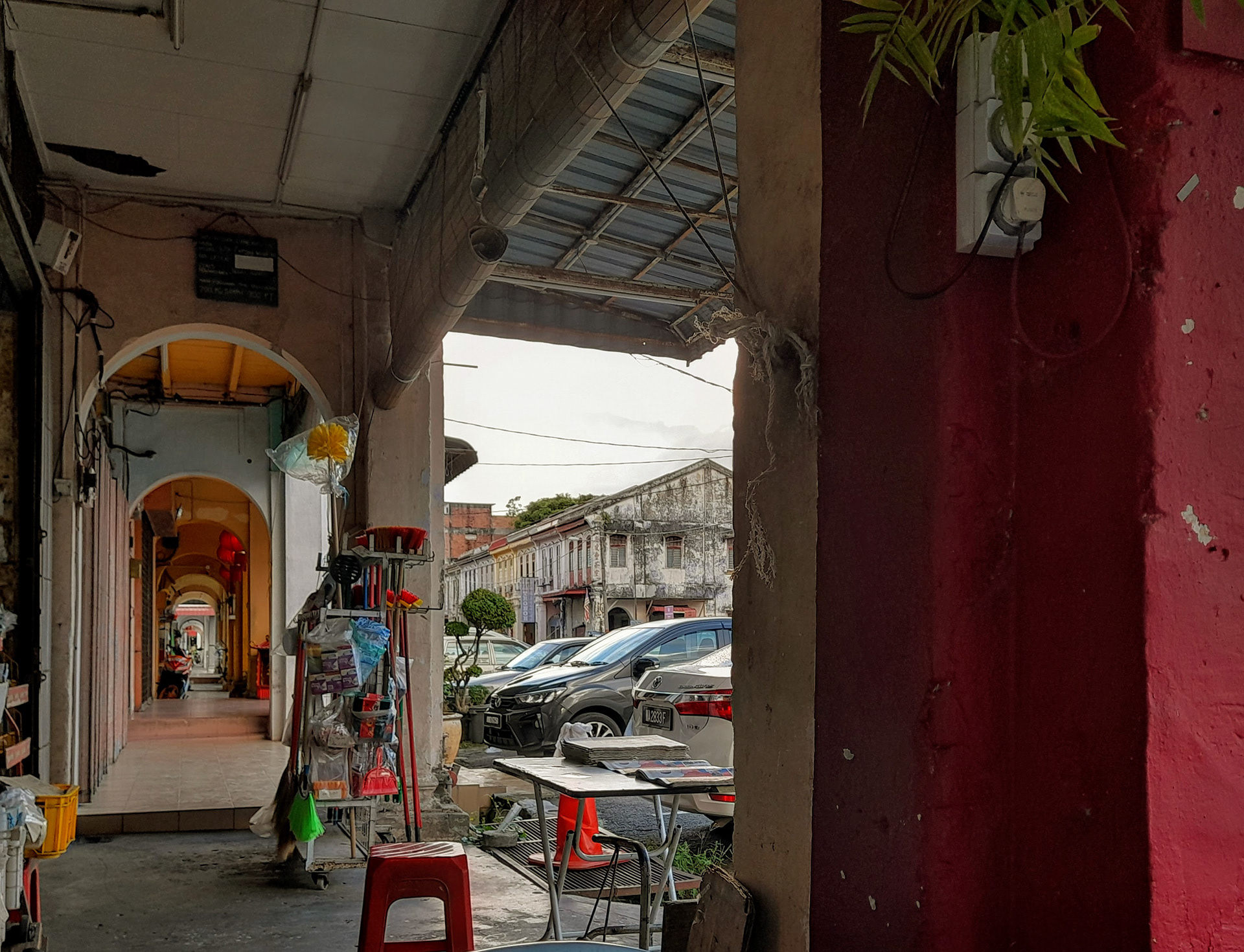
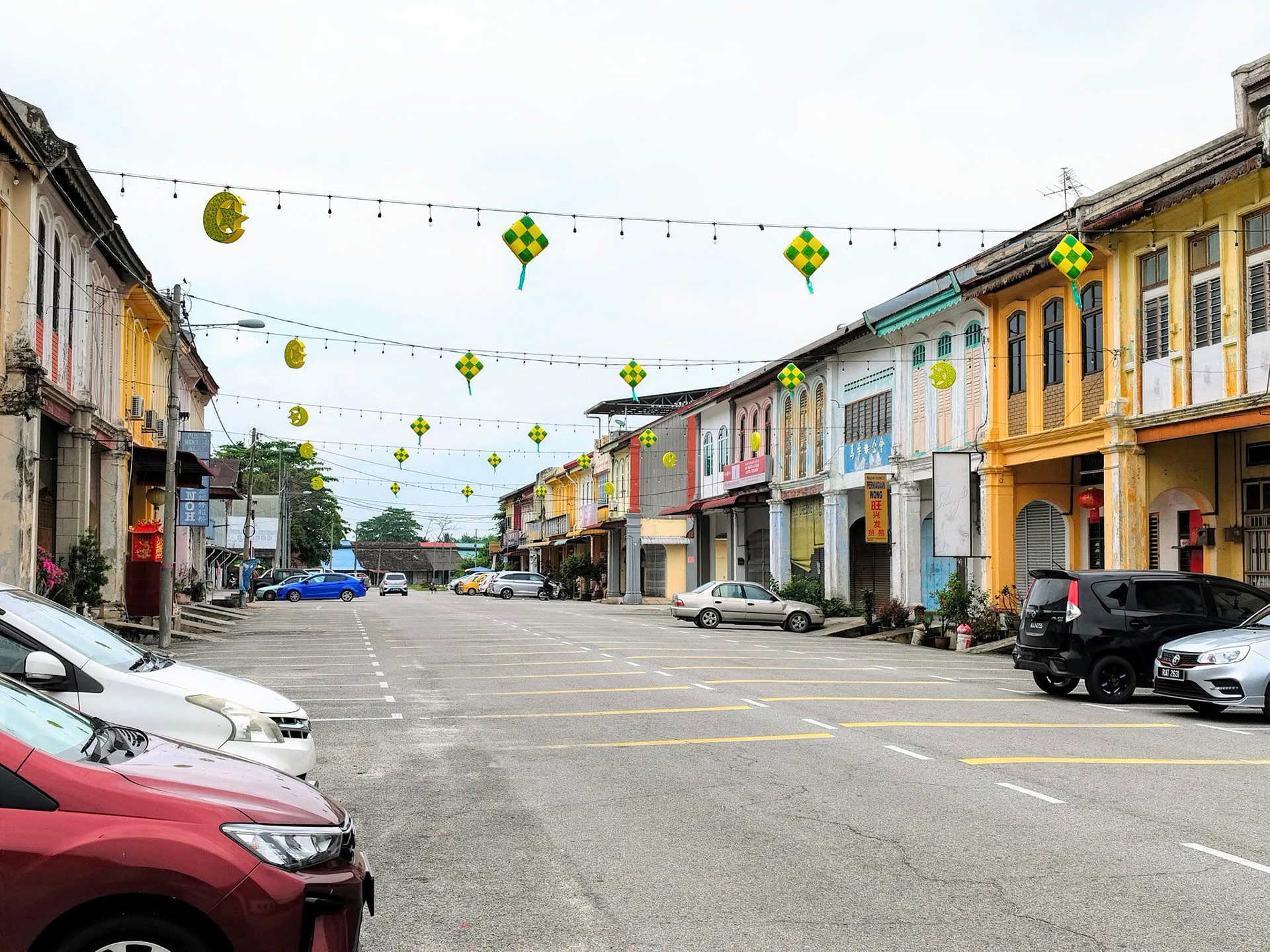
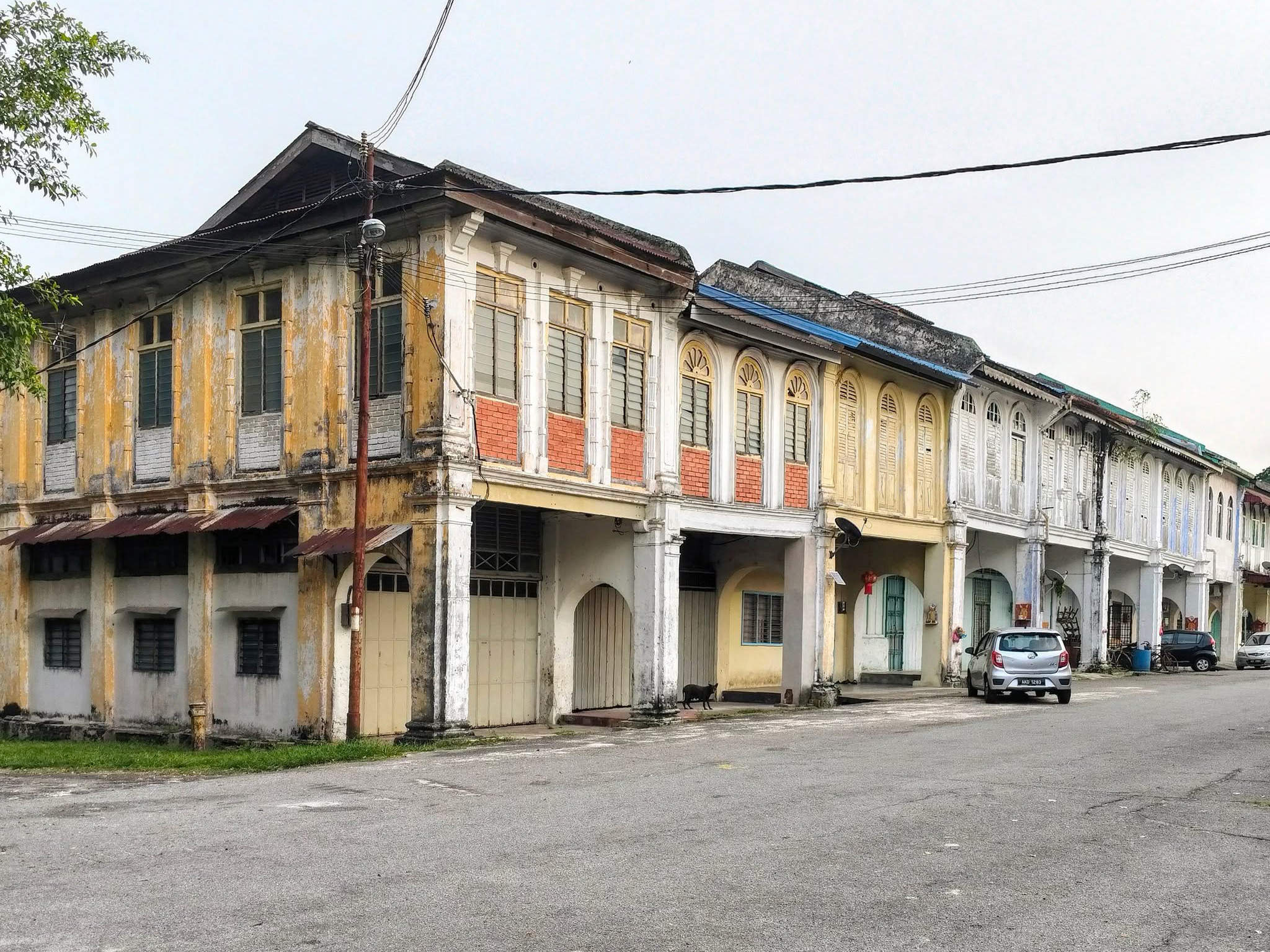
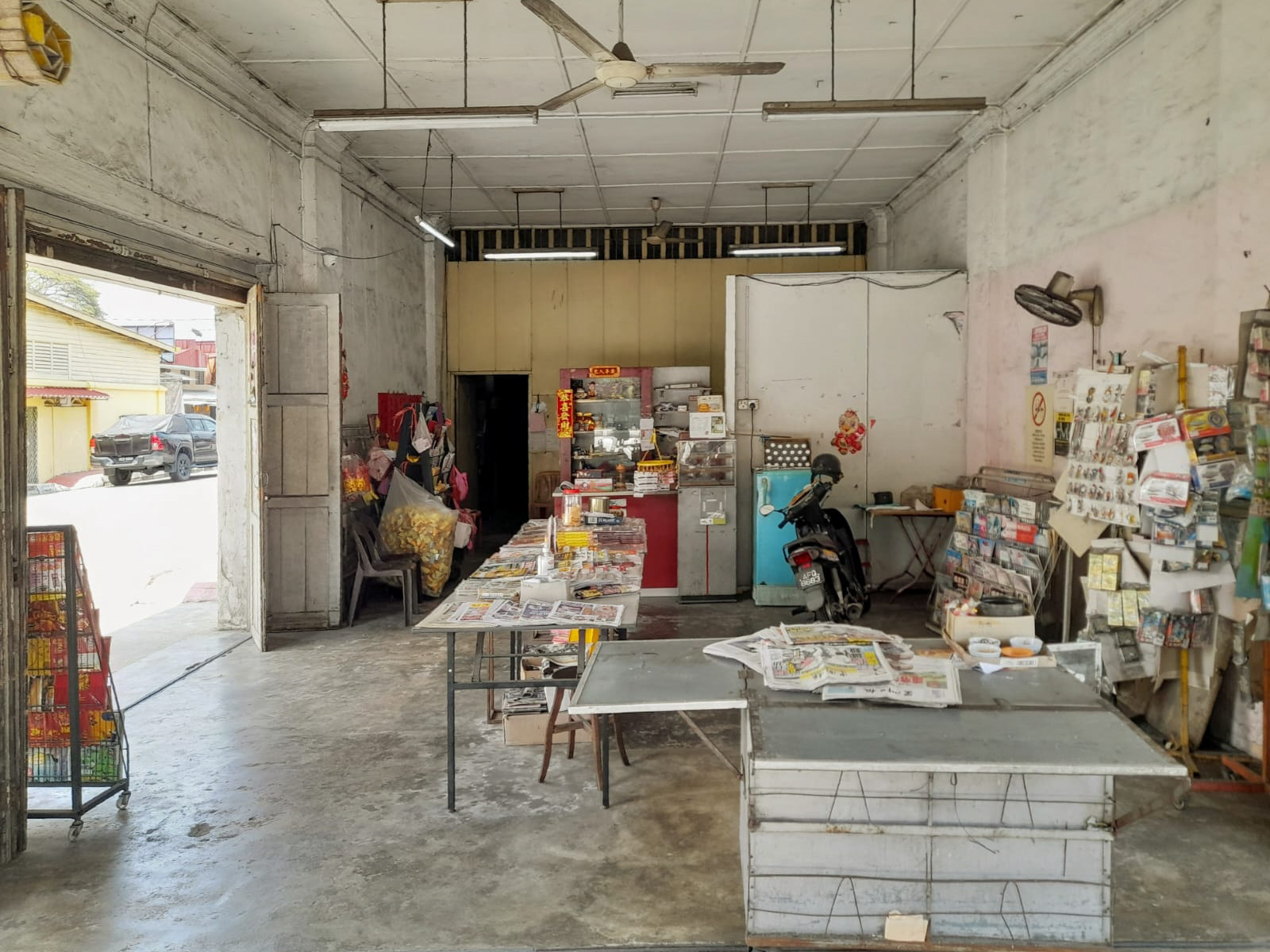
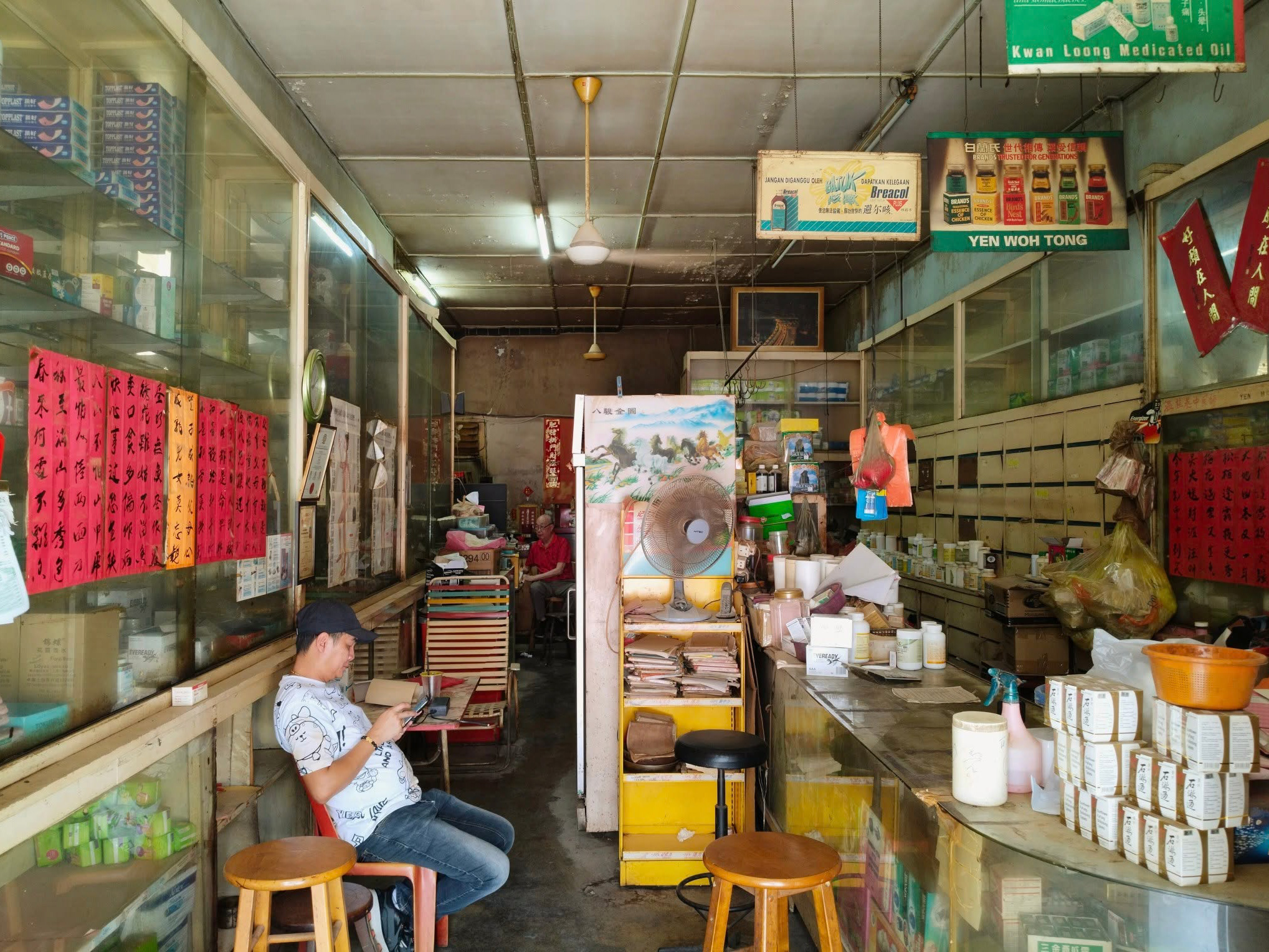
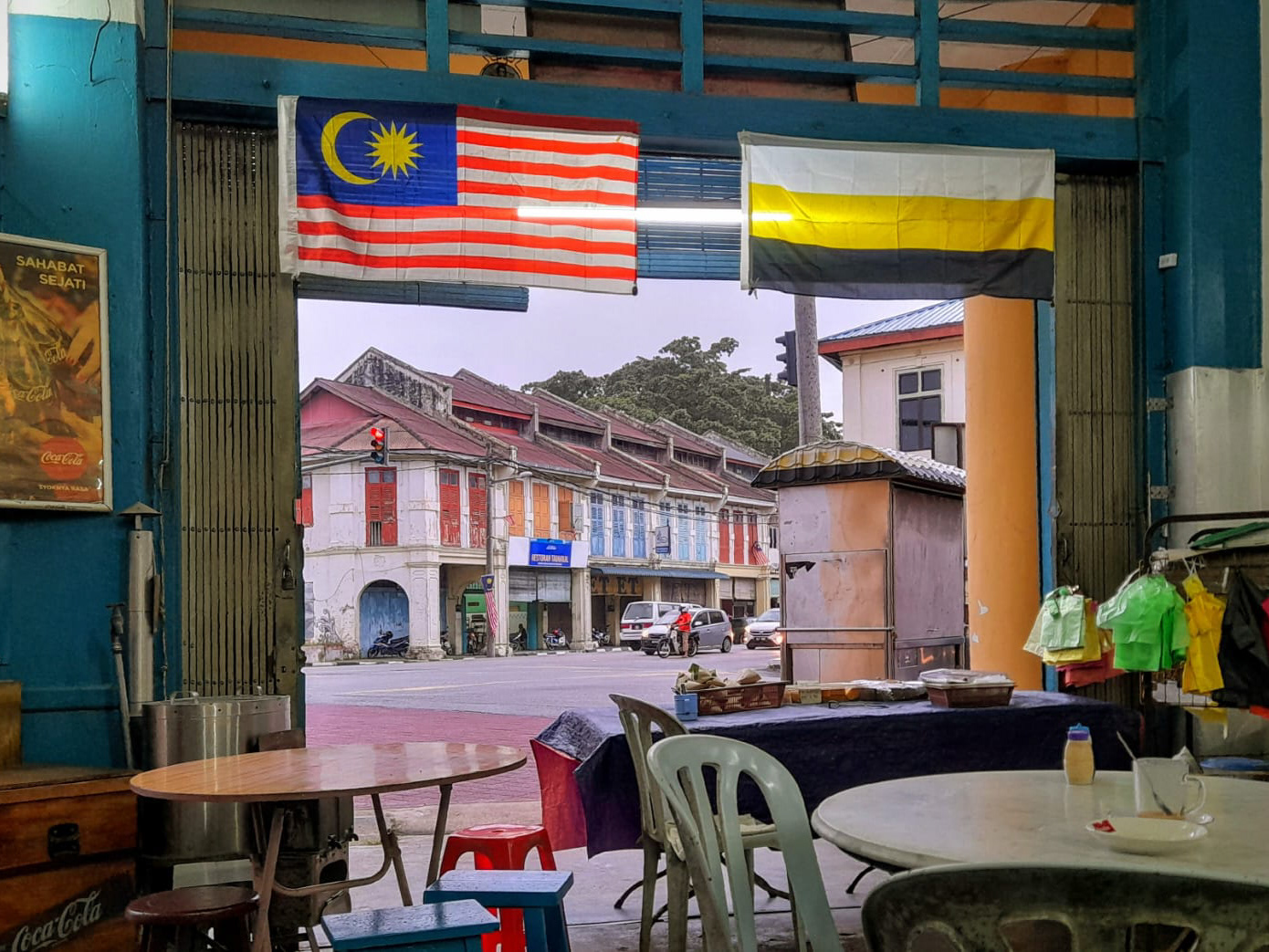
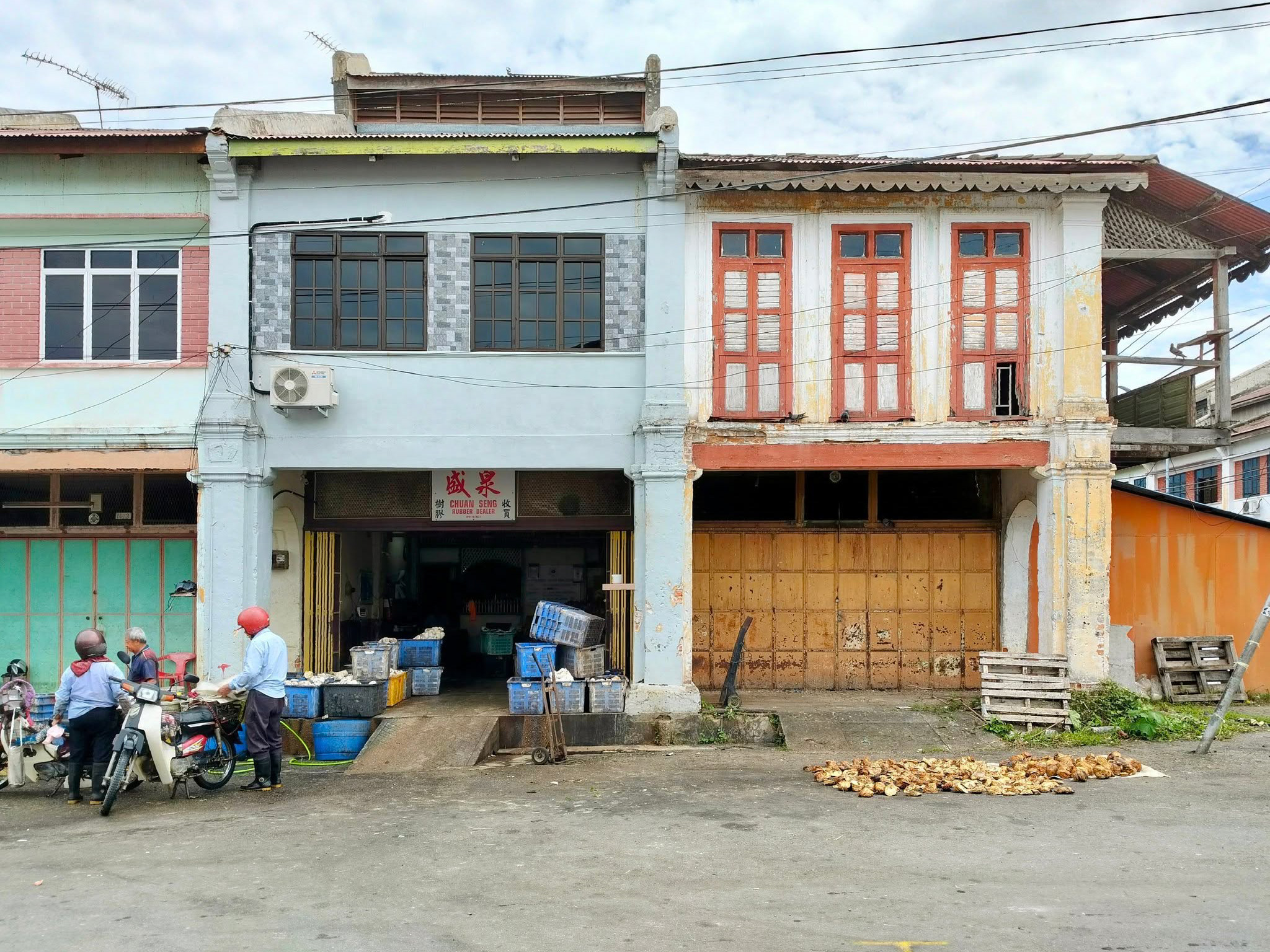
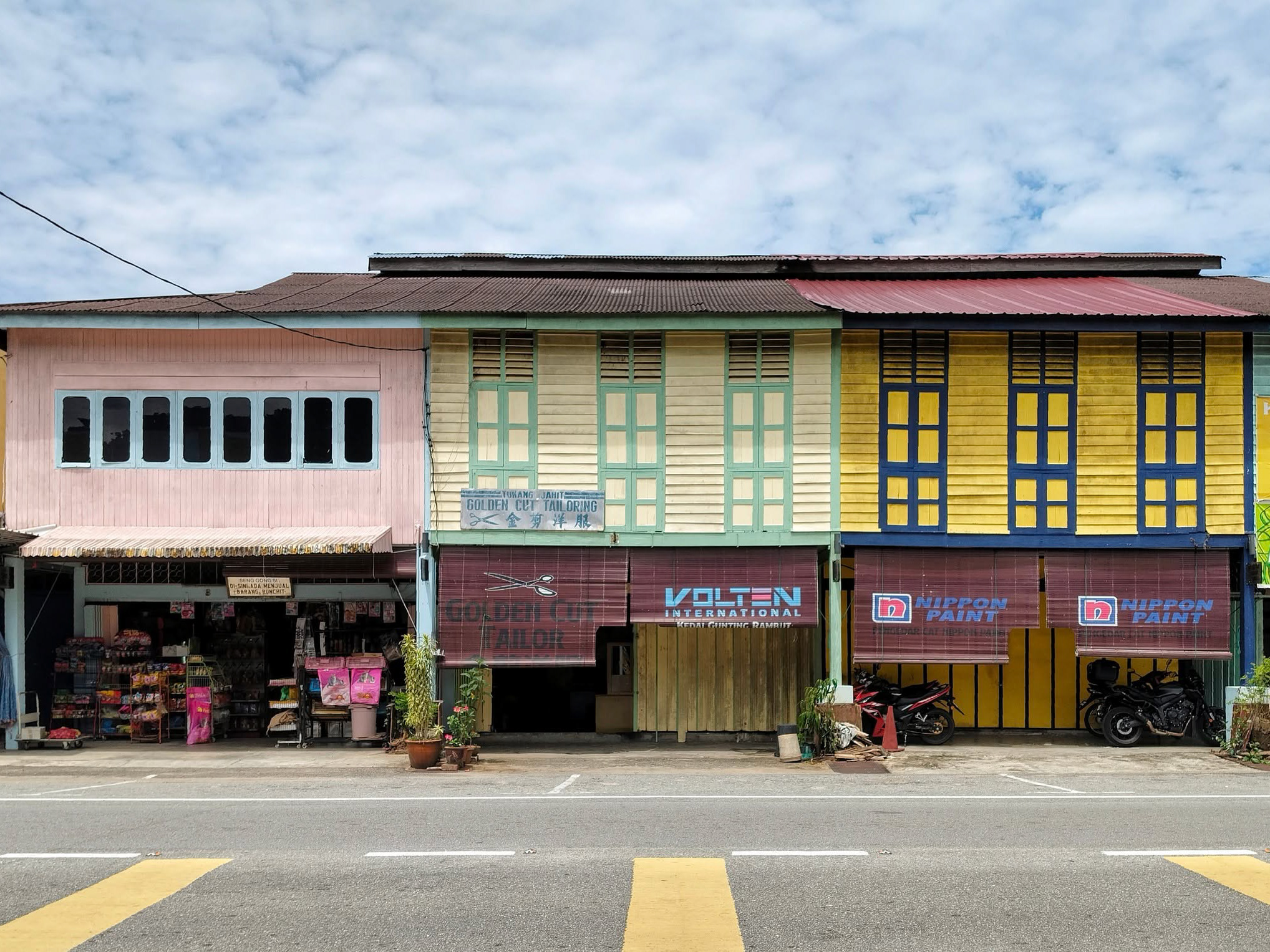
And yet, this quietude is not emptiness. There is a richness to be found in the softened edges of a place that has been humbled by time. The old shophouses, their paint worn and their shutters heavy with age, stand not as relics of a forgotten past but as testaments to endurance. The roads that once carried carts laden with ore now bear only the occasional motorbike, a lone pedestrian, a slow-moving car. The silence here is not the silence of neglect but of contentment, the kind that belongs to a town that no longer needs to prove itself.
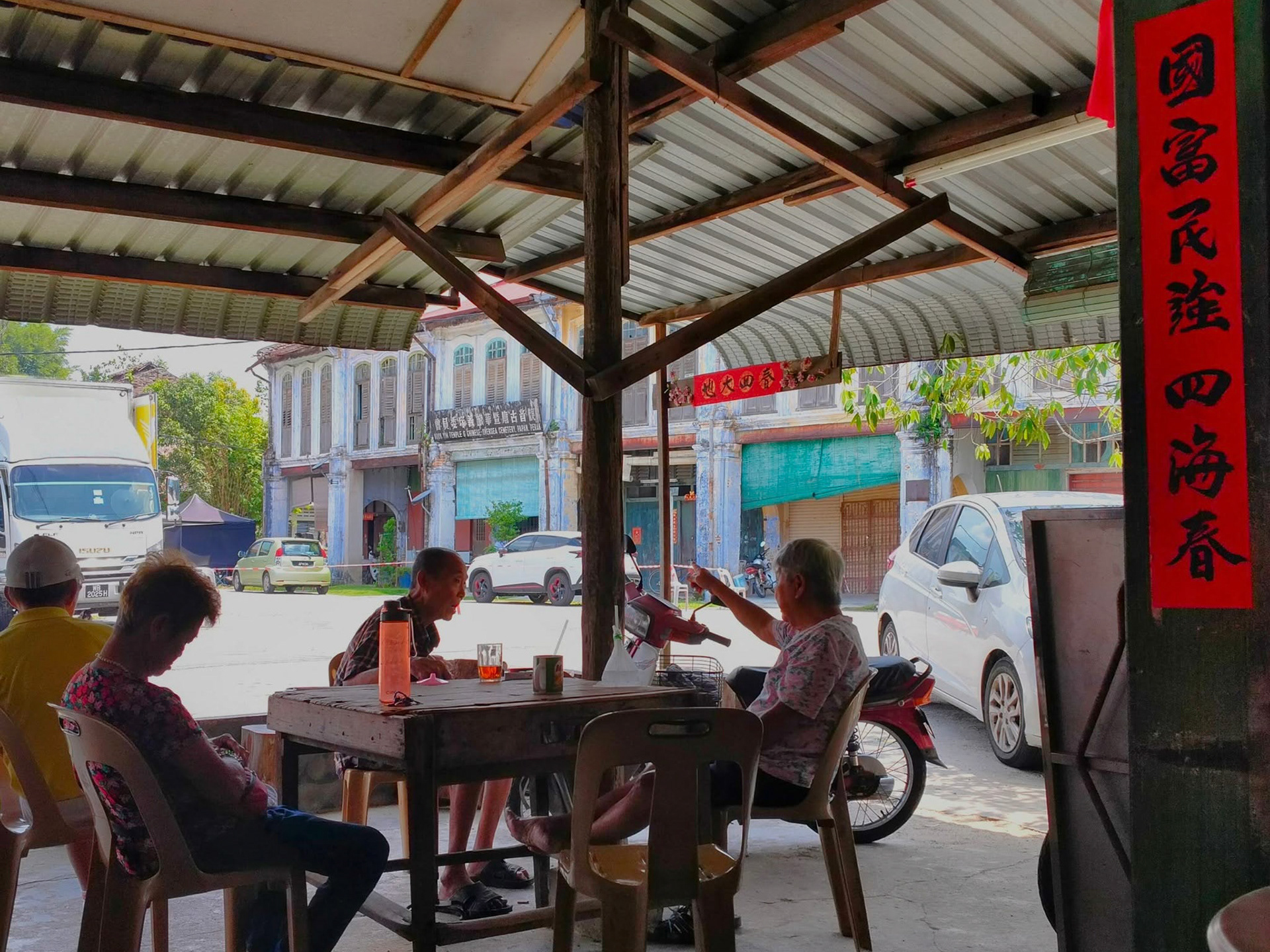
As Hari Raya approaches, the streets are adorned with ketupat decorations, their woven forms swaying in the warm breeze. The people of Tronoh—Malay, Chinese, and Indian—continue in quiet harmony, their lives intertwined like the woven leaves of the ketupat. There is no urgency in their coexistence, no grand declarations of unity, only the simple, unspoken understanding that life is better when shared.
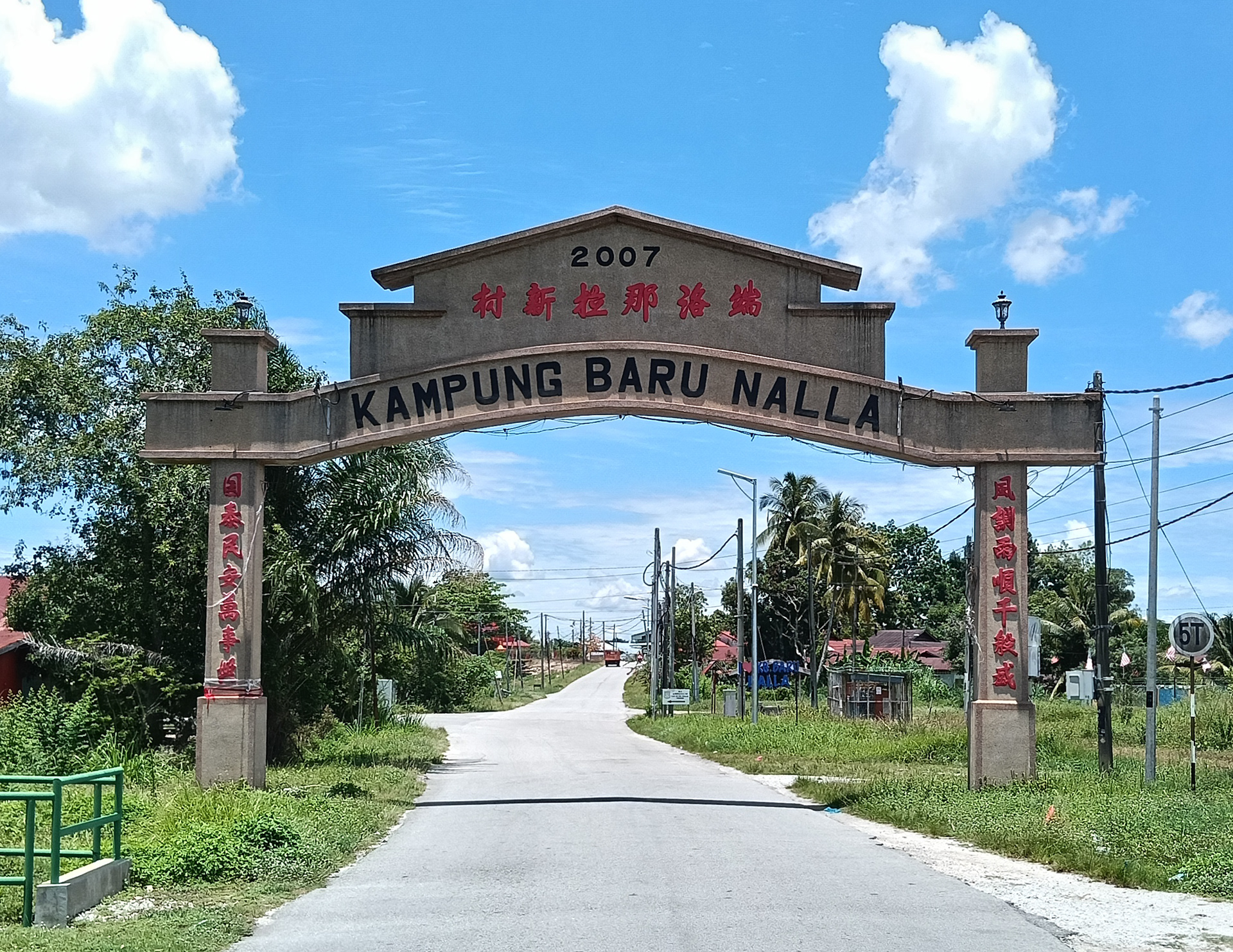
A visitor stepping into Kampung Baru Nalla in Tronoh would be greeted by a gentle rhythm of life that feels both alive and unhurried. The narrow lanes are lined with humble houses, their walls painted in faded pastels, laundry swaying in the breeze like colourful banners. Morning light spills over small gardens where women tend to vegetables and herbs, while the occasional rooster announces the start of another day. Children dart through the alleys, their laughter a lively melody that echoes against rusted tin roofs.
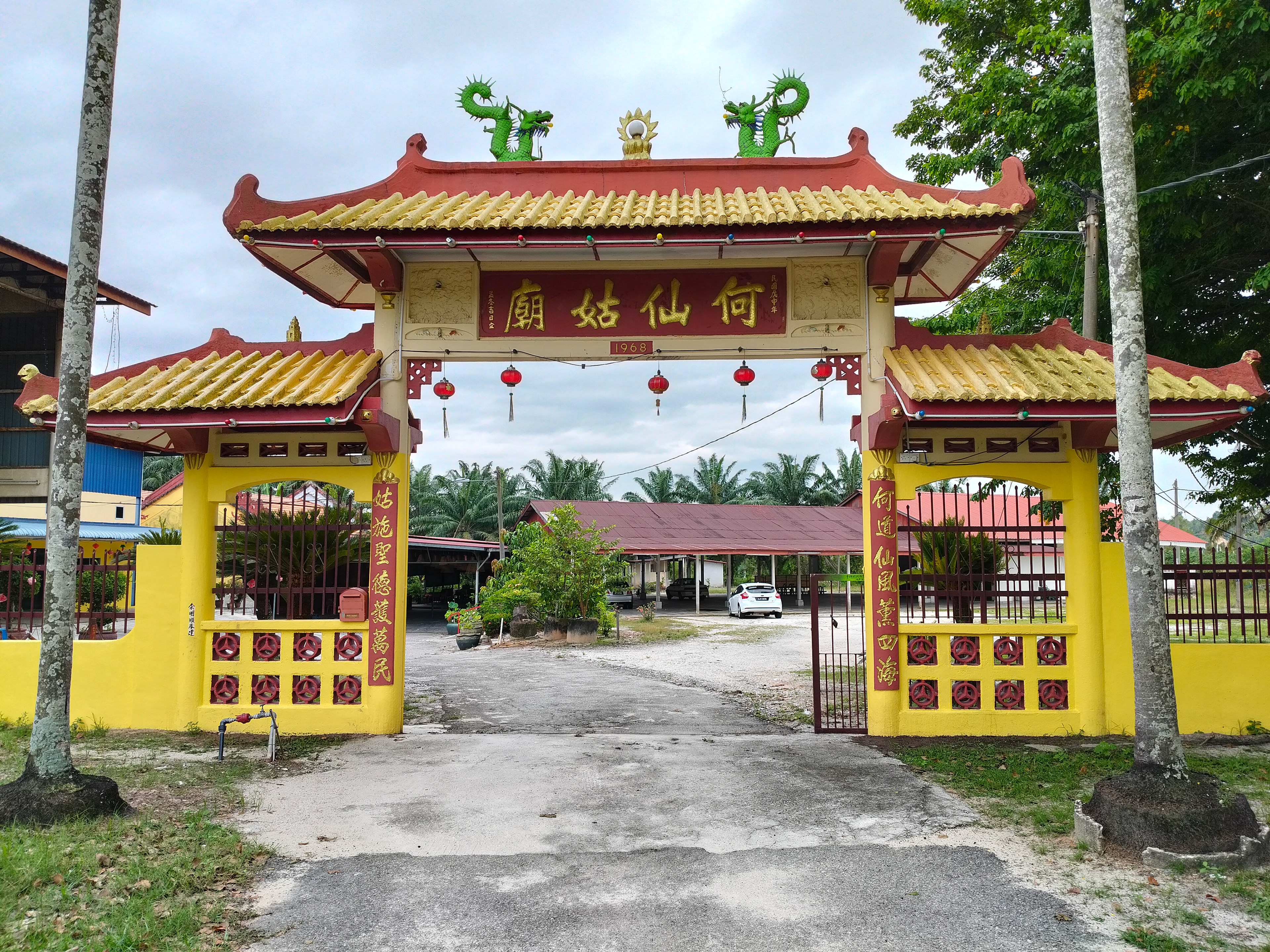
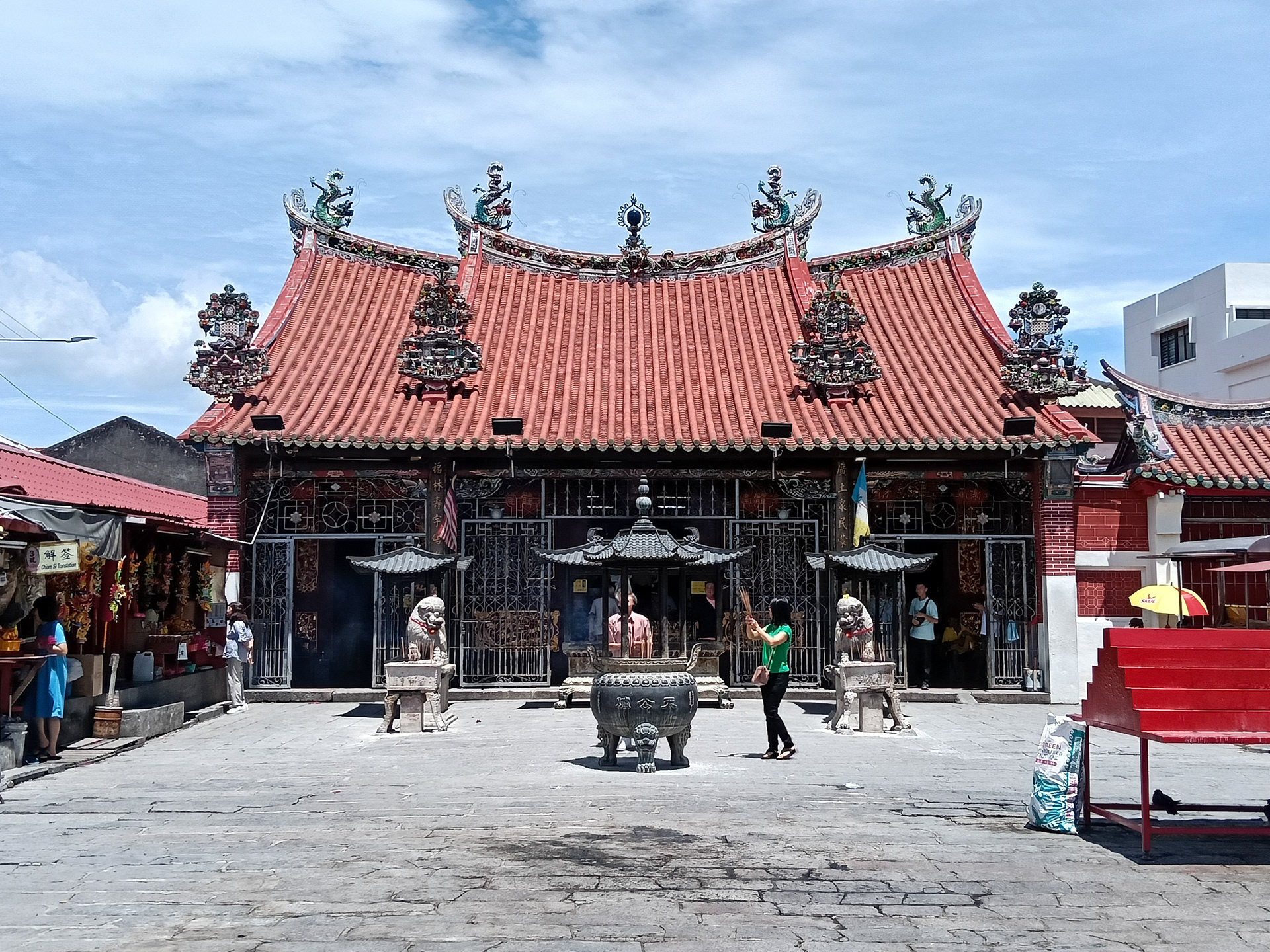
Ho Sin Ku Temple, located in Tronoh, was completed in 1902, and is renowned for its exquisite wooden carvings that adorn its walls, showcasing the craftsmanship of the era. Dedicated to Ho Sin Ku, one of the revered Eight Immortals in Chinese mythology, the temple serves as a place of worship and pilgrimage. Ho Sin Ku is the only female among the Eight Immortals and is often associated with virtues such as compassion and purity. Devotees, particularly childless couples, visit the temple to seek her blessings, believing in her power to grant fertility and fulfill wishes.
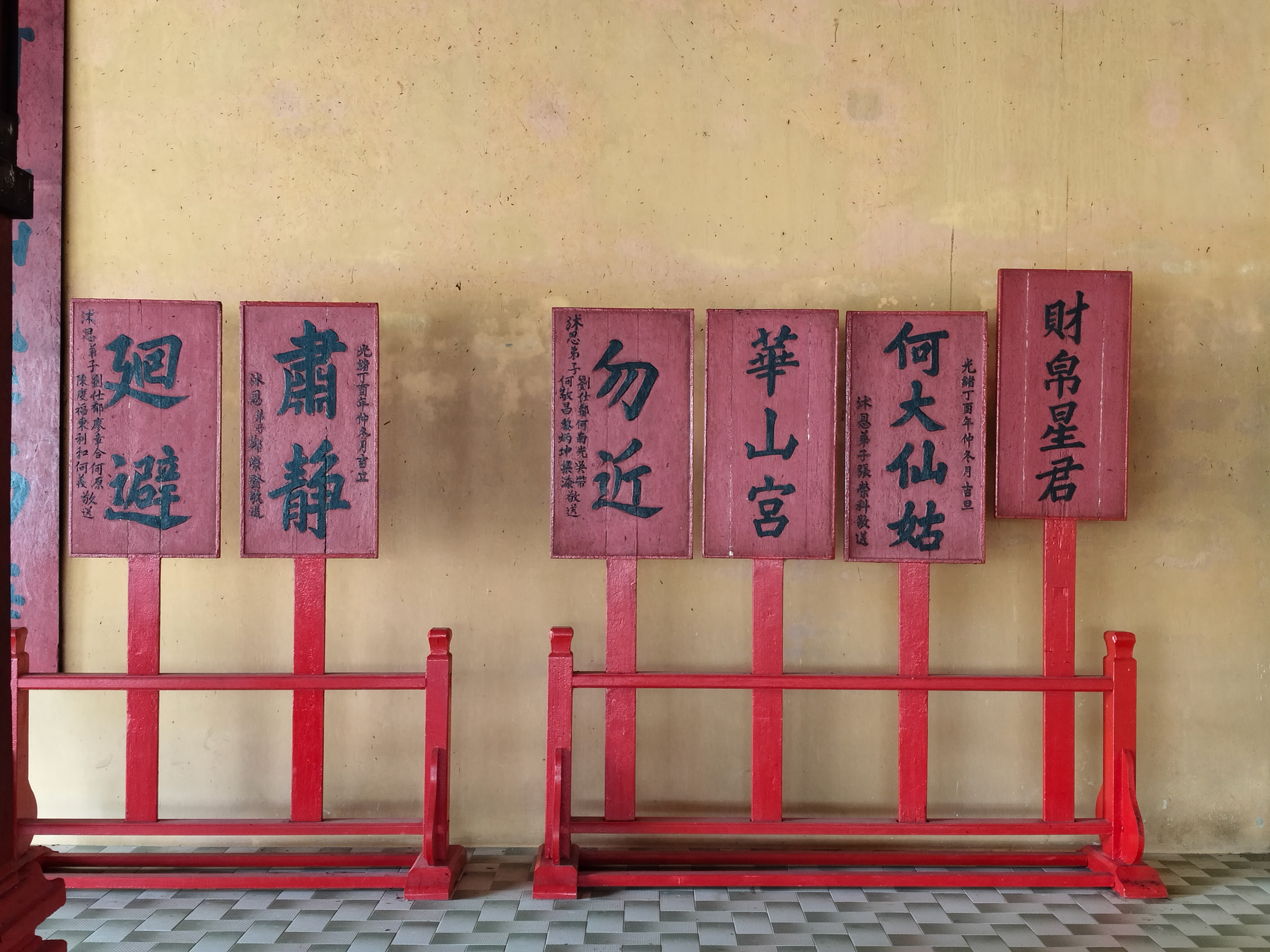
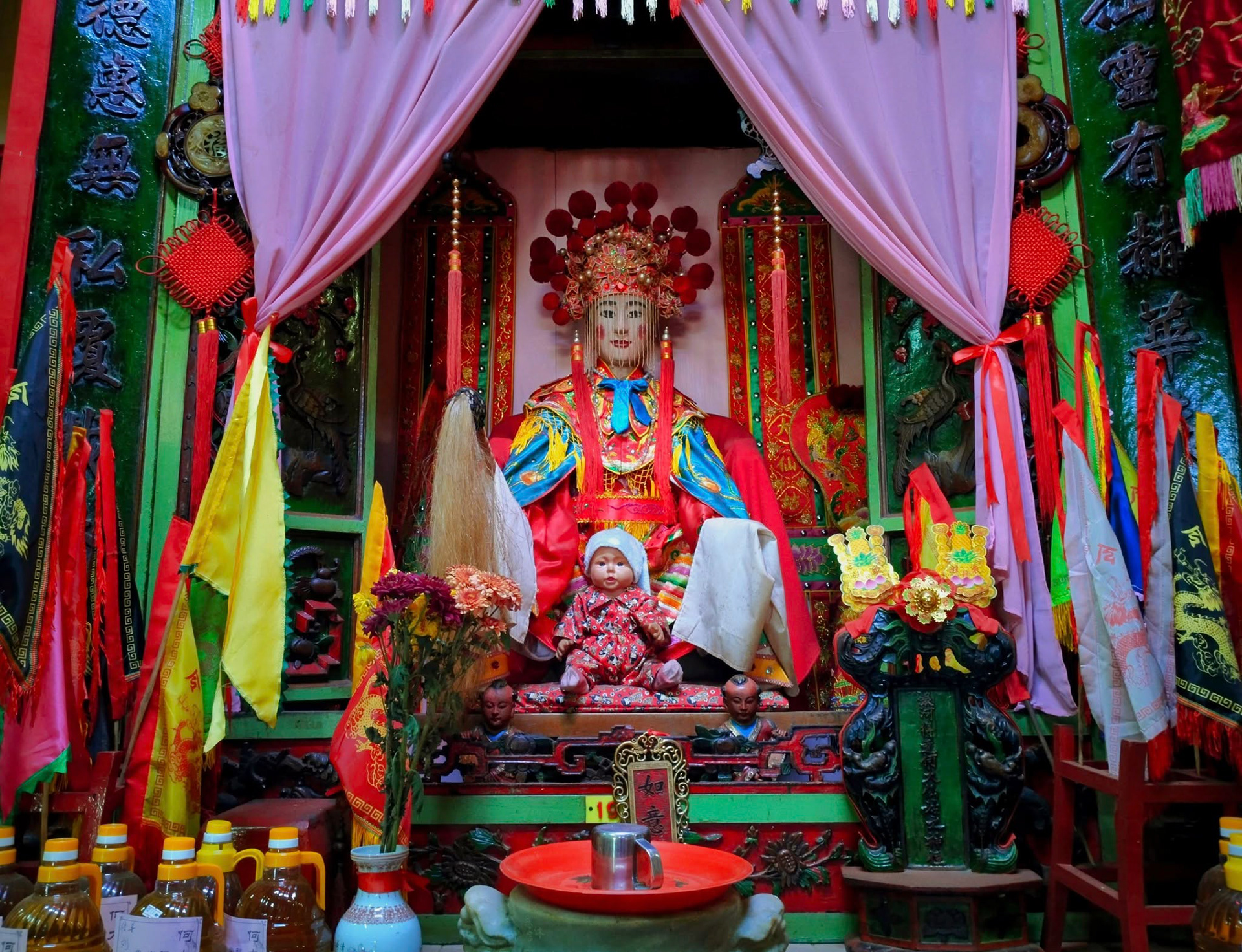
Built to serve the spiritual needs of the Chinese tin miners, the temple remains a place of reverence and celebration. Dedicated to Ho Sin Ku, one of the revered Eight Immortals in Taoist mythology, the temple exudes a tranquil aura. Ho Sin Ku, a divine figure symbolizing purity and transcendence, is depicted with baby figurines, representing her eternal beauty. Her story inspires devotees seeking inner peace and a life free from worldly attachments. The temple’s atmosphere reflects her divine essence; the air here is heavy with the soothing aroma of incense that curls upward, merging with the morning mist. Devotees come to pay their respects, lighting joss sticks and offering prayers for health, harmony, and blessings. The quiet reverence of the temple mirrors the town’s slower pace, offering a spiritual respite to those who visit. The temple’s significance extends beyond its walls, especially during the 4th day of the 8th lunar month—Ho Sin Ku’s birthday. On this auspicious day, the temple transforms into a lively cultural centre; traditional Cantonese opera is performed in her honour, accompanied by the melodic strains of instruments like the erhu, gaohu, and yangqin.