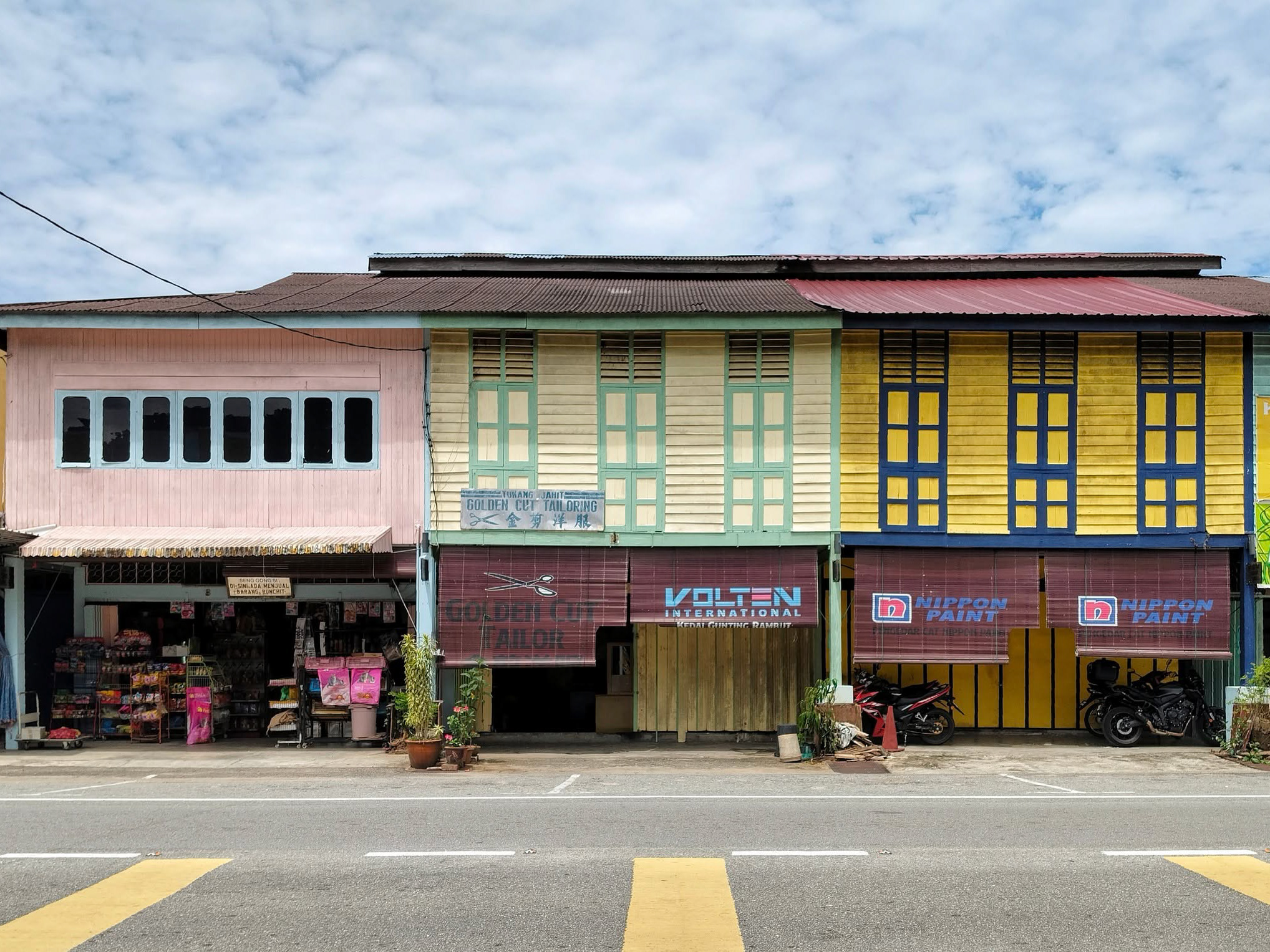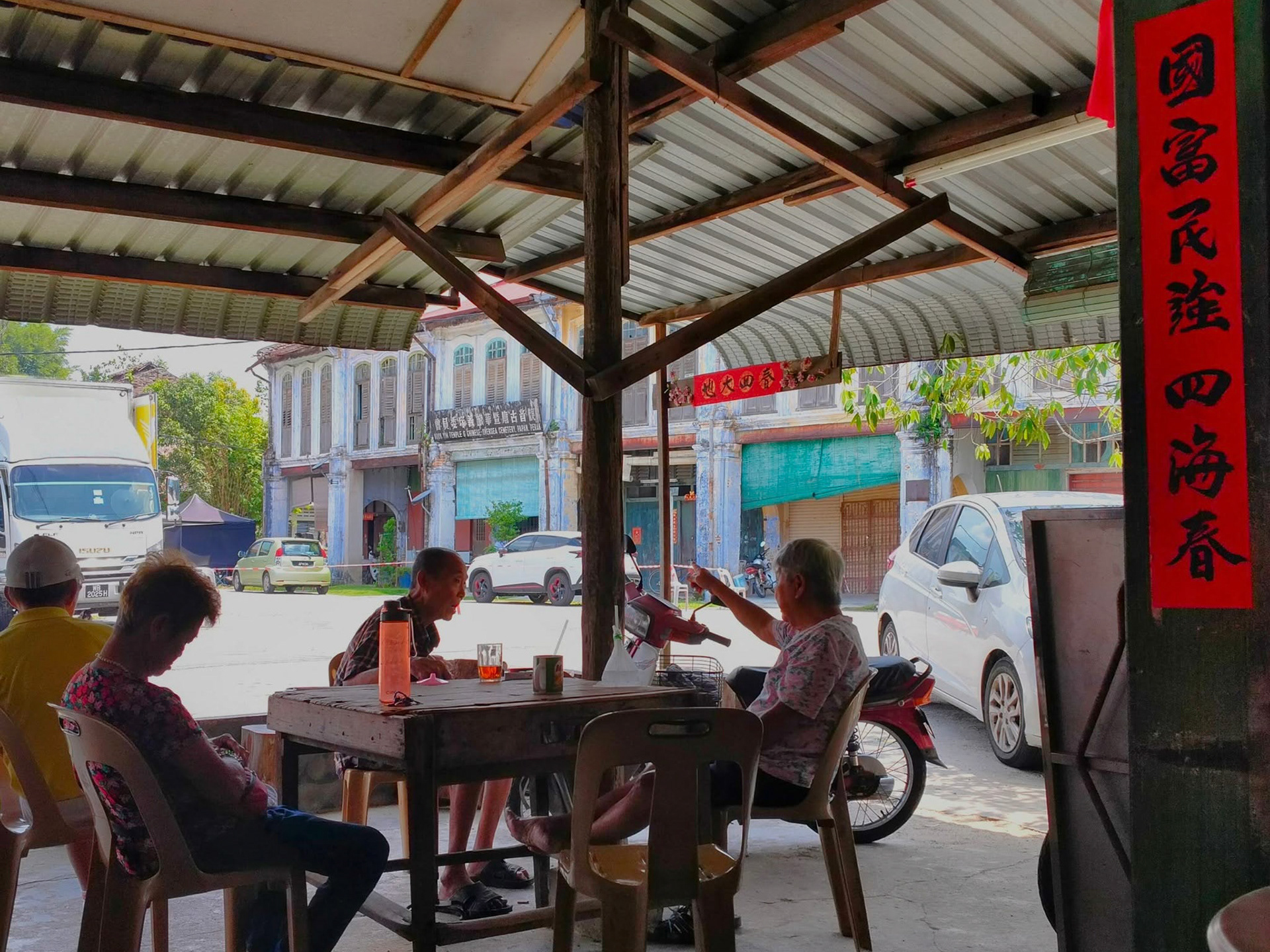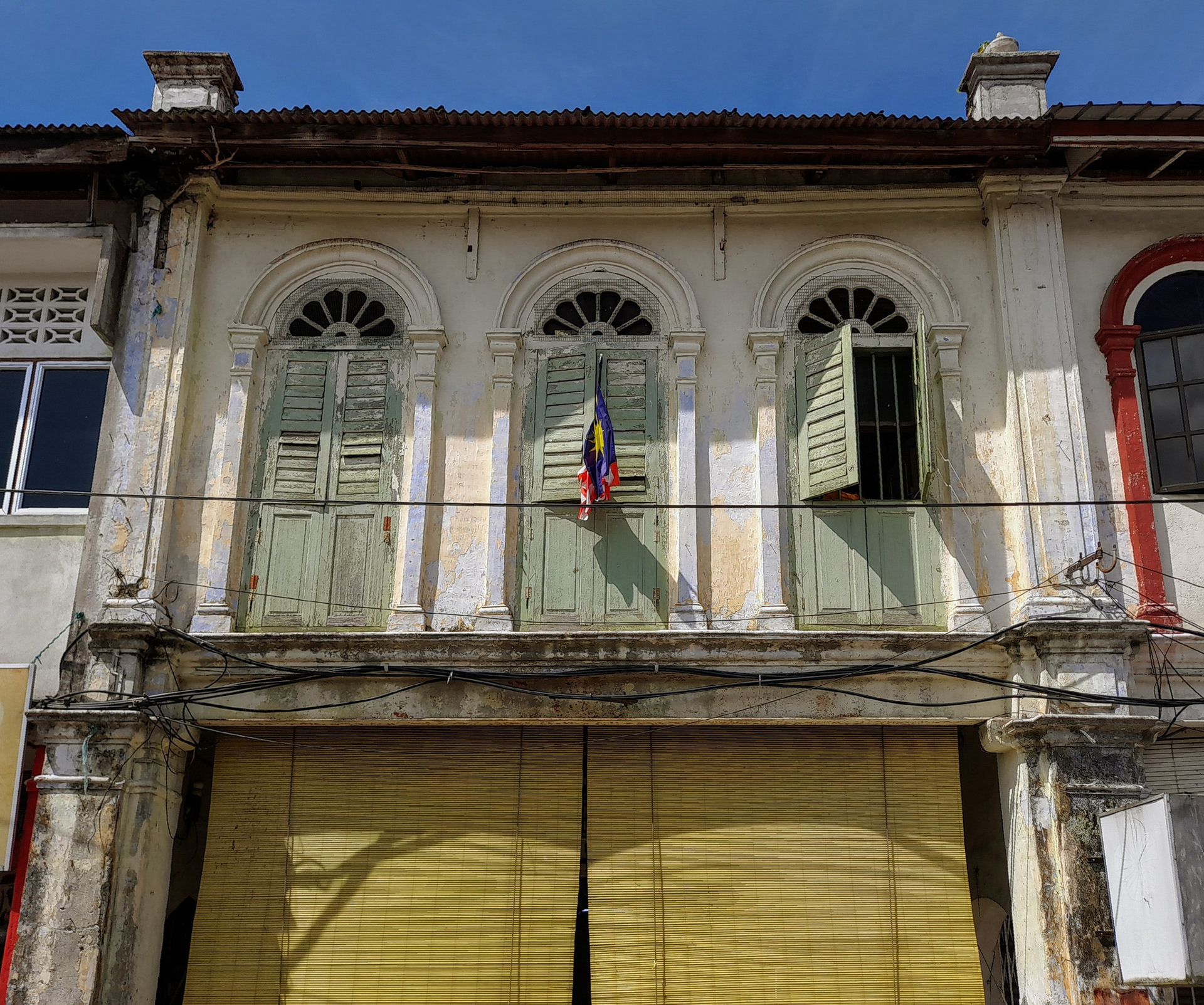
I started my journey in Chenderiang. To the Malay villagers, Chenderiang evokes images of lush jungle trails where bunga cantik (beautiful flowers) once bloomed wild along the clear riverbanks. They say the early settlers, captivated by the natural elegance of the place, combined “cantik” with a flowing suffix “-riang”—which means cheerful or joyful. Some say it was once called “Cantik Riang” before evolving into “Chenderiang,” like how water smooths stone over time.
But among the Chinese villagers, many of whom came from Guangdong during the tin rush, the name held another layer. They heard “Chenderiang” and felt echoes of the word 靓, meaning bright or shining. To them, this place was a land of light, of promise. A place where the rain-washed hills gleamed, and the dreams of miners and merchants alike shimmered like tin ore beneath the soil.
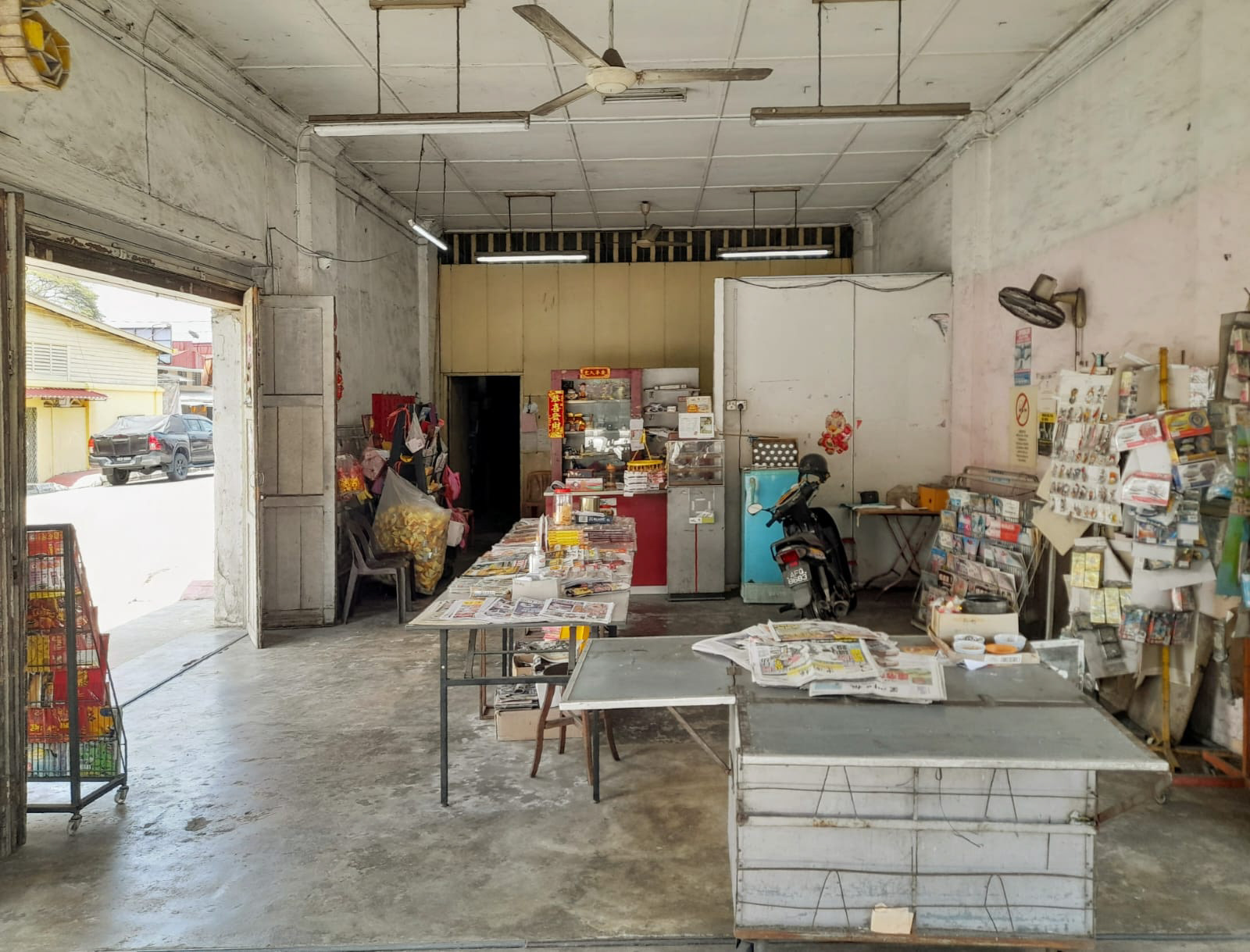
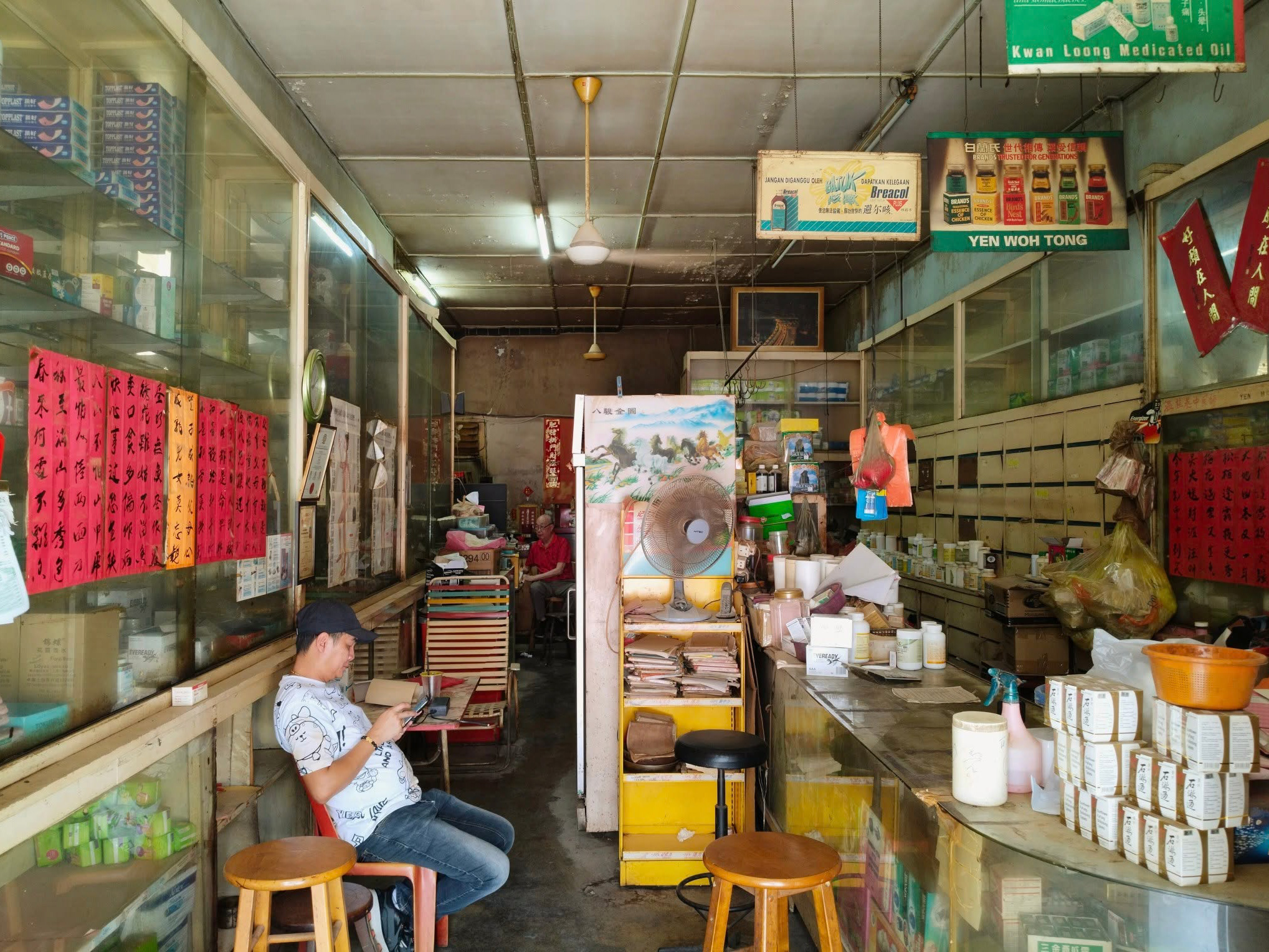
In the heat of Bidor’s midday sun, I wandered into a shop that felt like a time capsule, a place where the old Malayan world still lingers in paper, ink, and dust. From the outside, it looked like nothing more than a weathered shophouse with peeling paint and a half-open wooden door. But stepping in, I found myself surrounded by an entire universe of Chinese magazines from decades long gone: glossy covers of film stars, Cantonese serials, household tips from another era, calendars yellowed at the edges, and comics whose colours have softened with age.
The air was still, thick with the scent of old paper and incense that had long seeped into the walls. A fan creaked overhead, spinning slowly as though unwilling to disturb the quiet. Metal racks leaned slightly under the weight of nostalgia — children’s storybooks from the 70s and 80s, stacks of newspapers, red plastic baskets filled with lucky charms, and those unmistakable wrapped peanut candies every small town once sold.
What struck me most was how untouched everything felt, as though time itself had politely stepped aside and let this little shop continue as it always had. No modern shelving, no digital screens, no curated vintage aesthetic, just the honest clutter of a life’s work. A treasure trove for anyone who grew up flipping through these magazines, and a quiet marvel for travellers like me, stumbling into Bidor by public bus and discovering that the past is still here, waiting in the humblest corners.
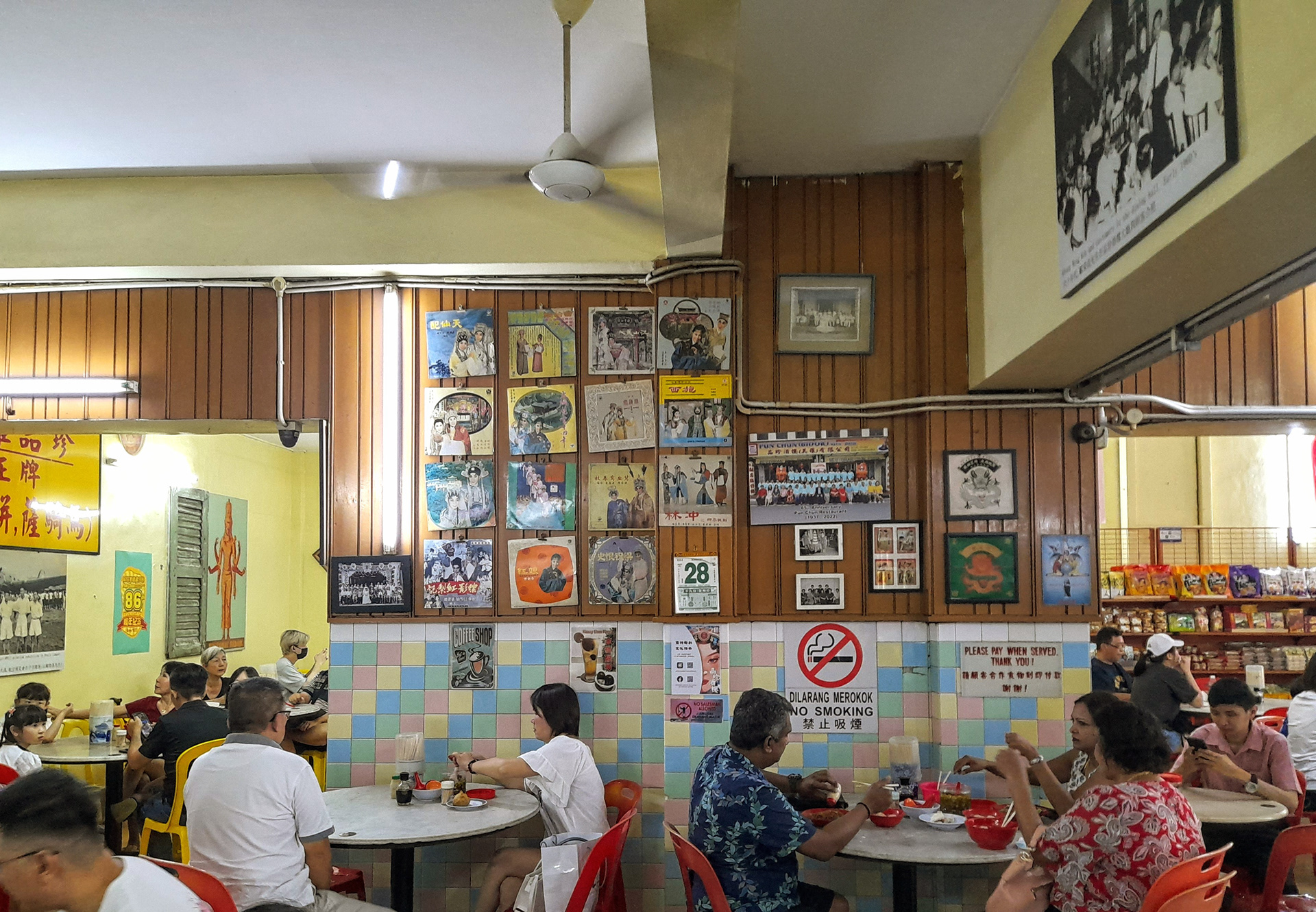
The first thing that caught my eye were the tiles, those pastel squares of pink, blue, yellow, and mint green, arranged without any modern logic, yet somehow forming a patchwork of memory that you could feel beneath the noise. They reminded me of old school corridors, of kitchens from another era, of homes where simplicity was enough. In this kopitiam, the tiles were not decoration; they were history under the fingertips, quietly holding the decades together.
I arrived by public bus, stepping down into the soft bustle of the town, and it was here, inside this unassuming coffeeshop, that the true soul of Malaya revealed itself to me.
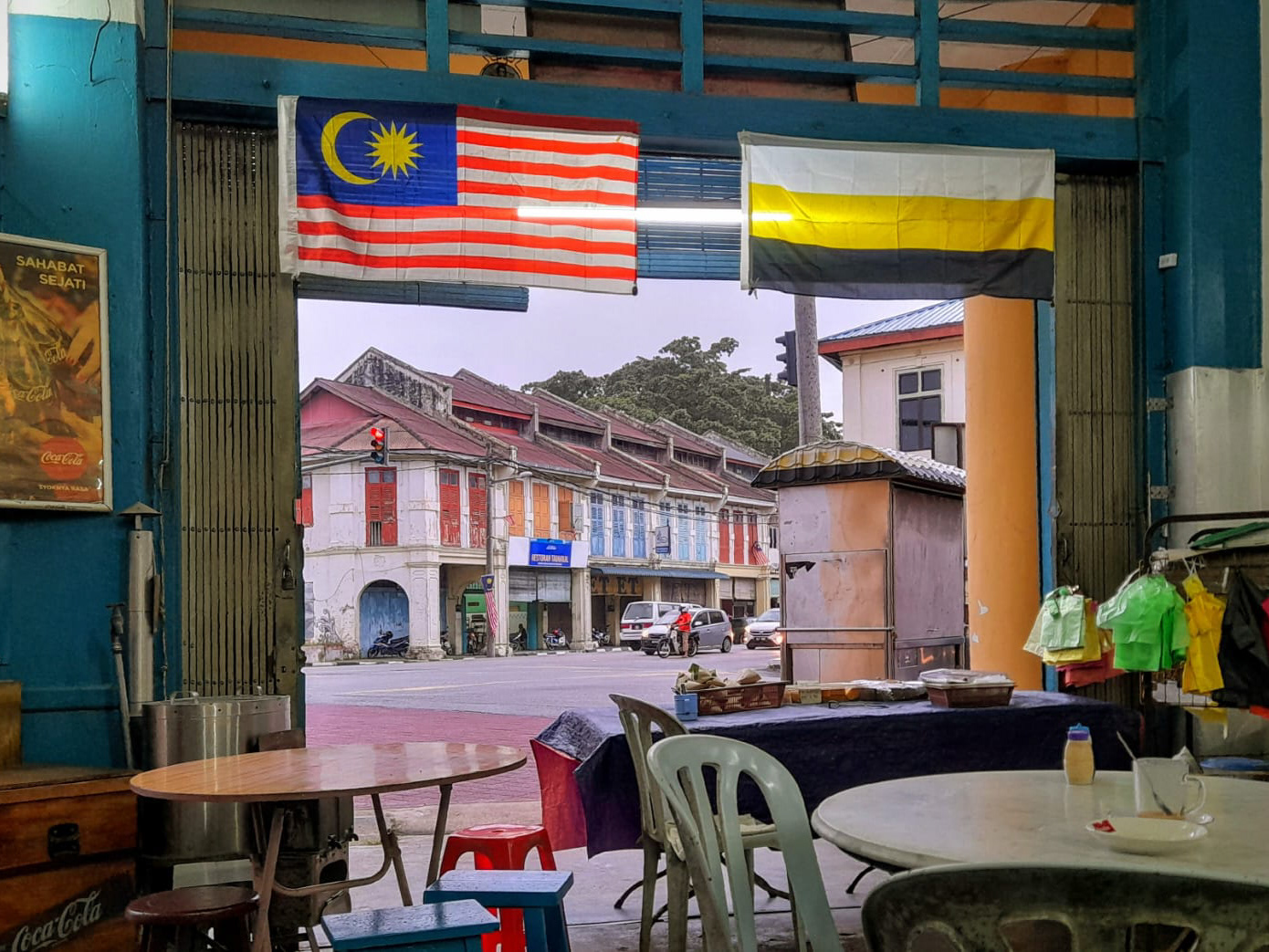
Inside, all races sit together without ceremony — Chinese families hunched over steaming bowls of noodles, Indian uncles discussing the news over kopi-o, Malay aunties sharing laughter while dipping fluffy bread into half-boiled eggs. No one thinks too hard about it; unity here is effortless, breathed in like morning air. The kopitiam becomes a living memory of what Malaya once dreamed of, a land where differences rest easily side by side, stitched together not by slogans but by the warmth of shared food.
The walls are crowded with old calendars, record covers, black-and-white class photos, half-rusted tin signs, and bits of nostalgia that feel untouched for decades. Fluorescent lights hum gently above, fans turn lazily, and every table holds a small story, of families, of friends, of travellers like me passing through but somehow feeling at home.
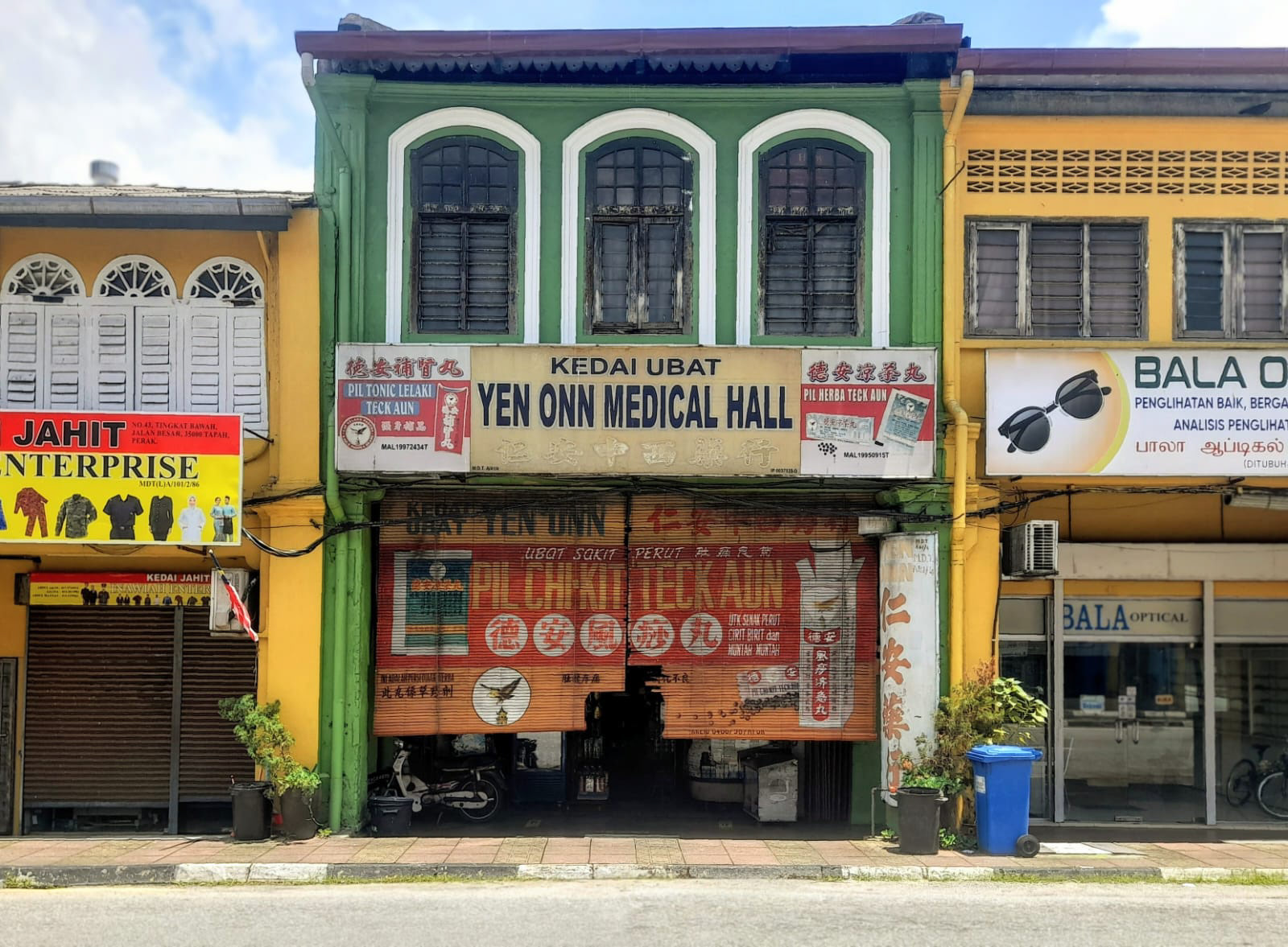
Local lore has it that Tapah takes its name from the "Ikan Tapah" — a giant freshwater catfish (Wallago attu) once common in the Sungai Batang Padang and other surrounding rivers. The fish, known for its fierce appearance and immense size, was both feared and revered by local communities. According to a local I met, the Temuan and Semai peoples, Orang Asli tribes who have long called these forests home named the area after a massive Tapah fish spotted in the river.
Another version of the story, told by Malay elders in the area, speaks of a Malay fisherman who once caught an enormous Ikan Tapah so big that it fed his kampung for days. He dried the meat and sold it at the riverside, and his small trade grew into a local landmark. As people came to know the spot as the place "where the Tapah was caught", the name gradually stuck. Lastly, there is a tale that the name Tapah organically originated from the phrase 'tidak mengapa'.
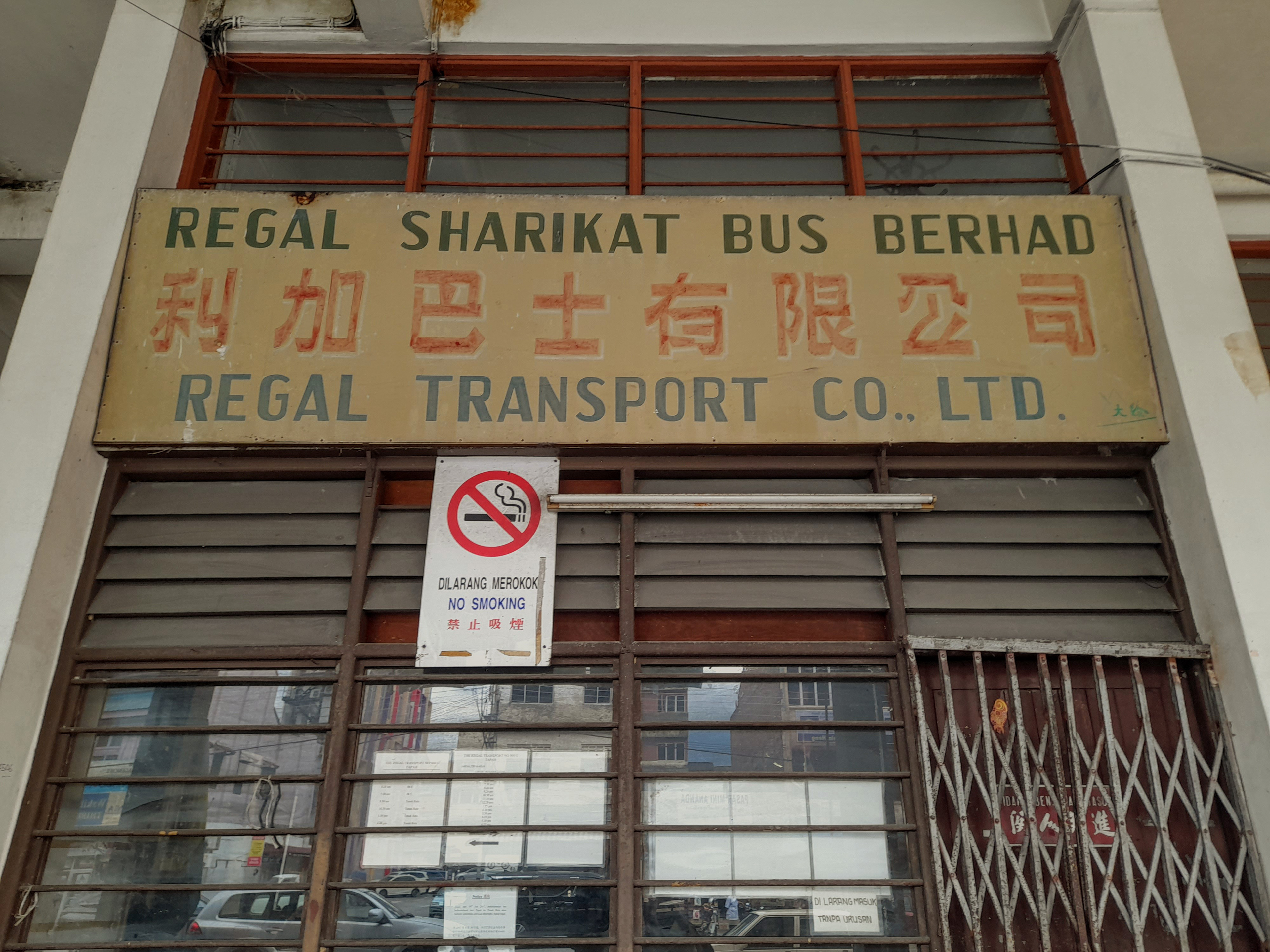
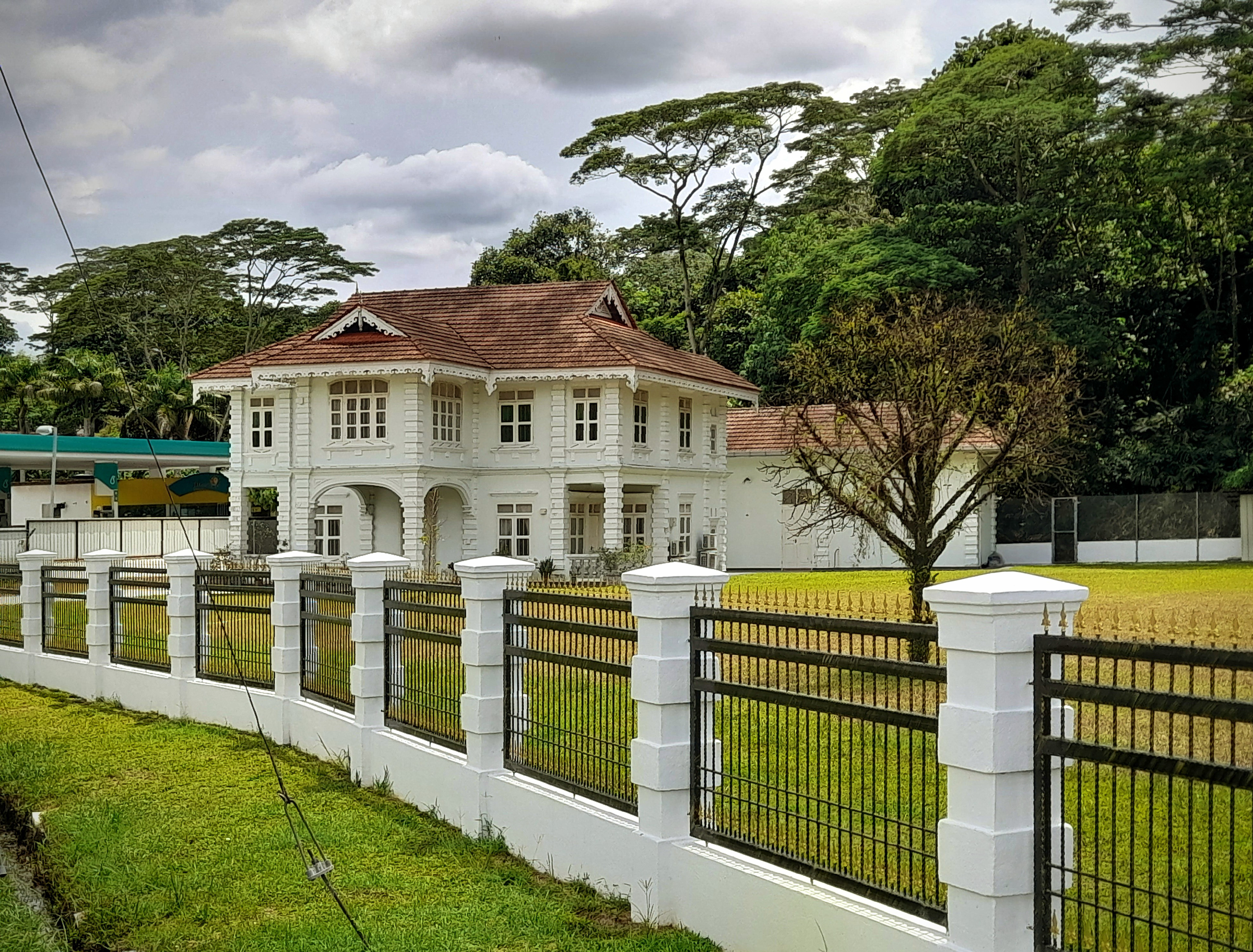
You may recall the late Dr. Lim Keng Yaik, the esteemed Gerakan President and senior cabinet member during the late 1980s to 1990s, later honoured with the title Tun. Born in Tapah, he came from a family steeped in influence and enterprise—his brother, the late Datuk K.K. Lim, was a well-known businessman. Nestled quietly in the town, there stands a grand mansion, a testament to the family’s legacy. I was told that this stately home once belonged to the immediate Lim family, and perhaps, even today, it still carries their presence within its walls.
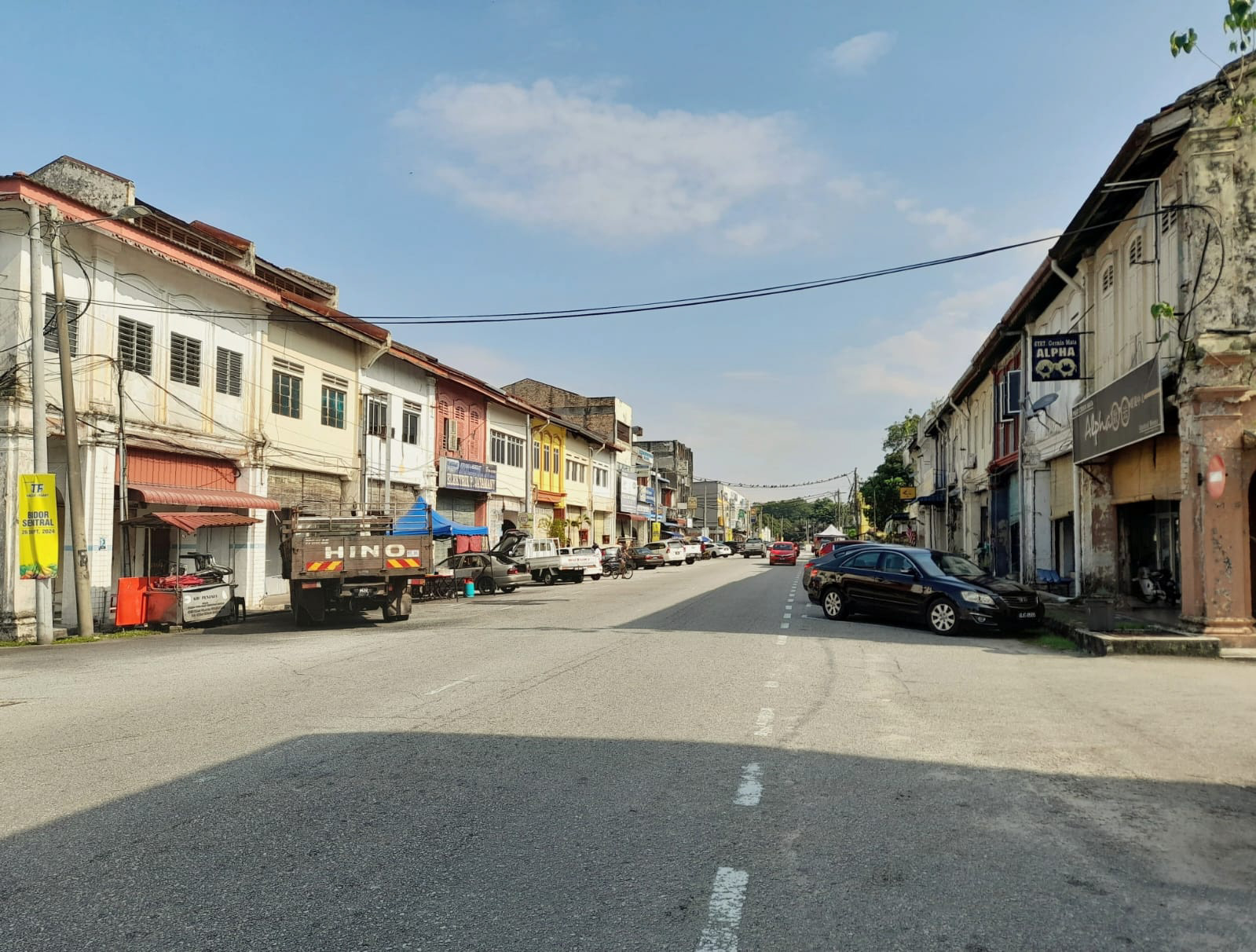
The name Sungkai is believed to have originated from the "Pokok Sungkai" (Peronema canescens), a tall native tree known for its light, fragrant wood and traditional medicinal uses. This tree once grew abundantly in the region, especially along the banks of the Sungai Sungkai, and became closely associated with the identity of the area. Local folklore also suggests that early settlers named the area after the tree, which was both spiritually significant and practically useful in daily life. Over time, the name "Sungkai" came to represent not only the natural surroundings but also the growing community that took root along the riverbanks and railway lines.
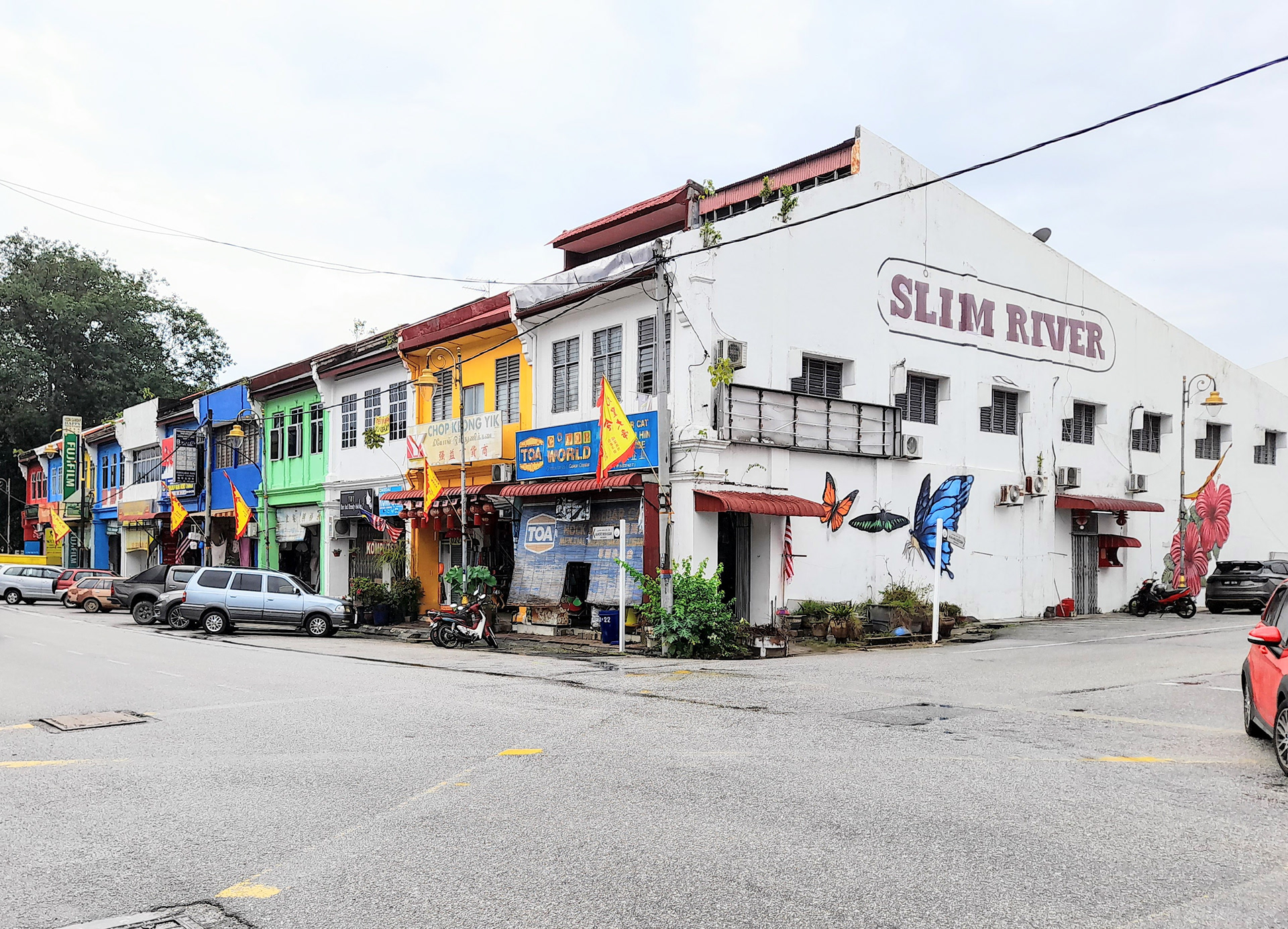
The bus finally rolls into Slim River just as soft rain begins to fall, its rhythm a gentle drumming on the rooftop. Under the muted grey skies, the town reveals a fragile beauty, a quiet pause after the long stretch of highway. Slim River, nestled in the southern part of Perak, feels like a bridge between past and present, history and calm.
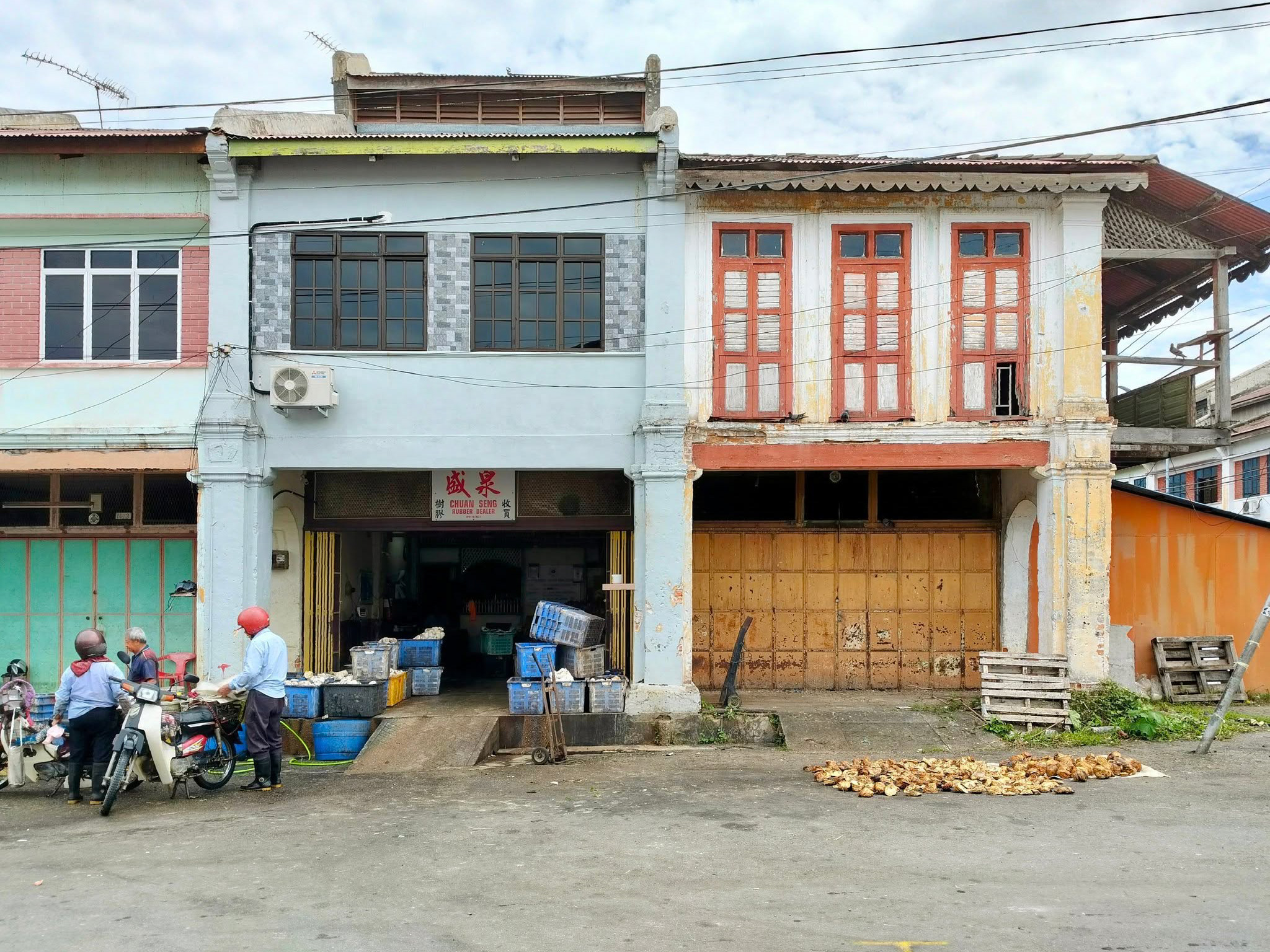
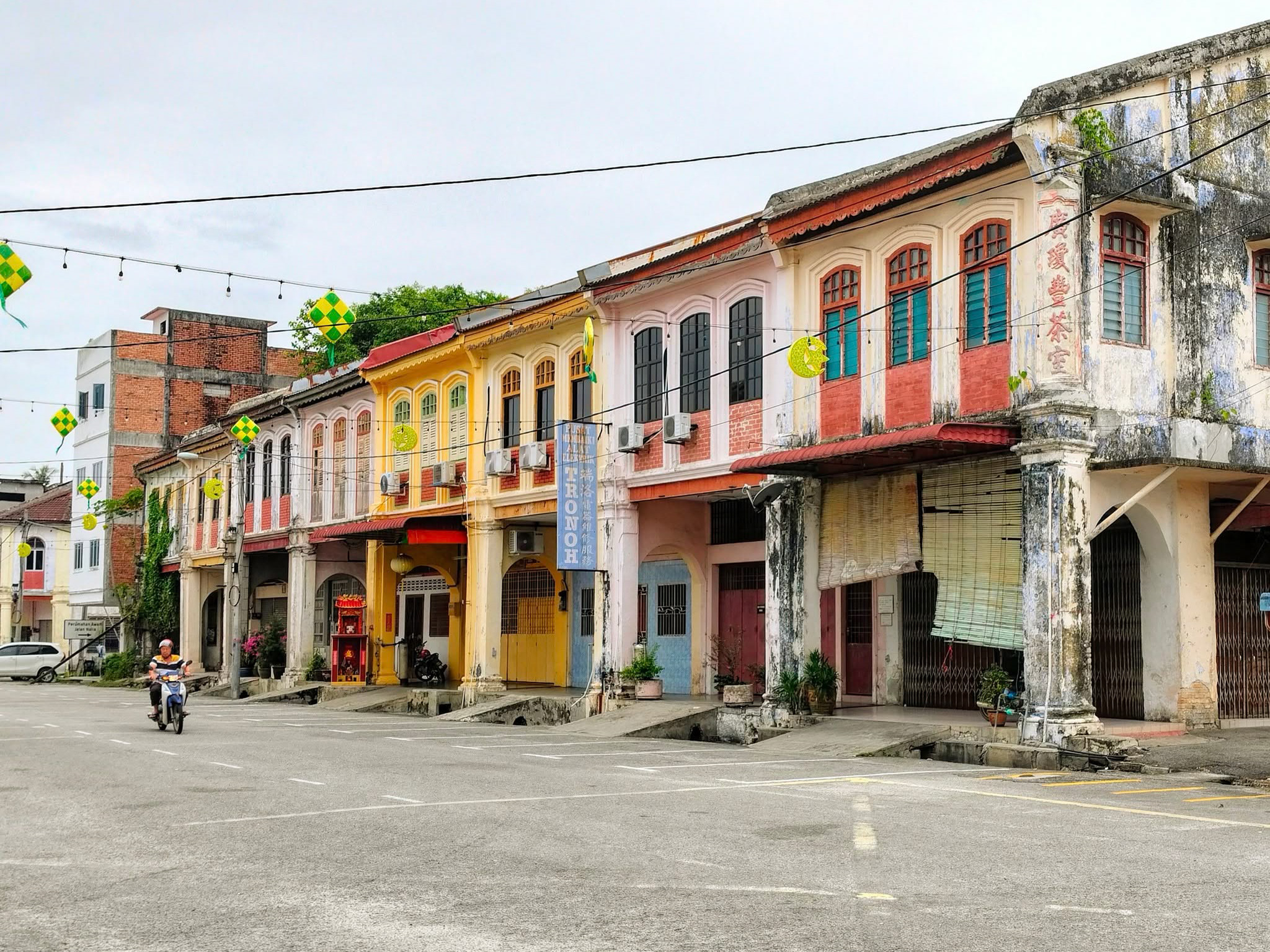
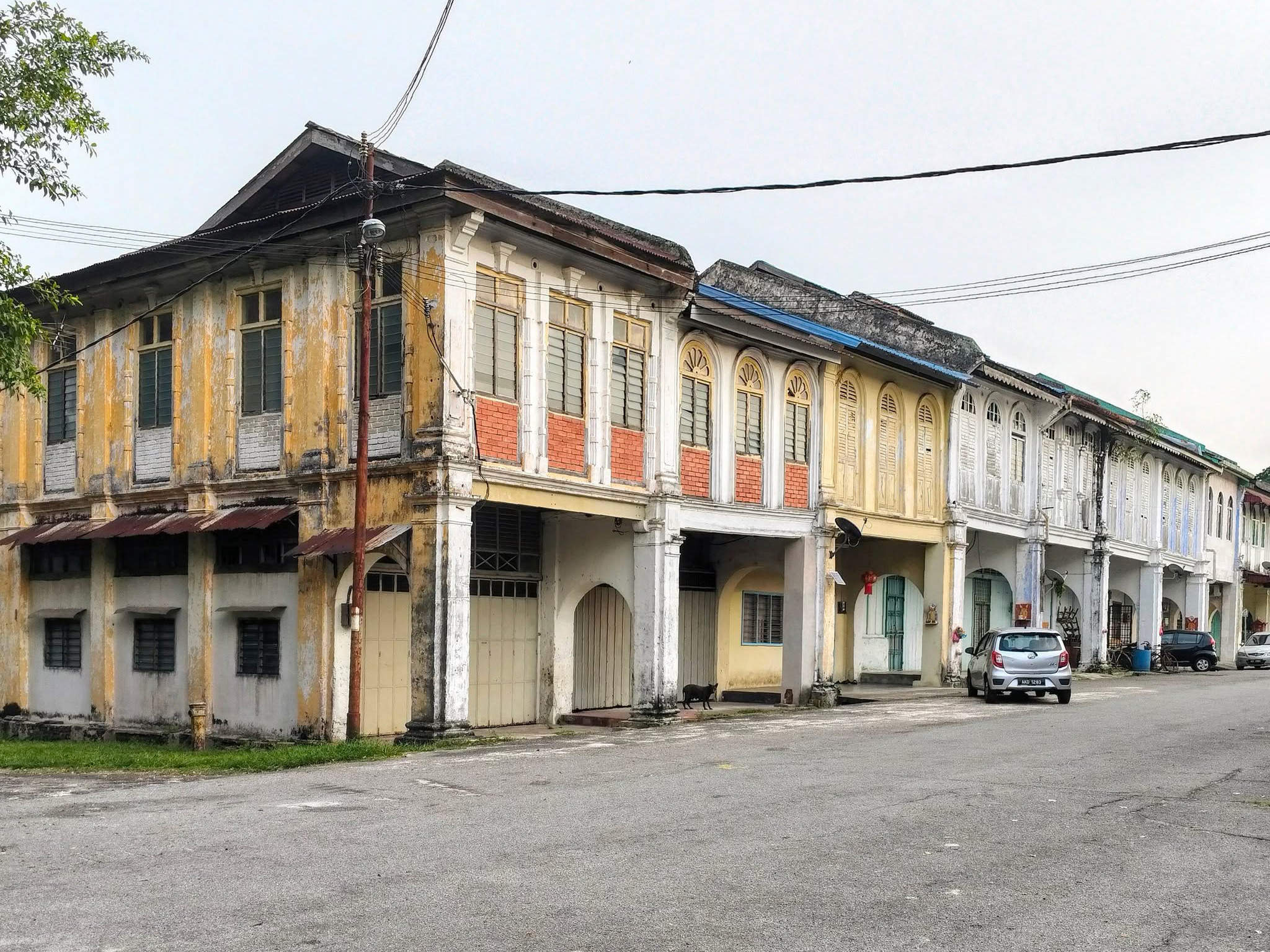
As I step off, the town smells faintly of wet earth and old timber, and I’m drawn to the rows of shop‑houses lining the main street. Though not as grand as the colonial façades of Georgetown or Taiping, they possess a humble elegance; weathered walls, shuttered balconies, and narrow walkways that echo countless quiet conversations. In these rain-kissed streets, you feel the weight of history. Slim River was no sleepy backwater: it was once a strategic battleground during World War II, the site of the storied Battle of Slim River. Local scholars even argue that the sub‑district holds deep historic value, stretching back to pre-colonial times.
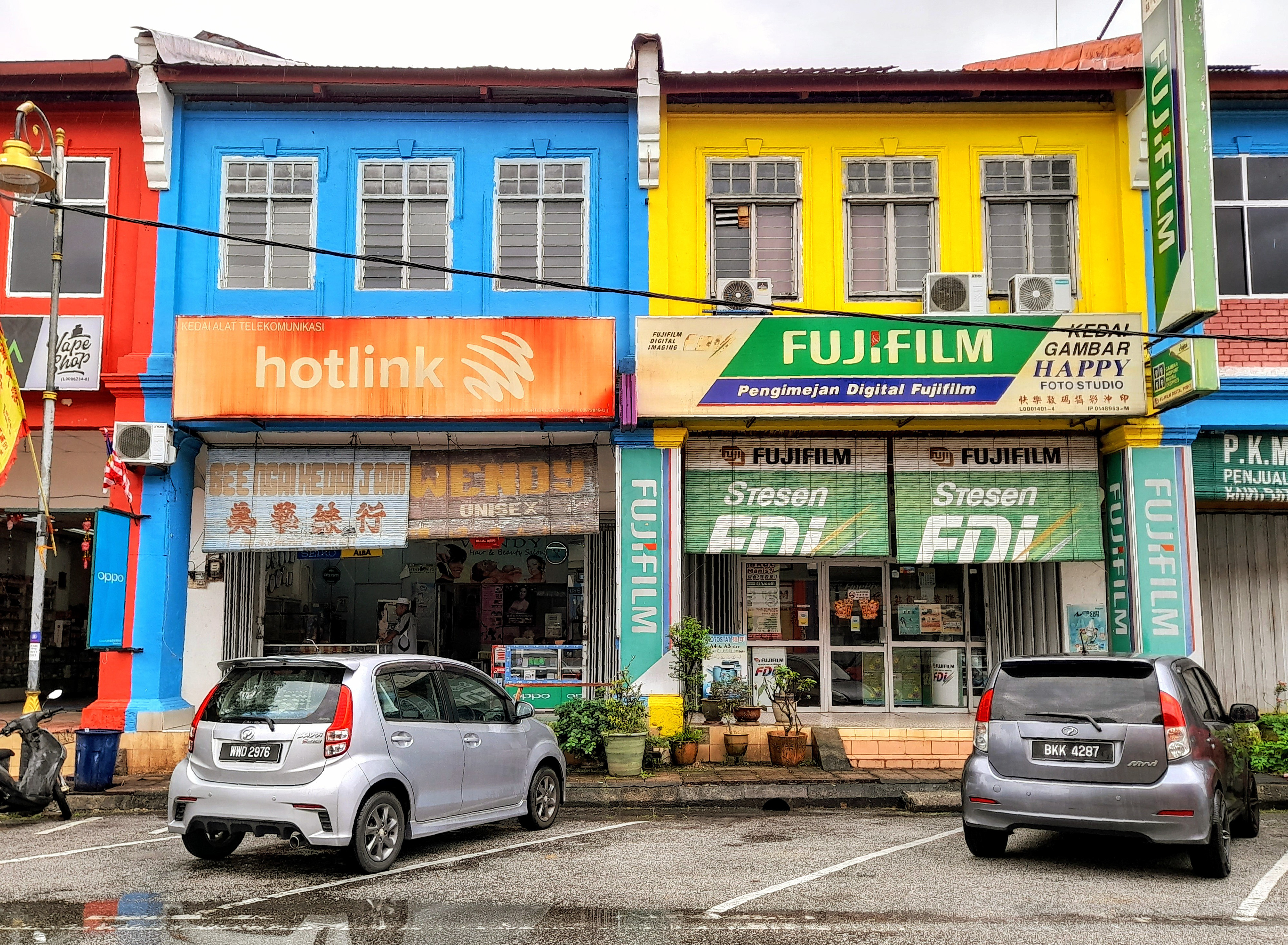
As I wander, the drizzle softens the colours — facades of once-bright shop-houses faded to soft pastels, their eaves dripping like the brim of an old hat. I pause at a kopitiam tucked under one of these shophouses. Steam coils from a hot cup of kopi; each sip tastes of simplicity and long afternoons.
Beyond the town’s arteries, Slim River’s spirit feels rooted in nature and memory. The river, from which the town takes its name, is said to have been named by a British officer, Captain William Slim. Around the outskirts, rubber and palm plantations stretch green and low, a reminder of the agrarian heartbeat that still powers this place.
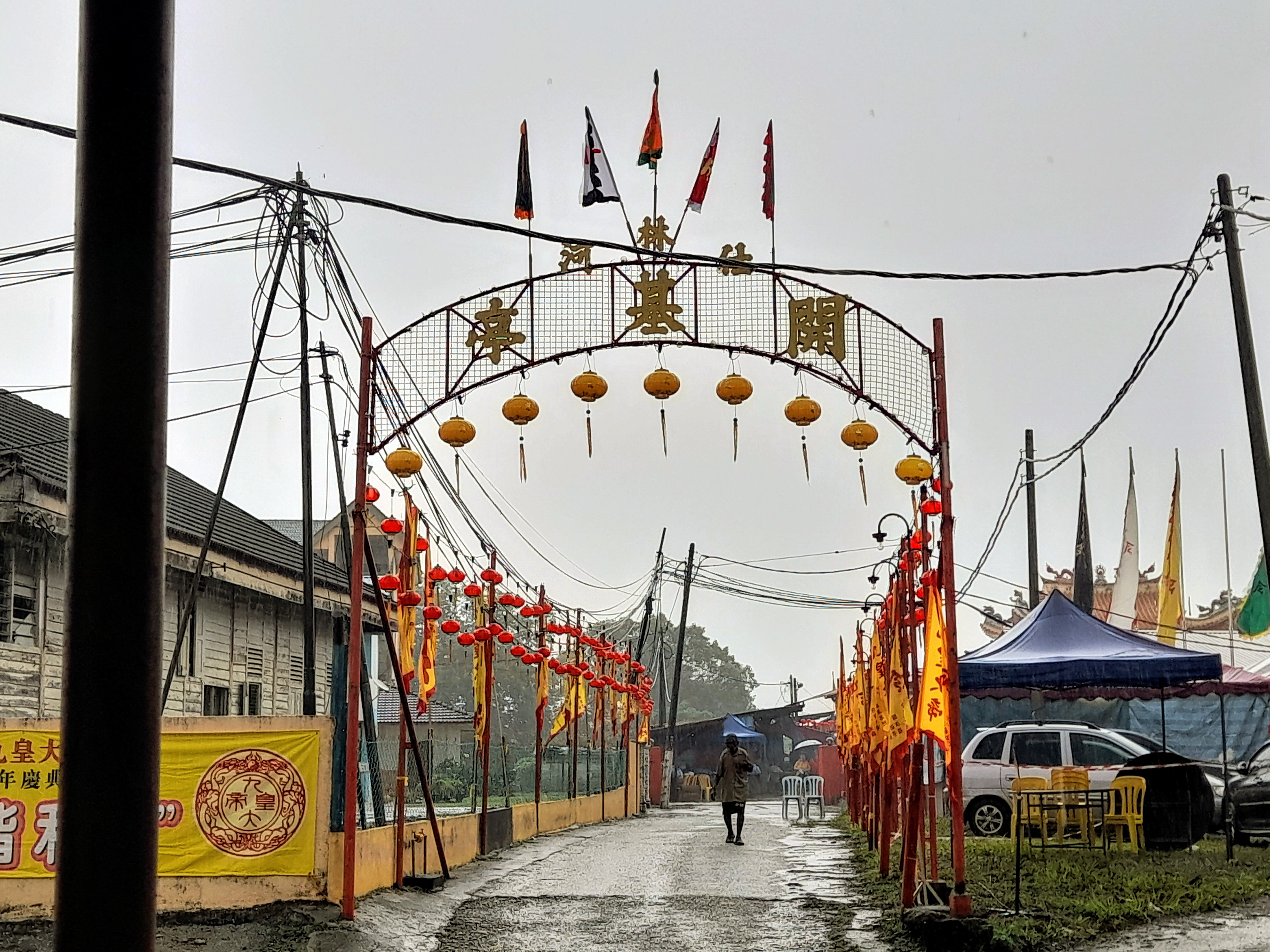
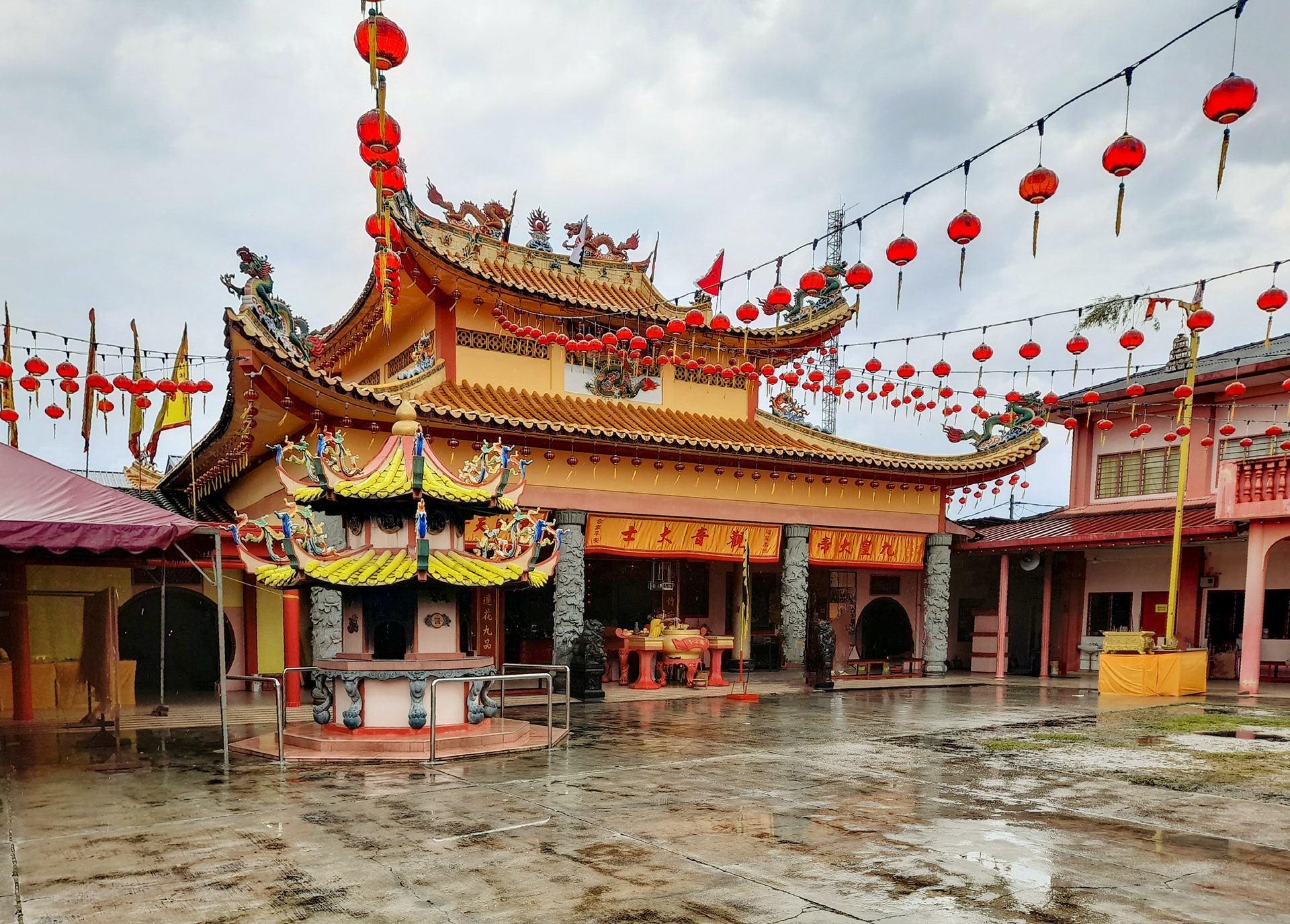
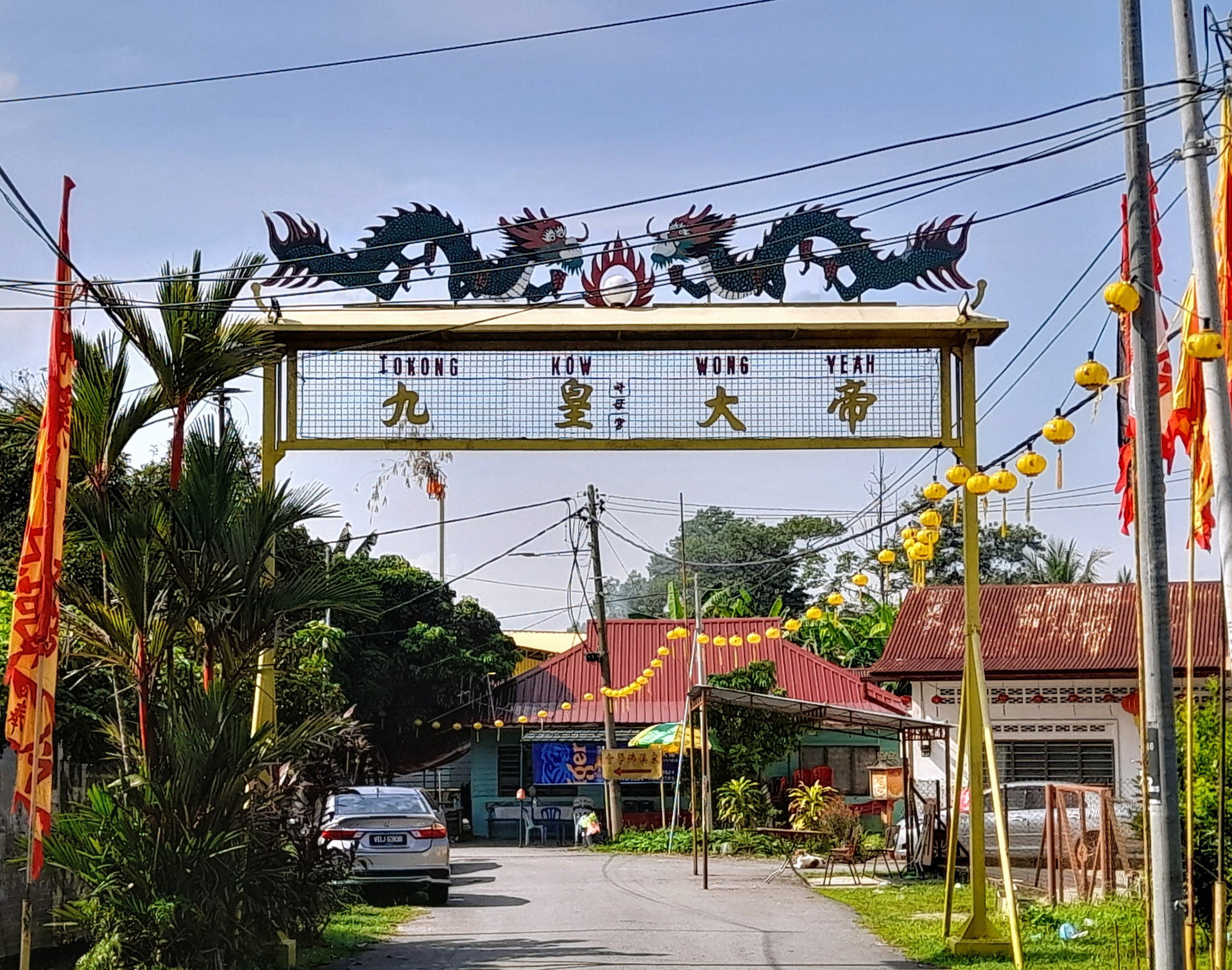
Standing under the awning of an old shophouse, raindrops sliding down my sleeve, I watch Slim River come alive in a rare, luminous way. Lanterns sway softly in the drizzle, and the air is thick with incense smoke as devotees move with quiet reverence, celebrating the Nine Emperor Festival. The rhythmic chants and the scent of offerings mingle with the earthy aroma of rain-soaked streets, infusing the town with a sacred, almost otherworldly energy.
This isn’t a town frozen in time; it is a living mosaic of stories. War and trade, river and root, devotion and daily toil all converge in the narrow lanes lined with weathered shophouses, their facades glistening under the rain. The festival adds a pulse, a vibrant heartbeat beneath the town’s gentle surface. For a moment, the past and present blur: tin-mining days, battles, commerce, and faith all weaving together into a rich tapestry of memory and resilience.
Here, in the rain, amid prayers and incense smoke, Slim River reveals its soul; humble yet profound, historic yet alive, a fitting and unforgettable end to a journey along Federal Route 1.