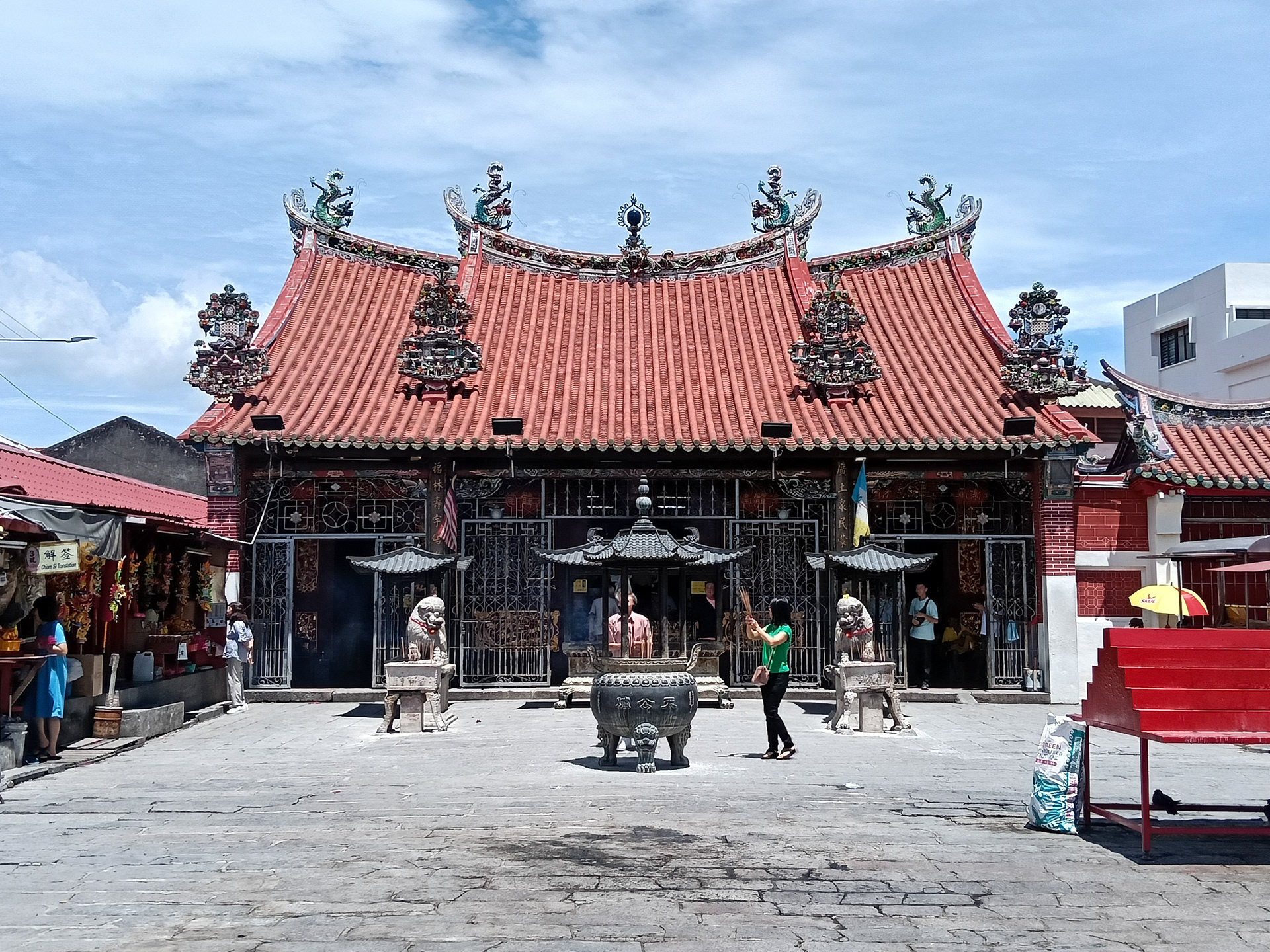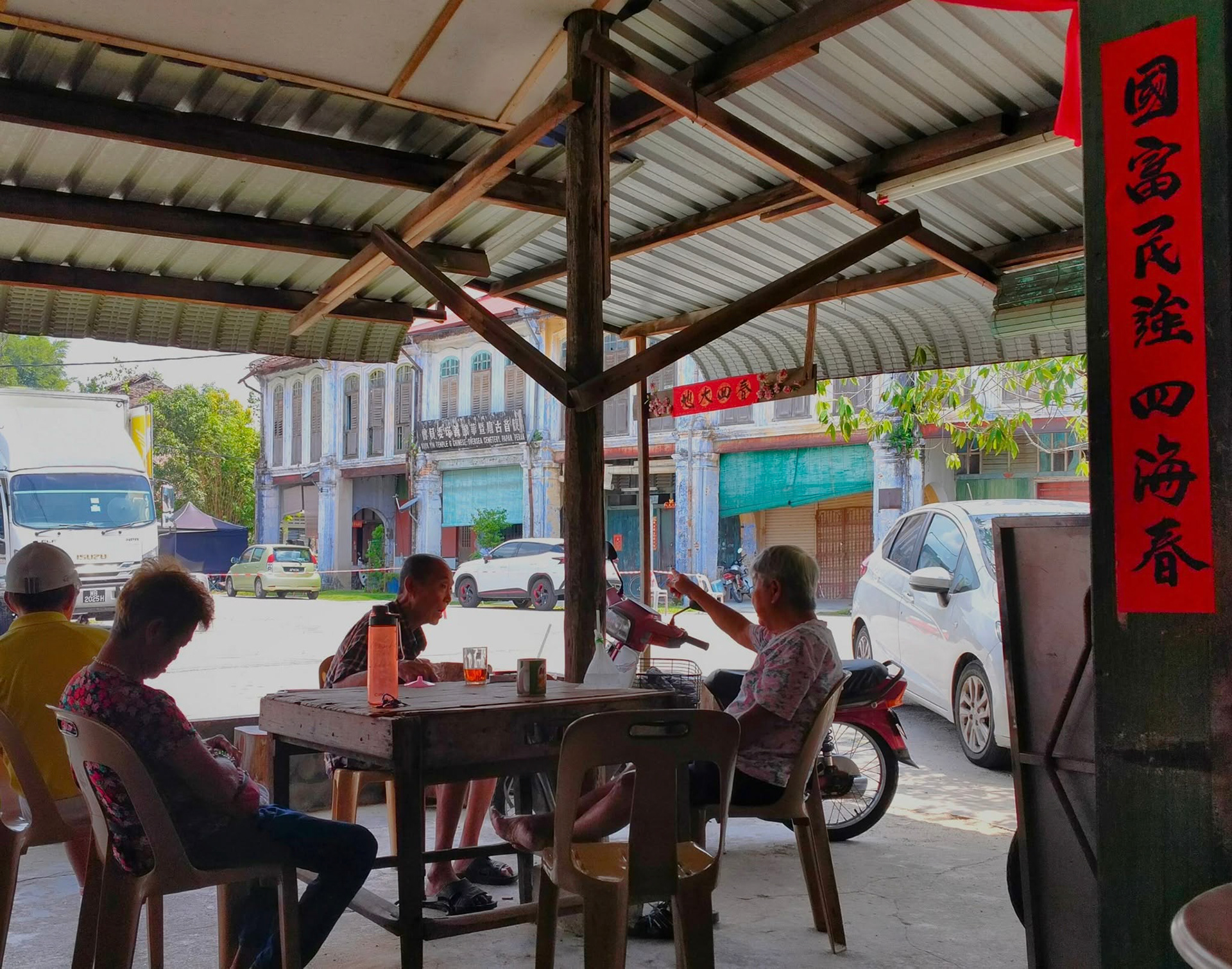
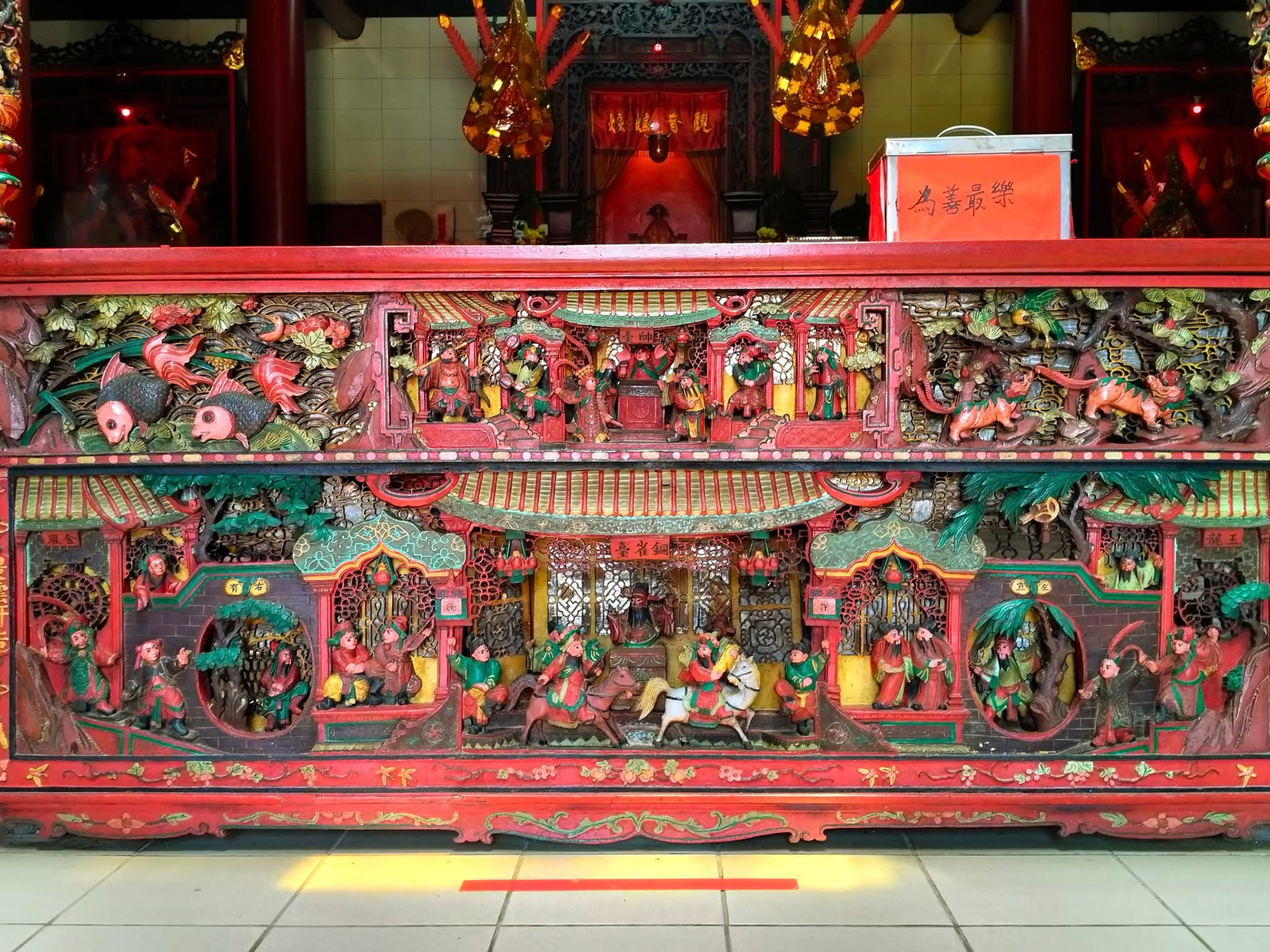
Amidst the quiet decay of Papan, a town whose very name—drawn from the Malay word for "plank"—hints at its timber-hewn origins, stands the venerable Guan Yin Temple, a bastion of spiritual endurance. Erected in 1898, yet with origins that may trace as far back as 1874, this sanctuary bears silent witness to the inexorable march of time, its presence an indelible testament to the faith and fortitude of those who came before. Though now relegated to the periphery of modern consciousness, Papan once pulsed with the ambitions of empire, predating even Ipoh, the metropolis that would eventually eclipse it.
And yet, as we lament the inexorable erosion of such historic enclaves, we must ask ourselves: are we truly stewards of our own legacy? Too often, we rally in indignation when neighbouring cultures lay claim to elements of our shared patrimony—hawker fare, textiles, architectural motifs—yet fail to extol the singularity of our own inheritance. Perhaps the true battle is not for ownership of the past, but for its preservation in the face of apathy. Papan, in its wistful silence, reminds us that heritage is not merely a relic to be defended but a narrative to be reclaimed—a living testament to the ingenuity, resilience, and symbiosis that define us.
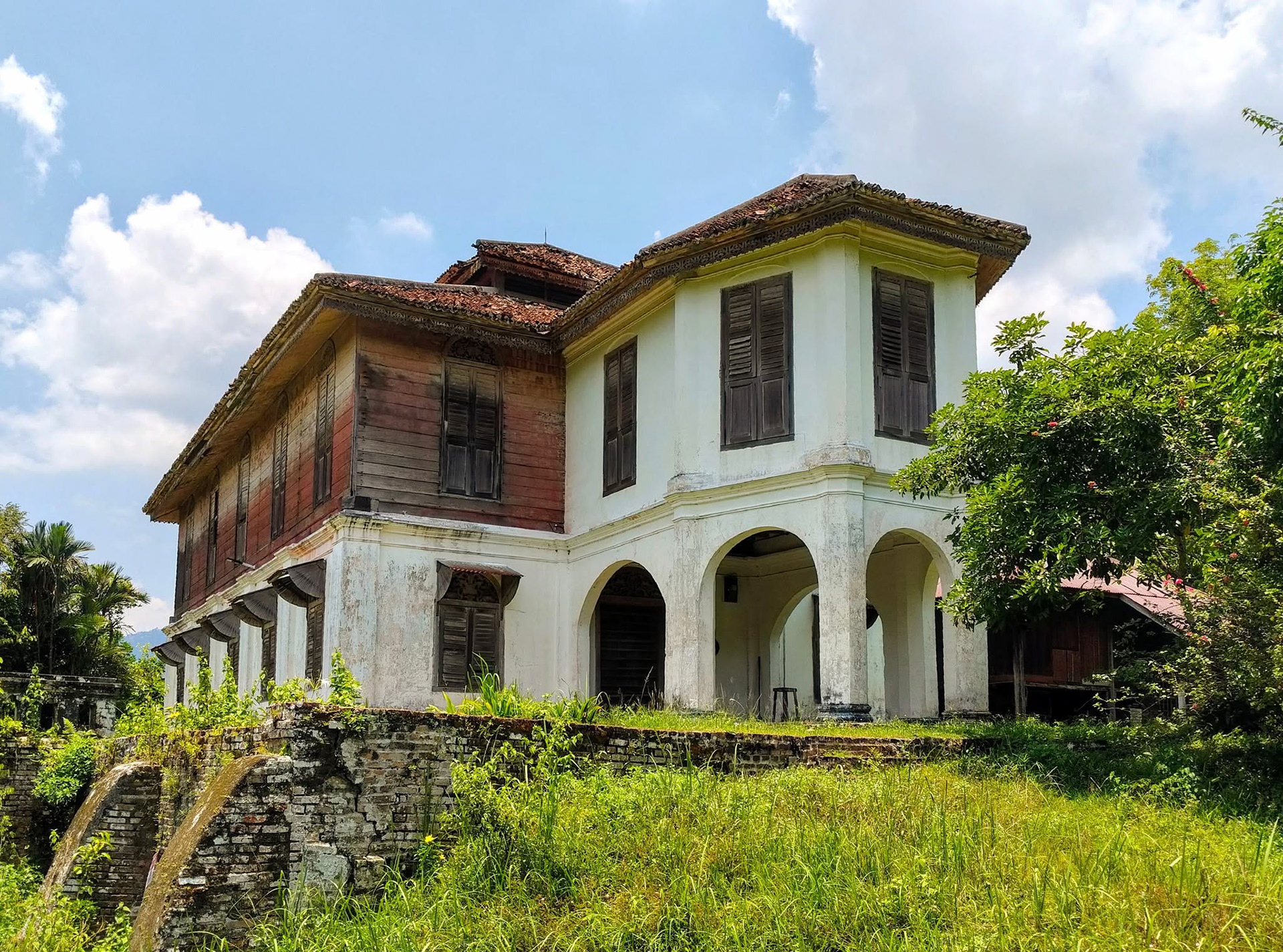
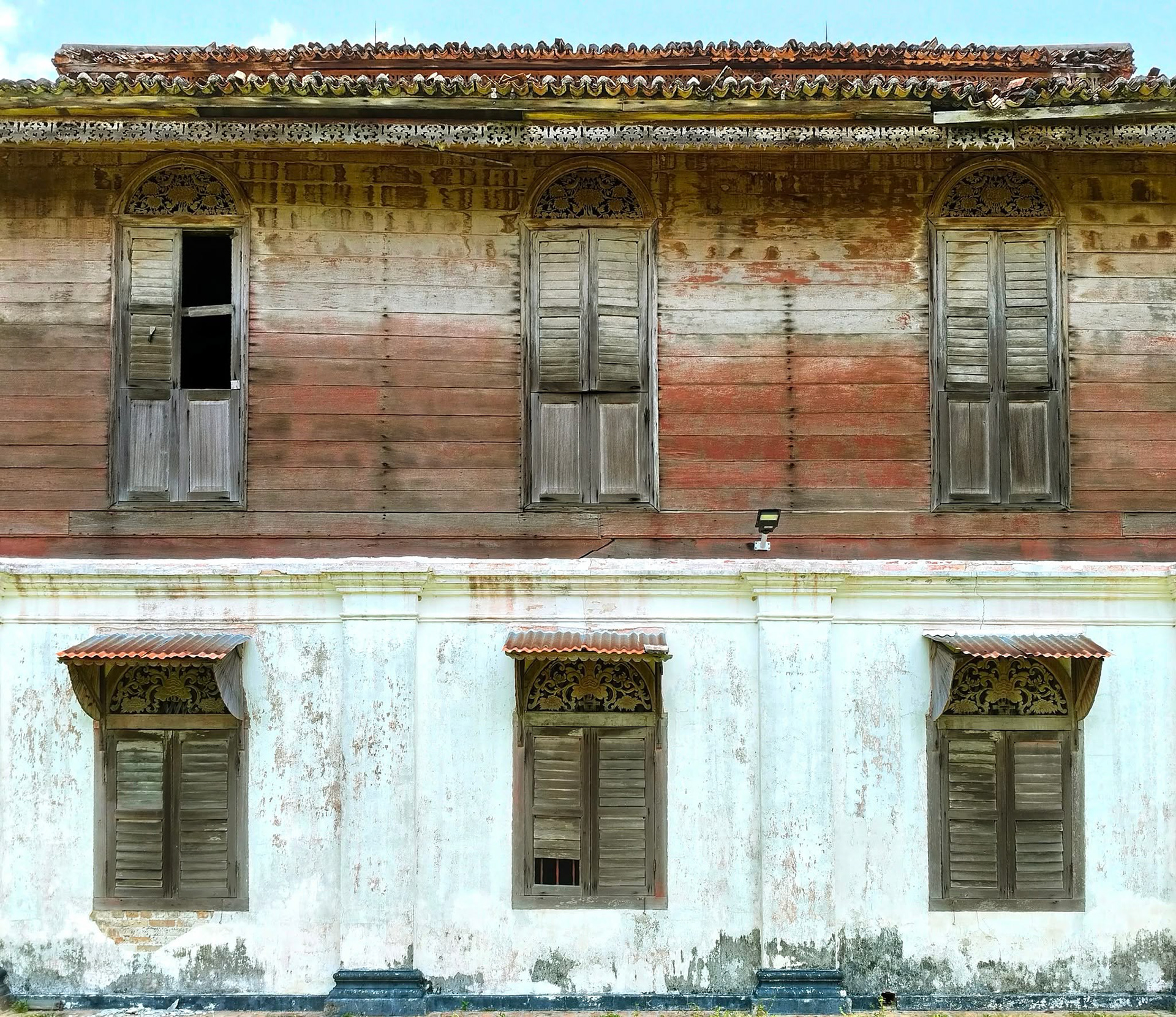
Among the few remaining historical structures in Papan, Istana Raja Bilah stands as a testament to the Mandailing presence in Perak. Completed in 1896, this grand residence served as the administrative centre for Papan’s tin industry and as a cultural hub for the Mandailing and wider Muslim communities.
Originally referred to as Rumah Besar (Great House)—a direct translation of the Mandailing term Bagas Godang, denoting a noble residence—the building functioned as a communal hall for official meetings, ceremonies, and governance. Today, despite the passage of time, the palace retains much of its original architectural integrity, with its intricate wood carvings and stately facade still visible near Papan’s town centre.
The political upheaval in Perak reached its zenith in November 1875 with Birch’s assassination in Pasir Salak, an event that triggered the Perak War (1875–1876). Unlike his relatively favourable treatment of Raja Asal and the so-called "foreign Malays," Birch’s heavy-handed policies—particularly his abolition of traditional revenue streams for Malay chiefs, including tax collection rights and slave ownership—provoked widespread resentment. This discontent culminated in Sultan Abdullah and his councilors conspiring with Dato’ Maharajalela to remove Birch. In the aftermath of the war, the British appointed Frank Swettenham as Deputy Commissioner to restore order. Investigations revealed that even Raja Ismail, Birch’s former rival, had been implicated in the conspiracy. This led to Raja Ismail’s exile to Johor in 1876 and a protracted manhunt for his followers, including Raja Ngah.
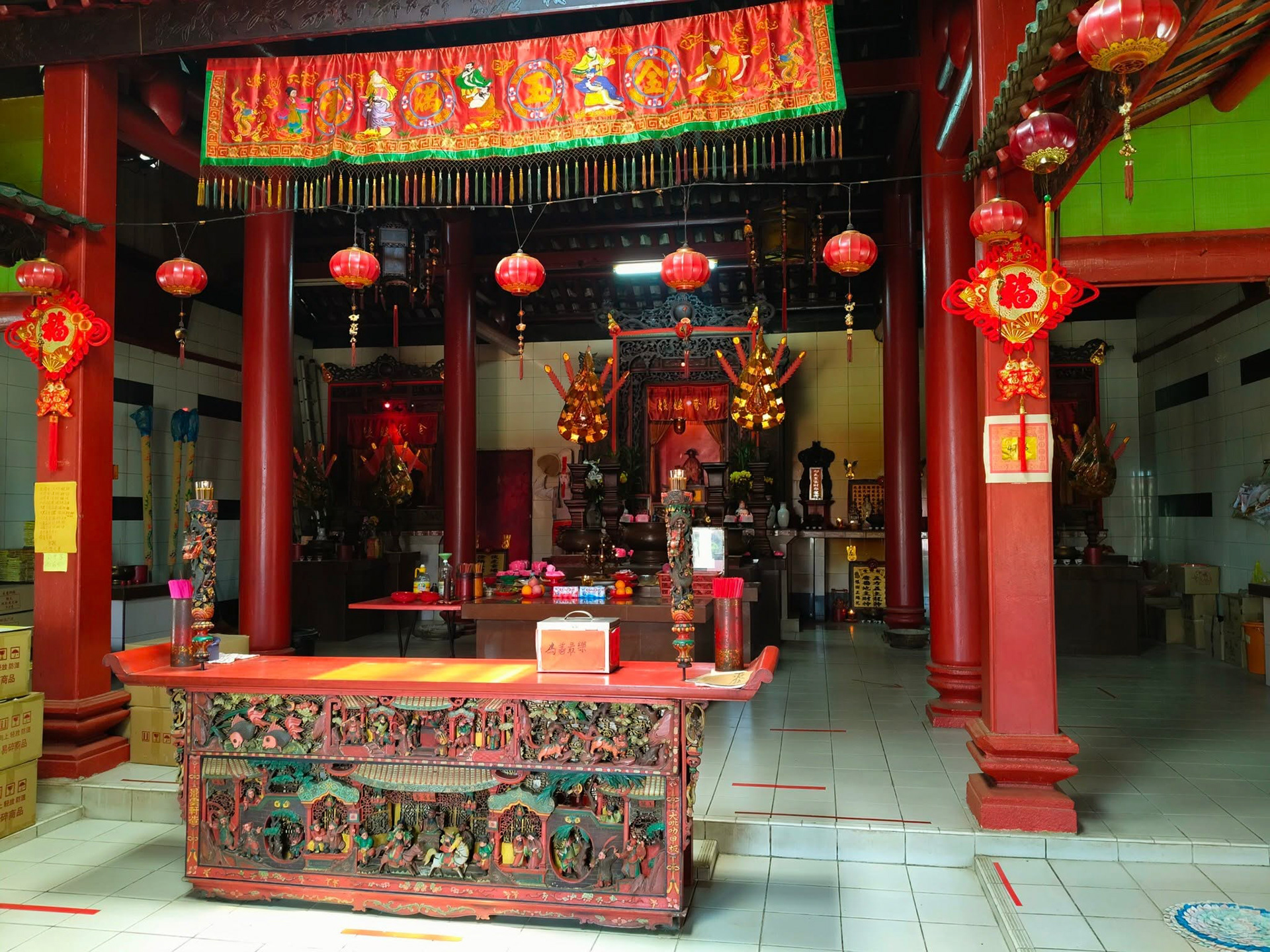
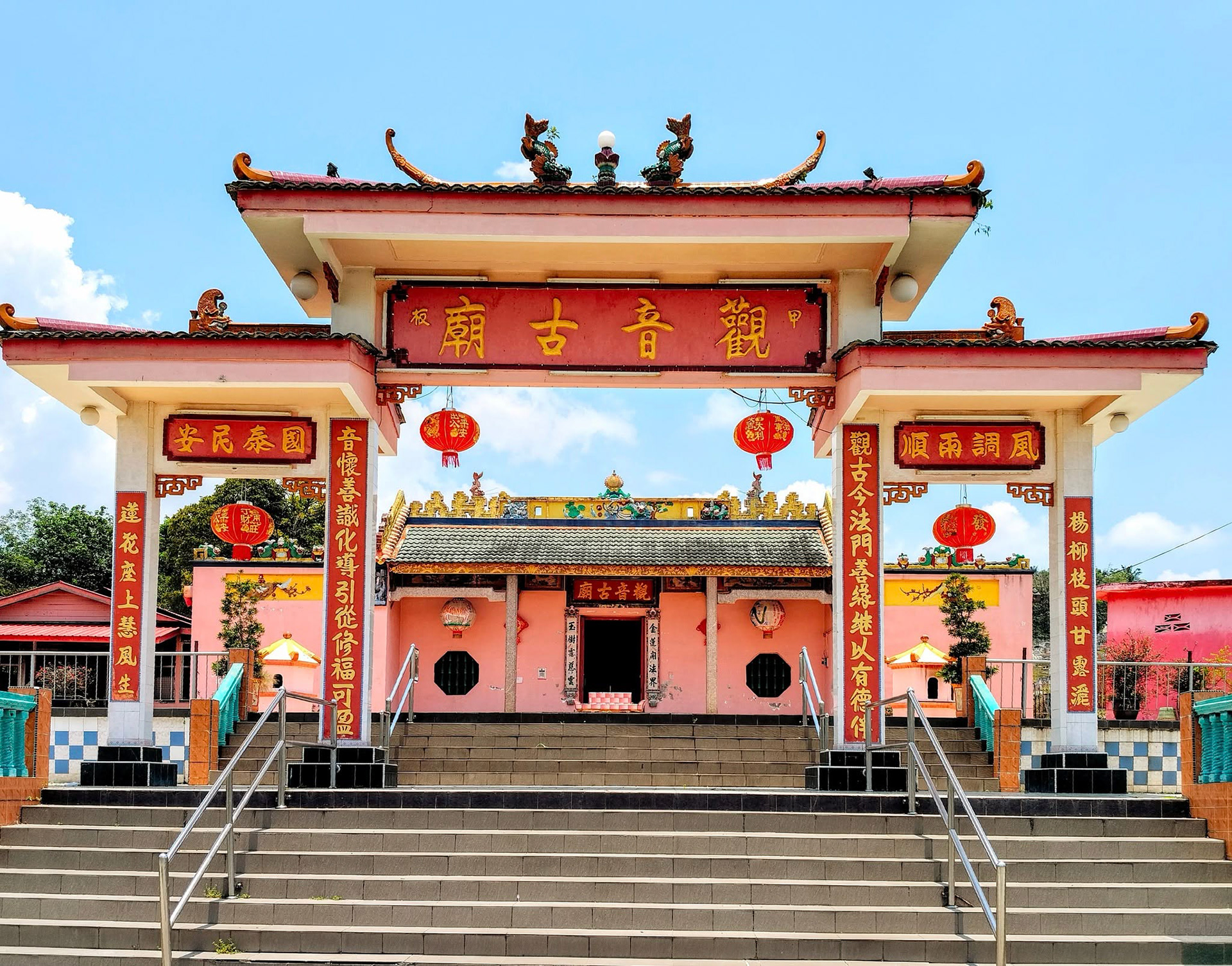
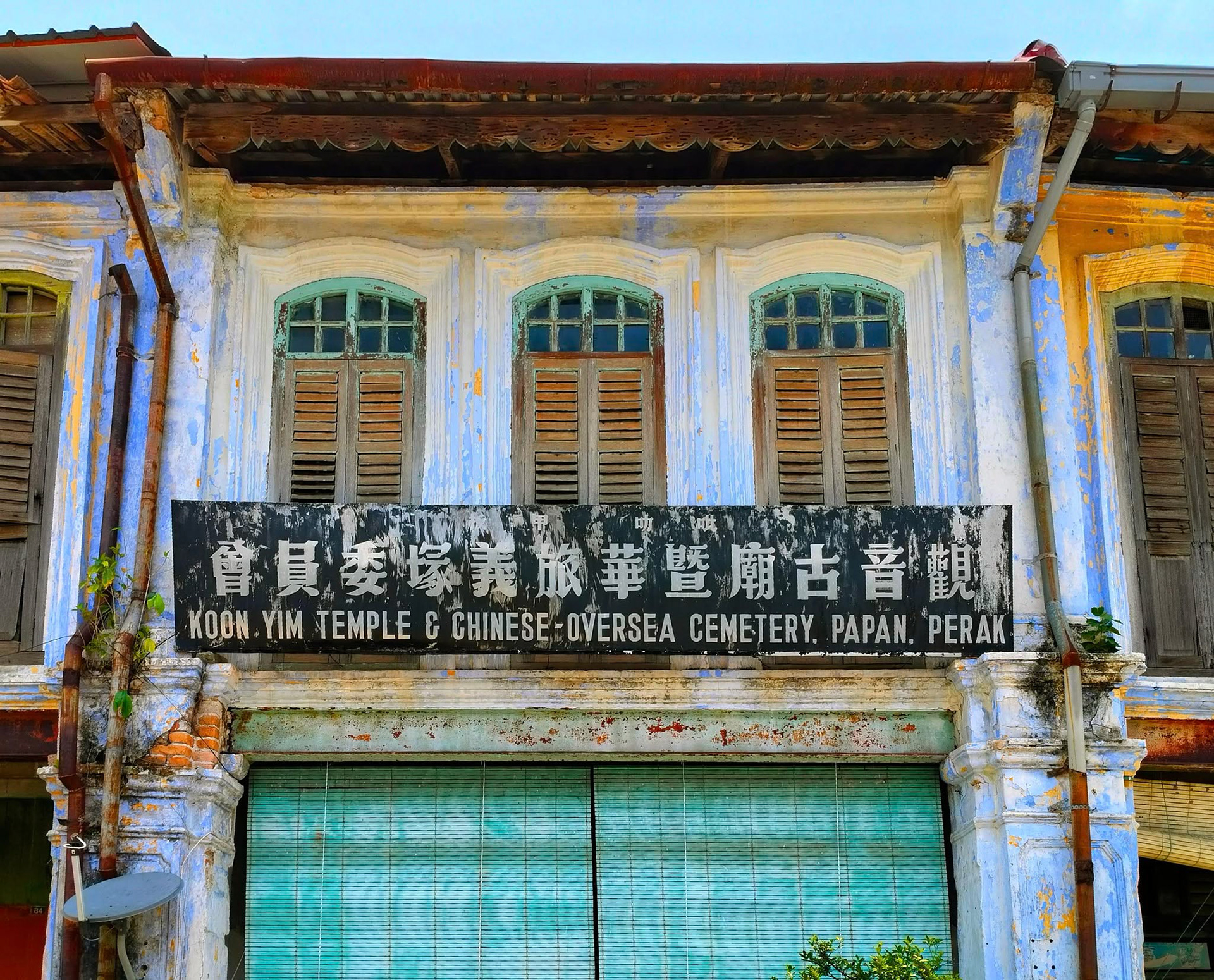
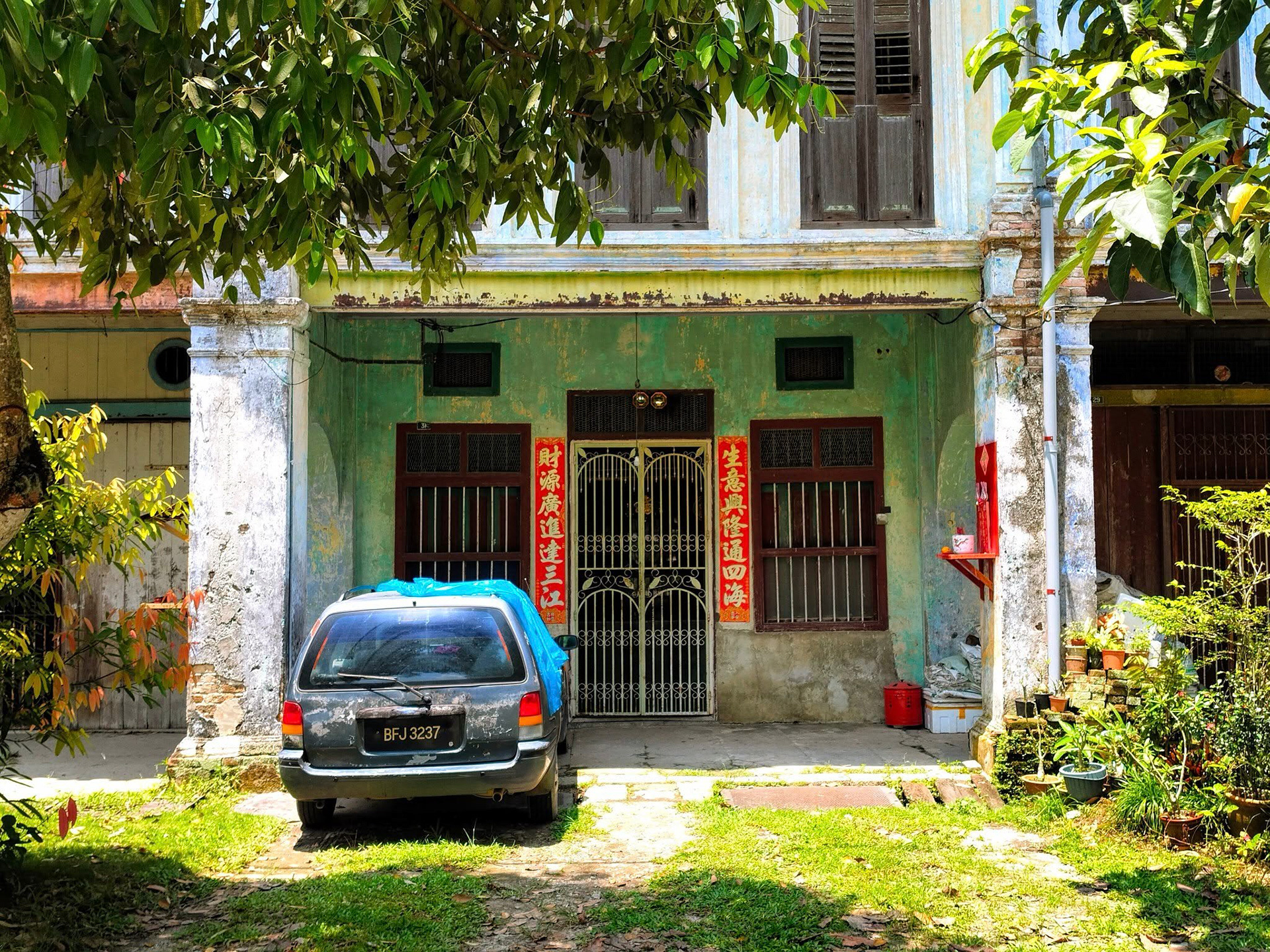
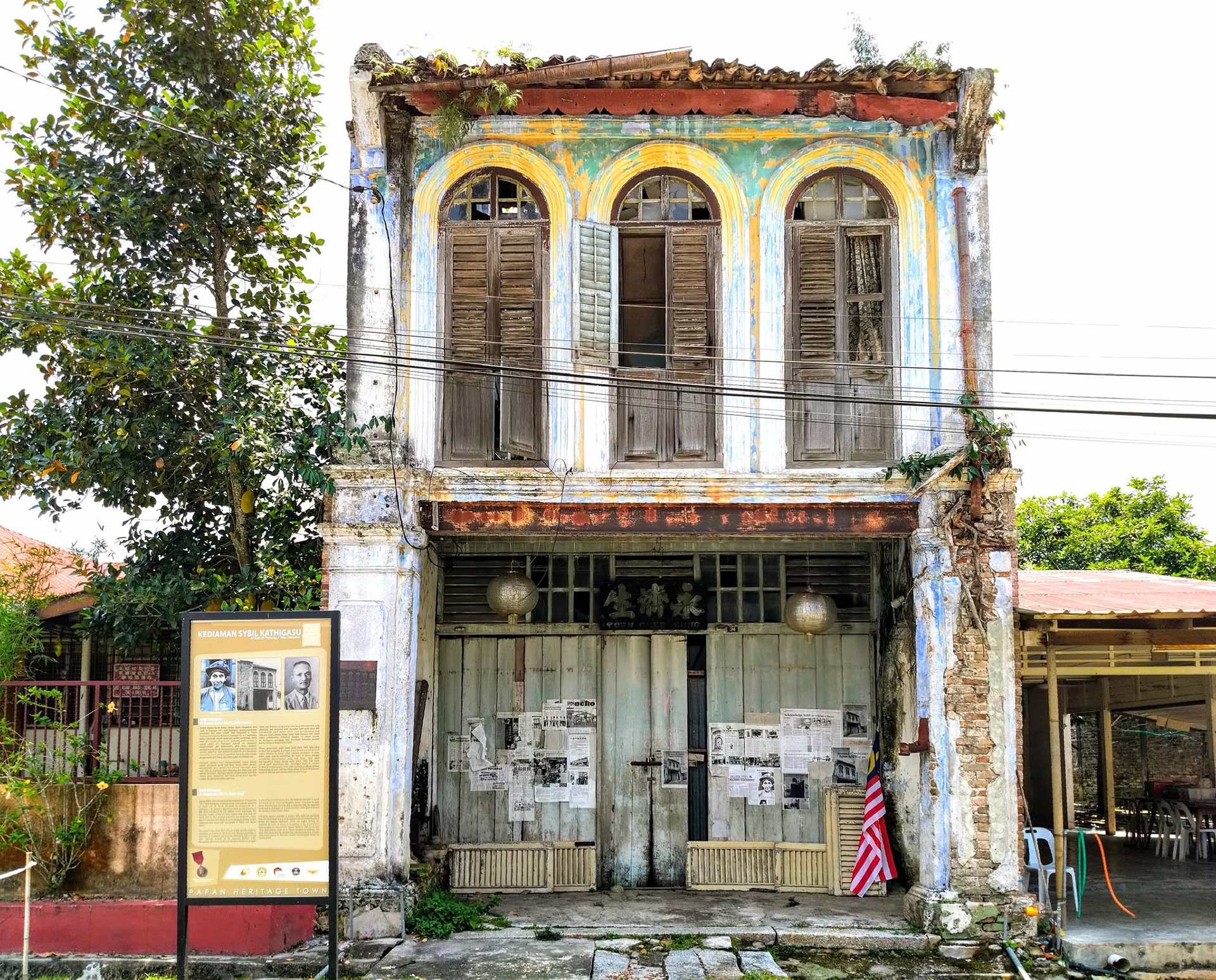
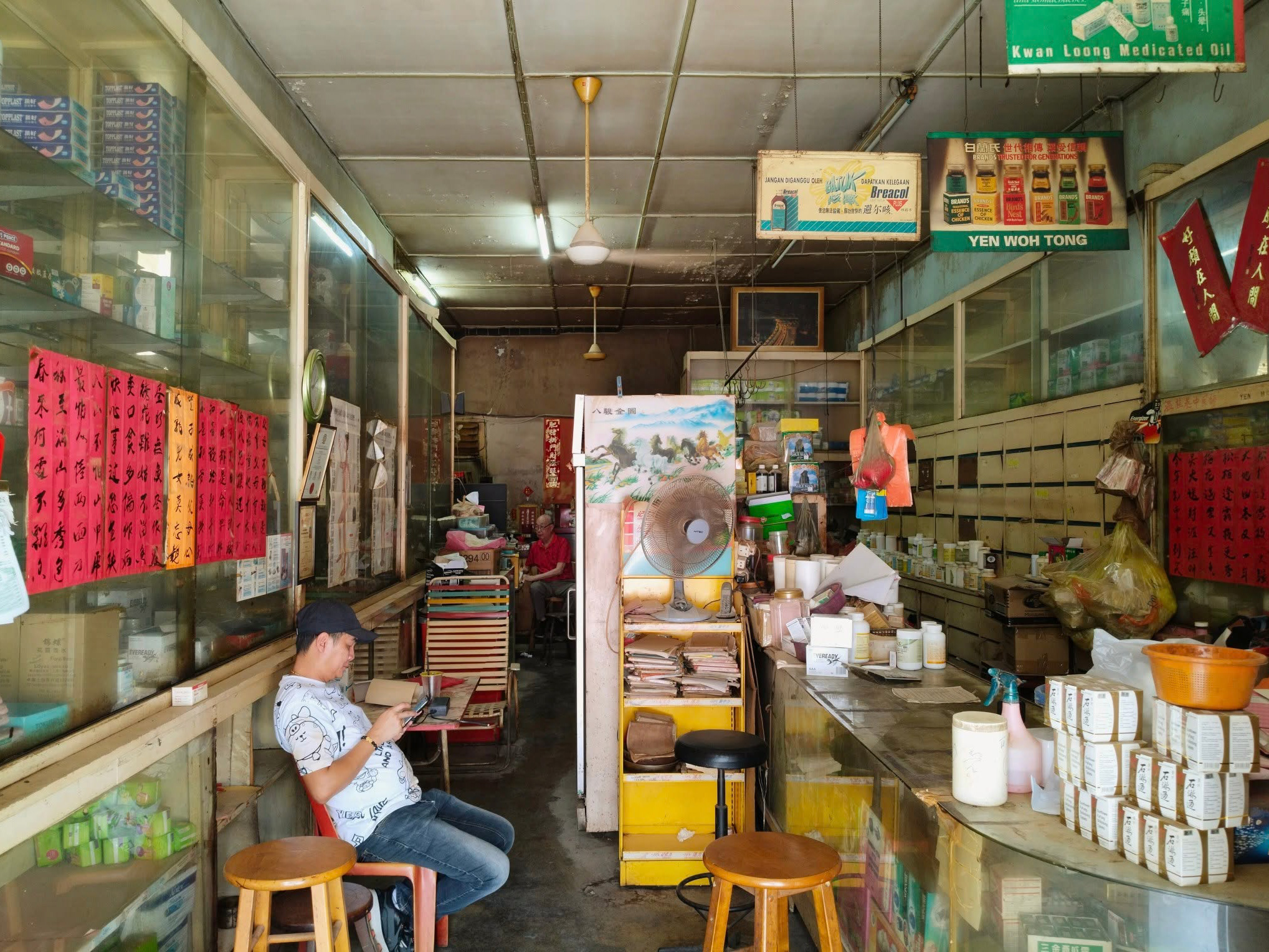
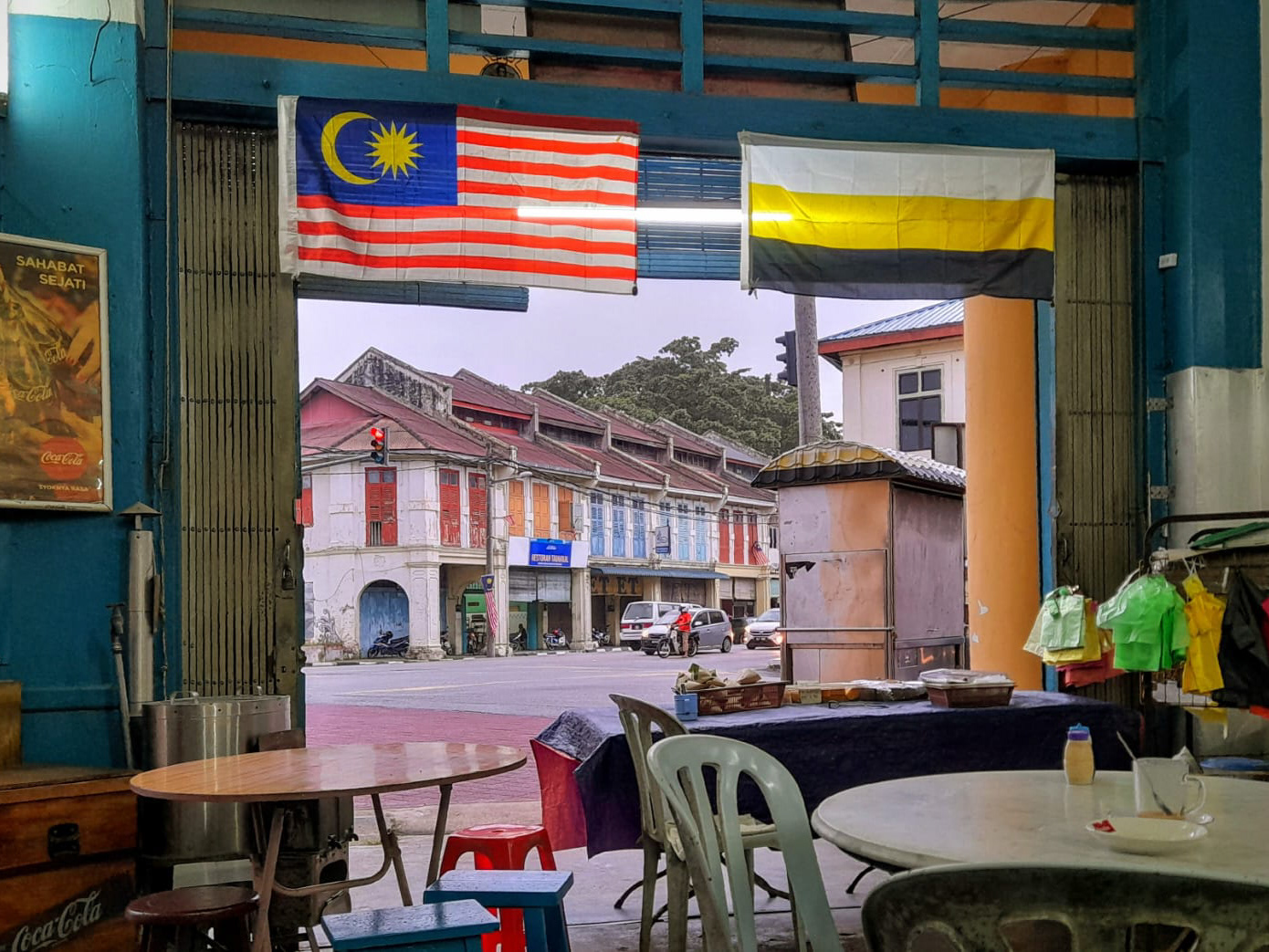
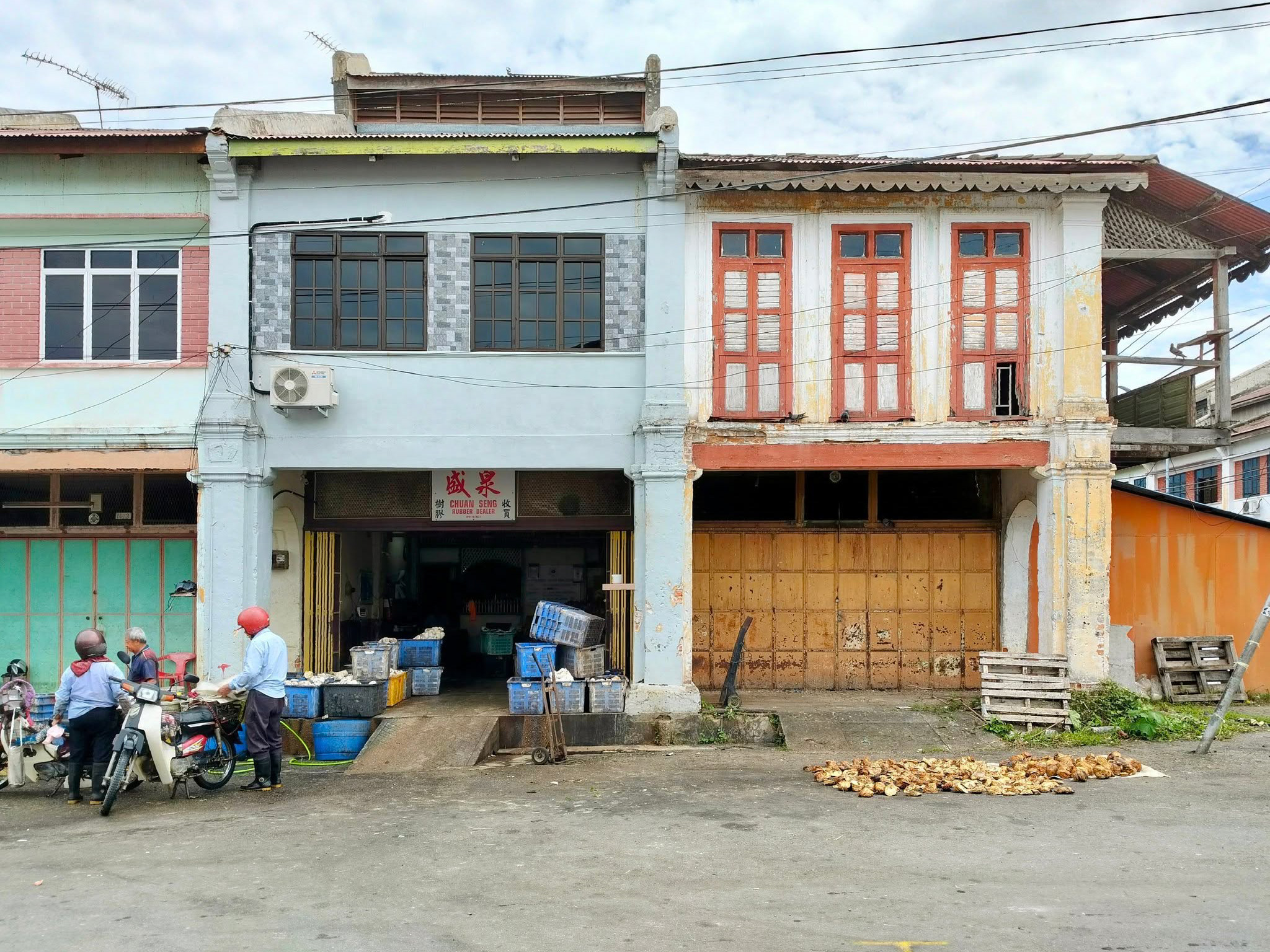
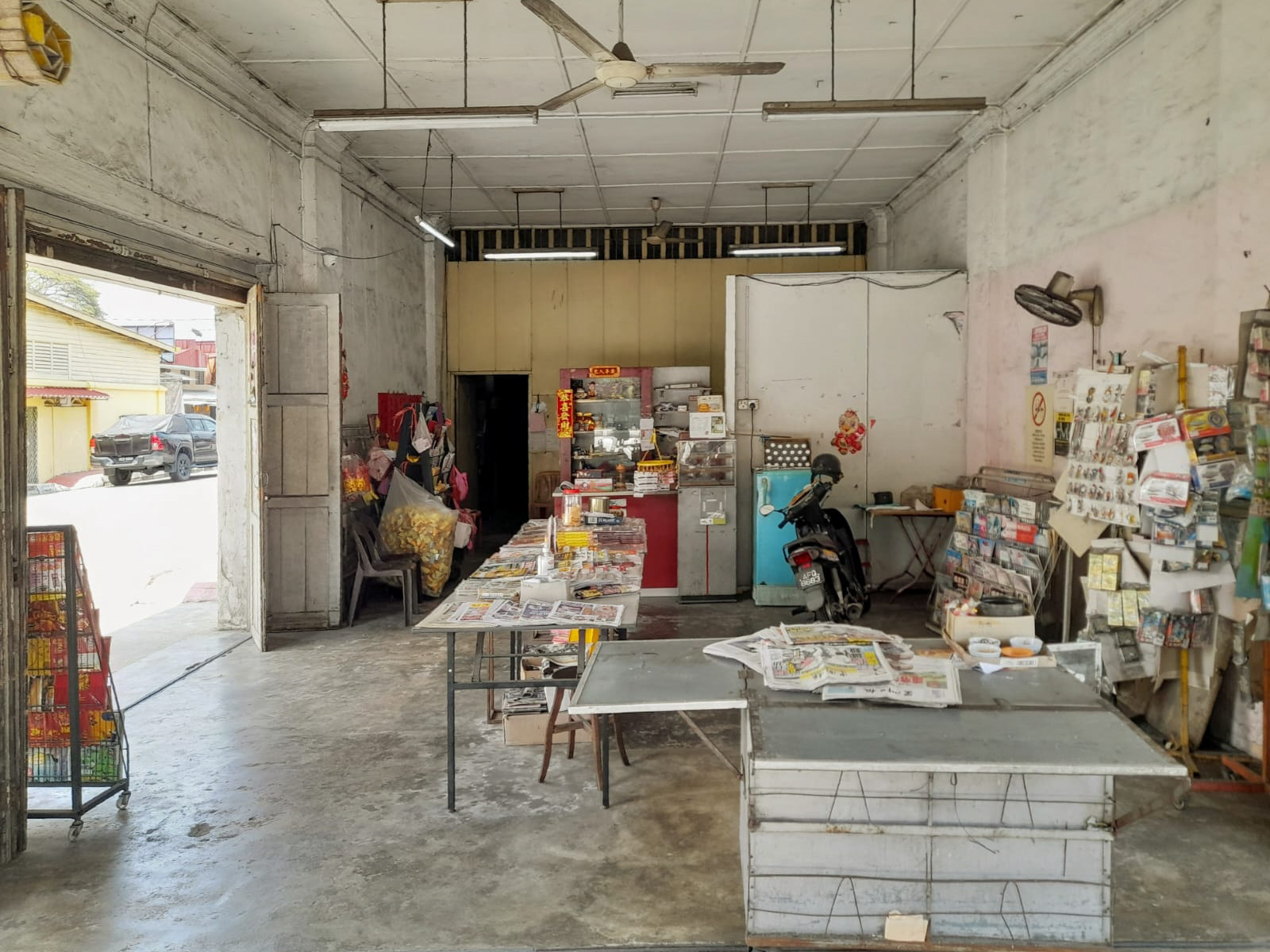
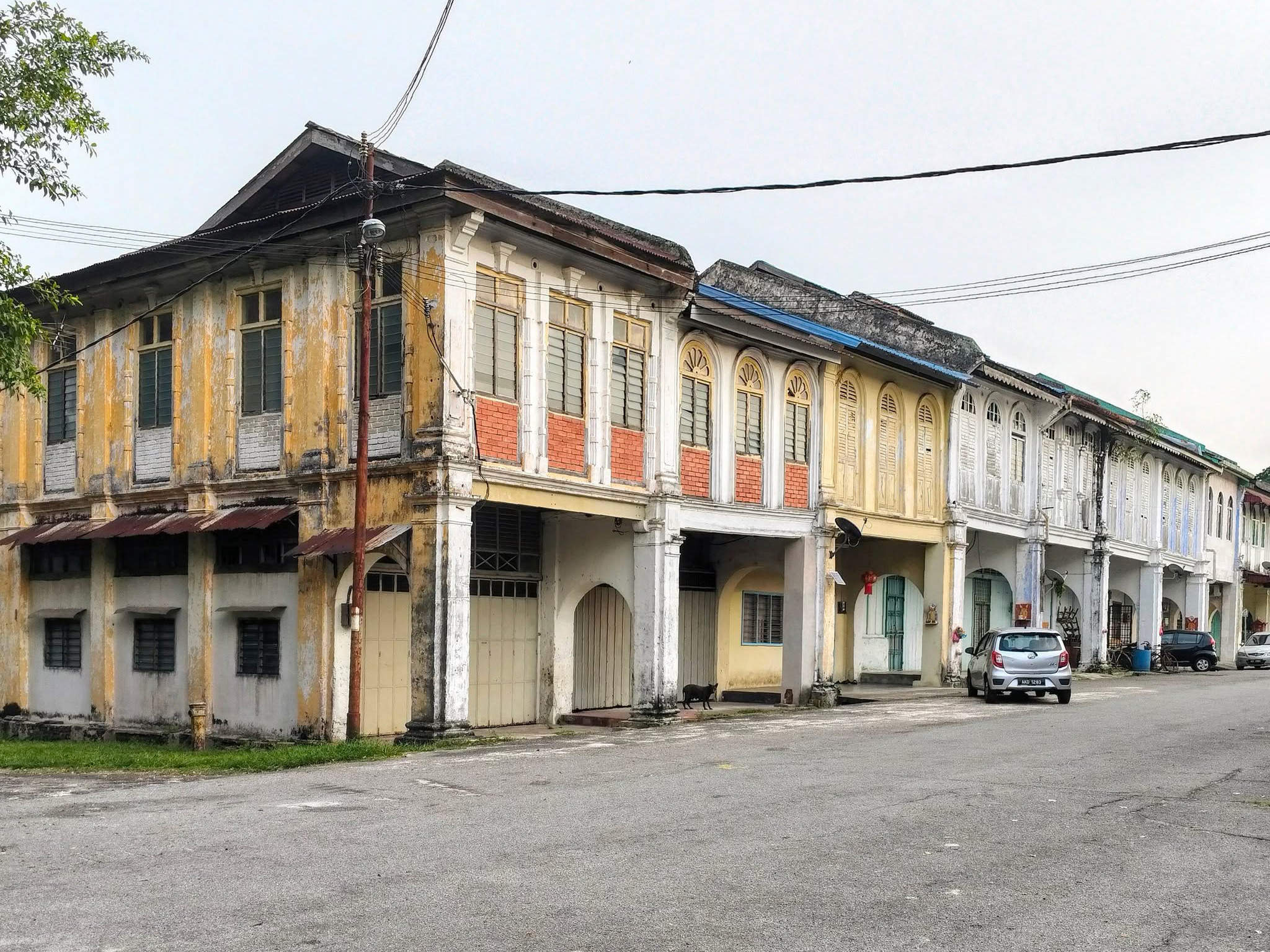
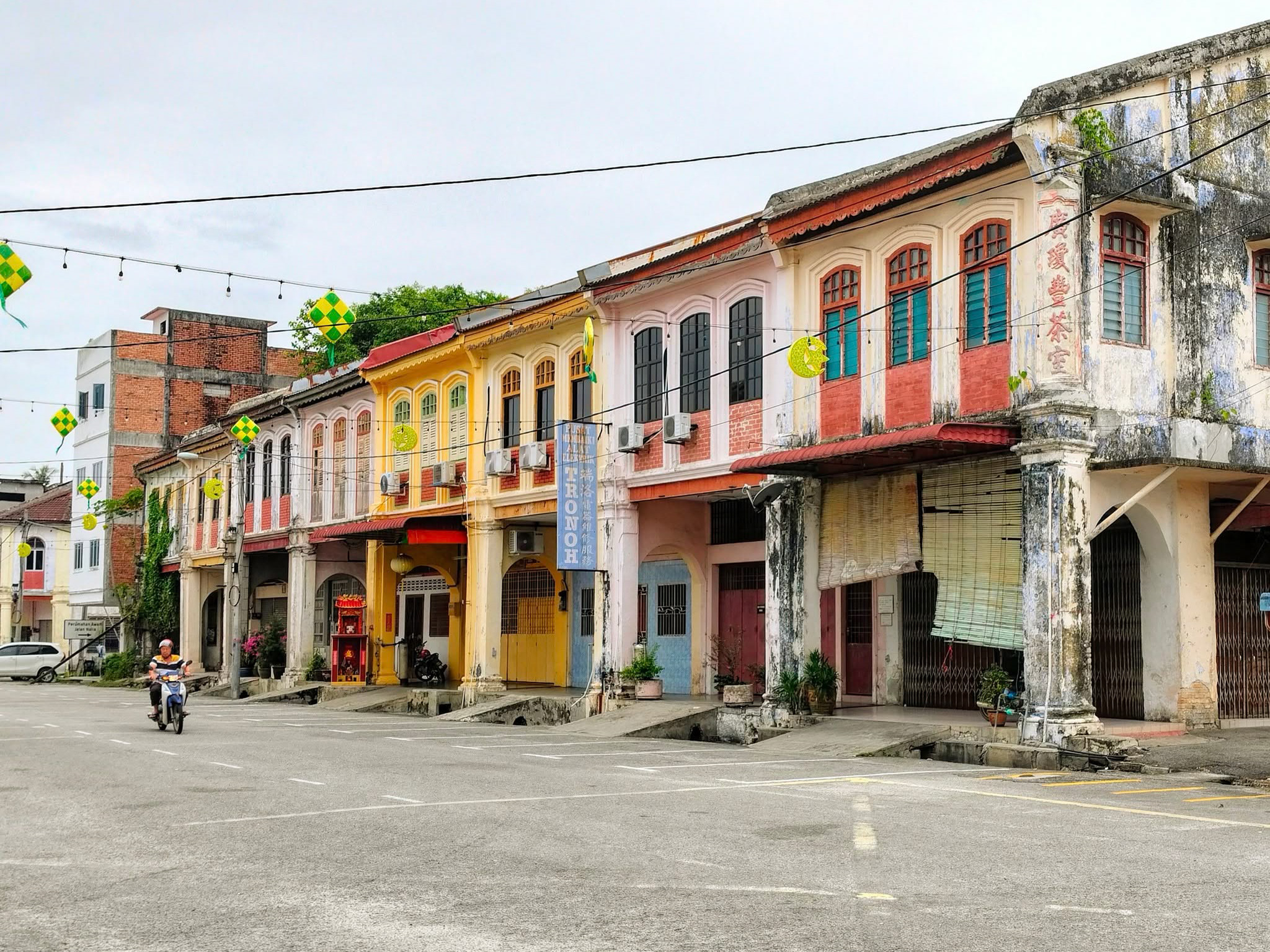
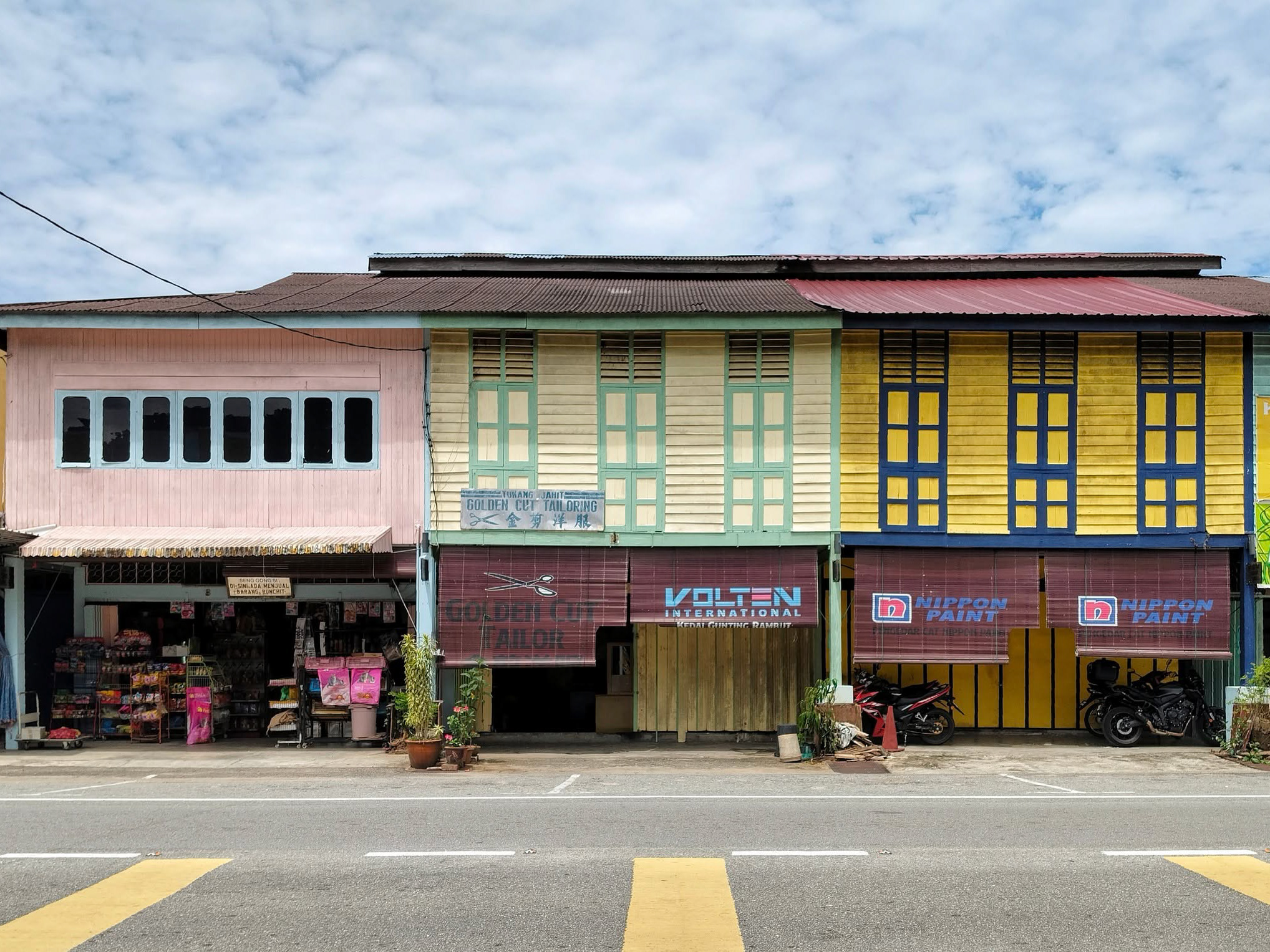
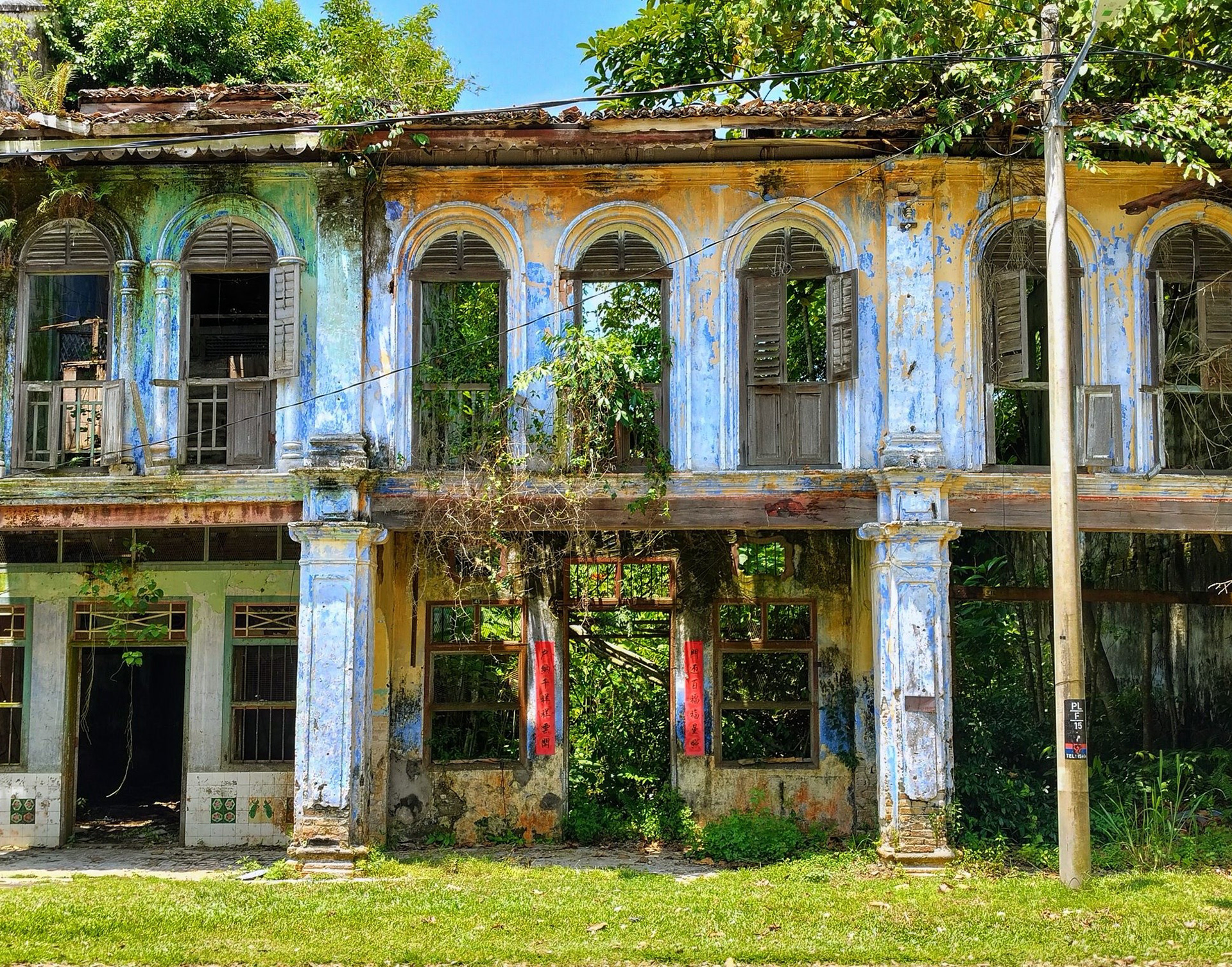
Today, Papan is a melancholic masterpiece of abandonment. Creeping vines embrace crumbling shophouses; rusted tin roofs sag under the weight of decades; the once-bustling streets now echo only with the whispers of the wind. And yet, there is an undeniable allure in its decay—a haunting beauty that stirs the soul.
Papan remains suspended in time, a testament to impermanence. For those who wander its overgrown lanes, it is not merely a ghost town—it is a poem written in peeling paint and fractured beams, a love letter to history slowly being reclaimed by the earth. Perhaps some places are meant to fade, their stories lingering just long enough to remind us that even in ruin, there is romance.