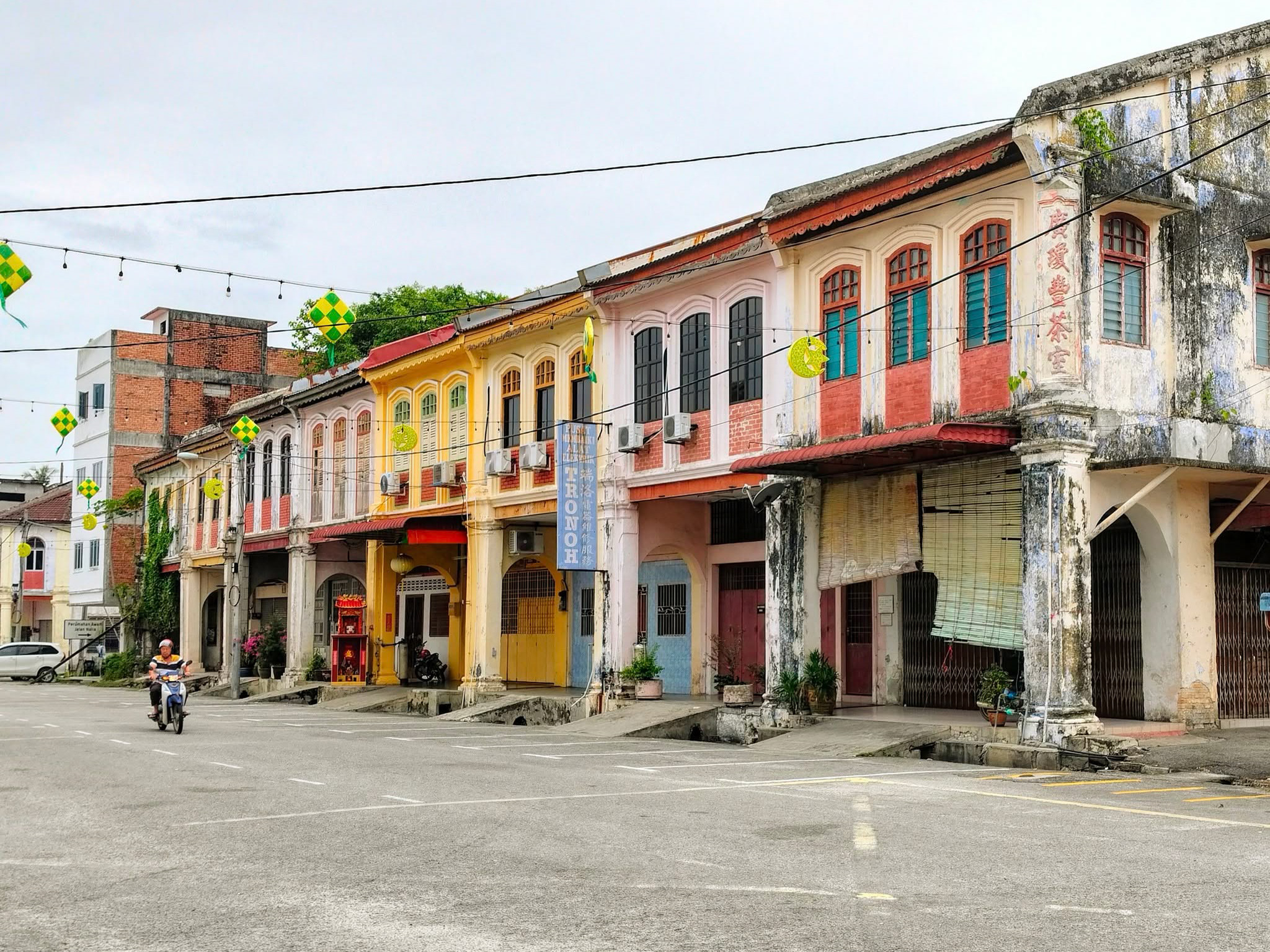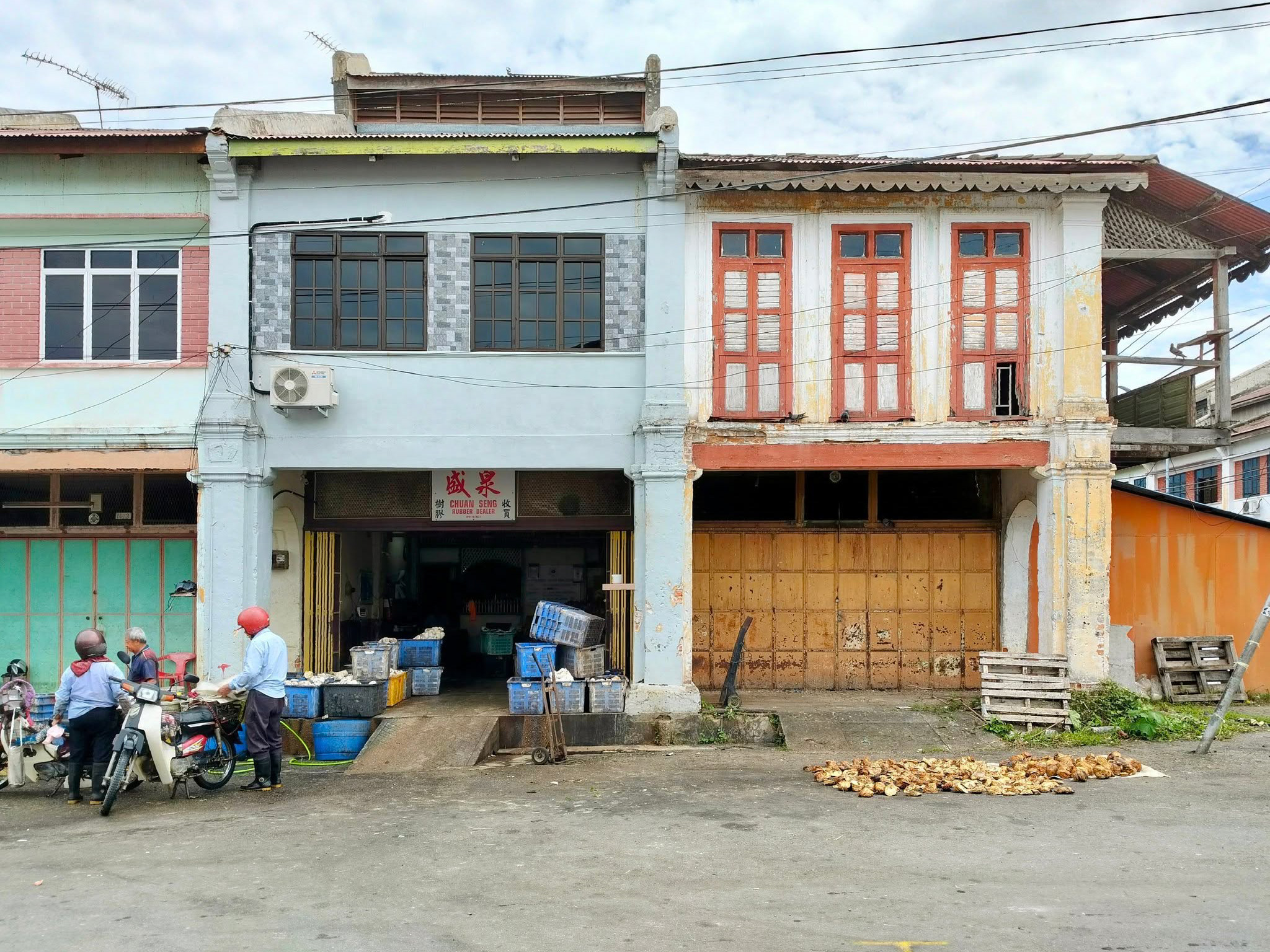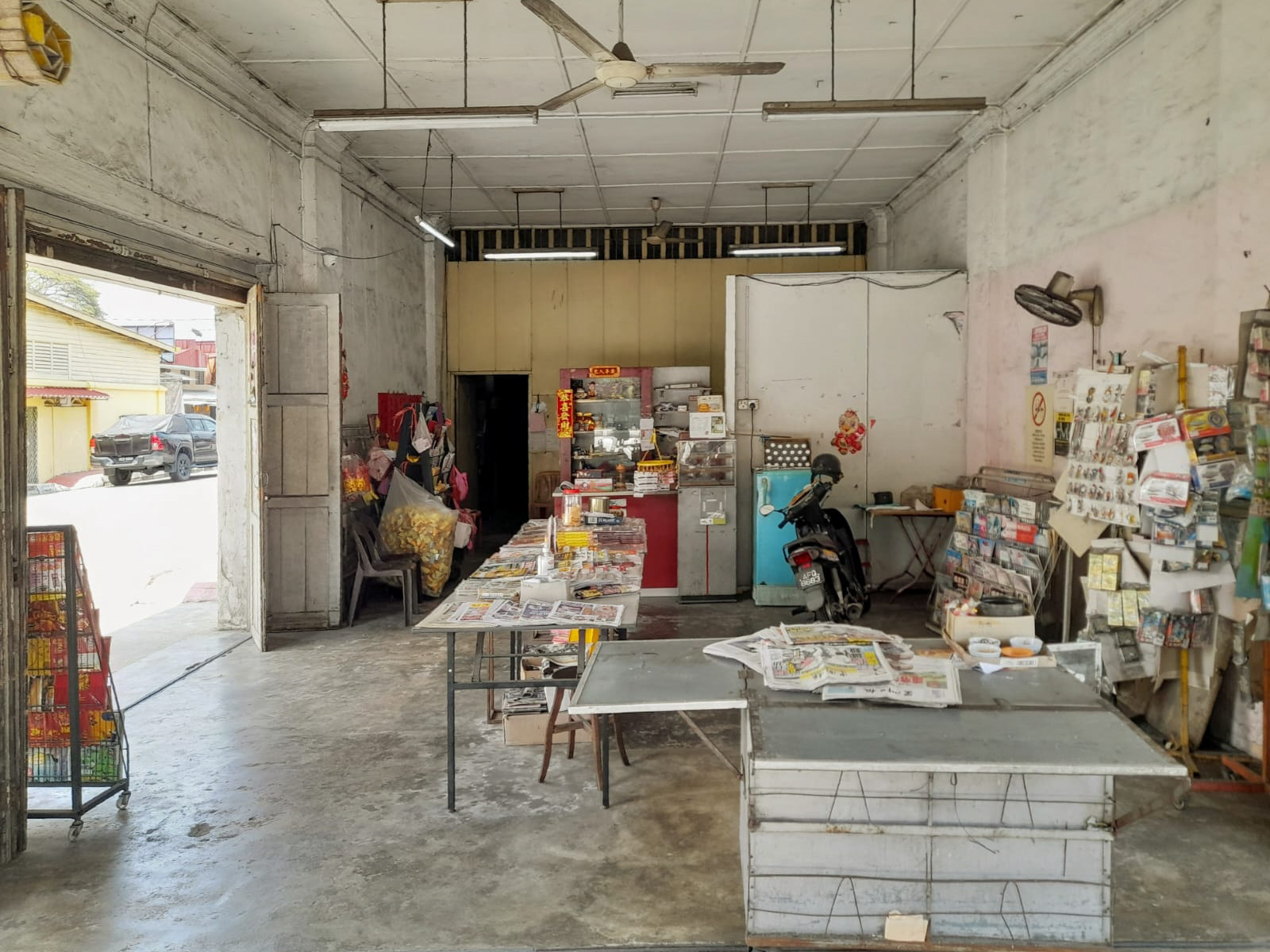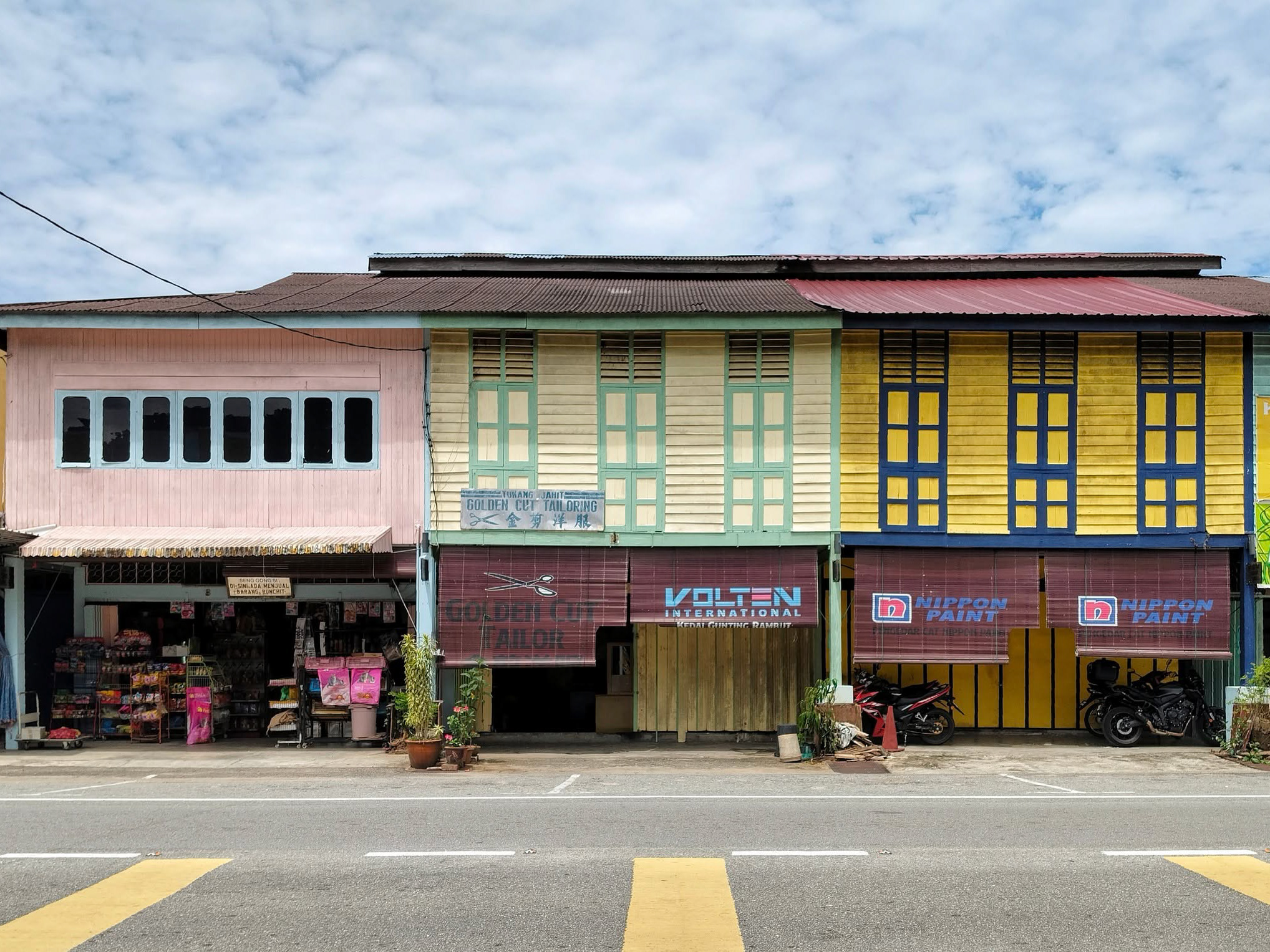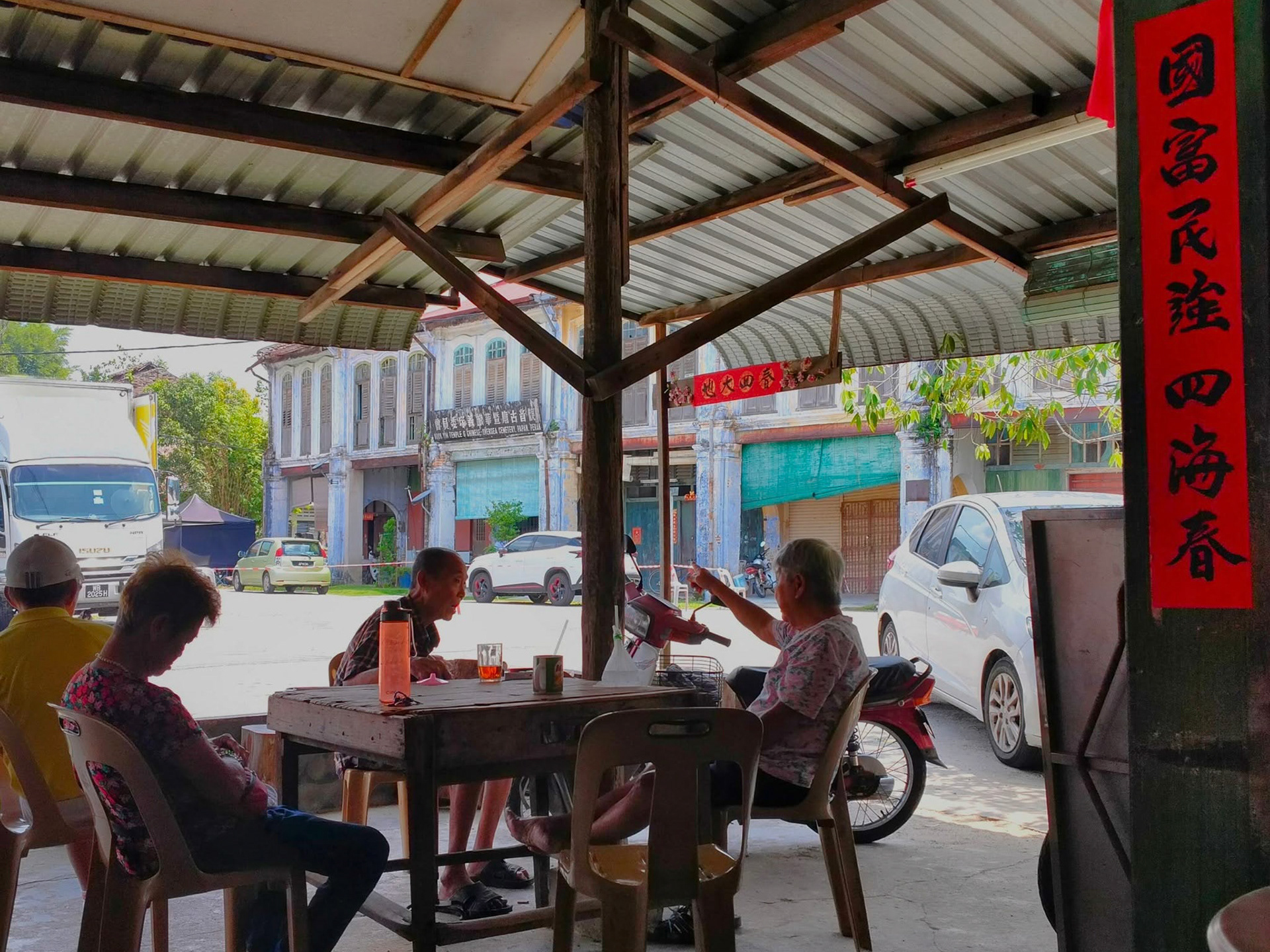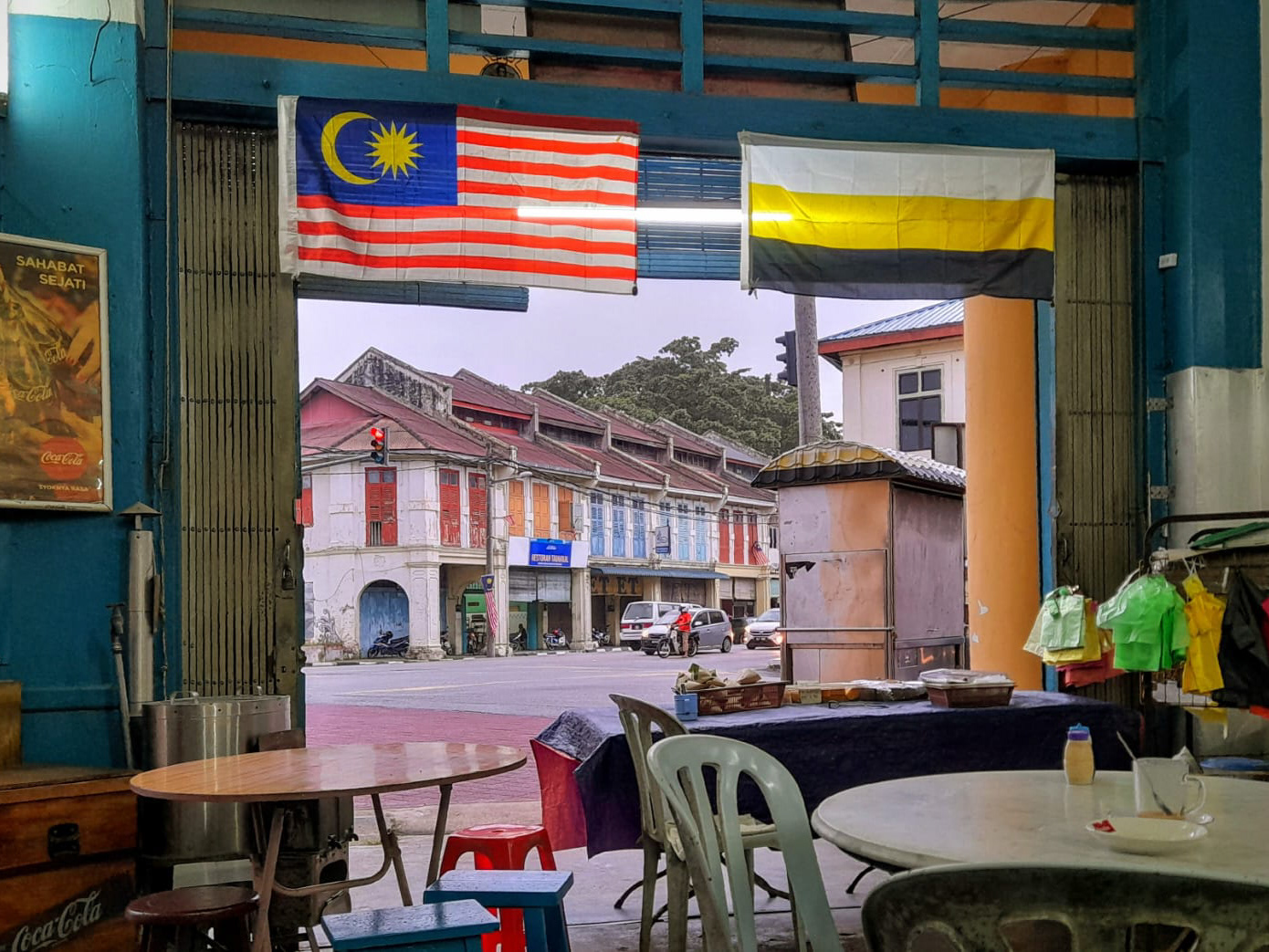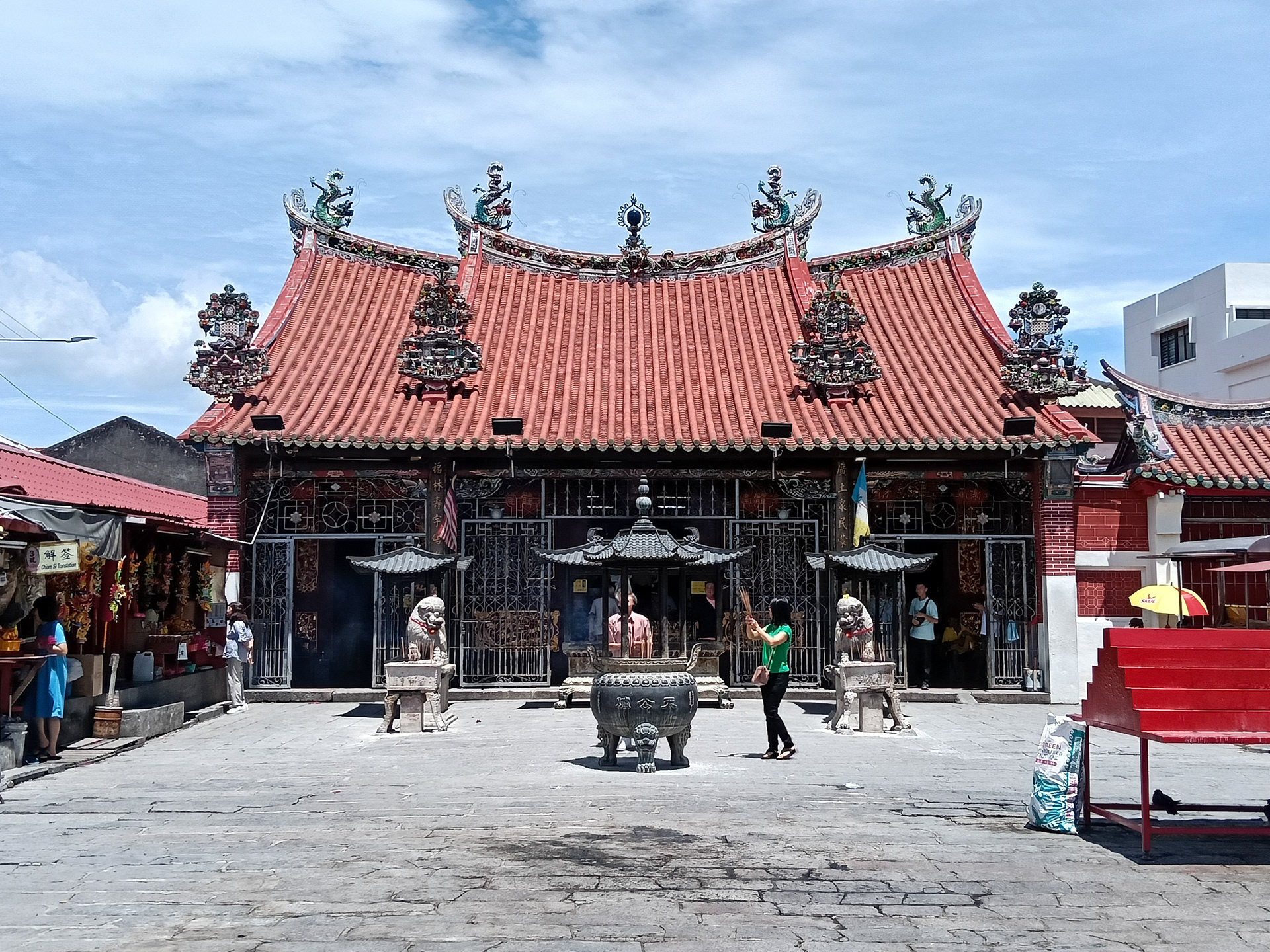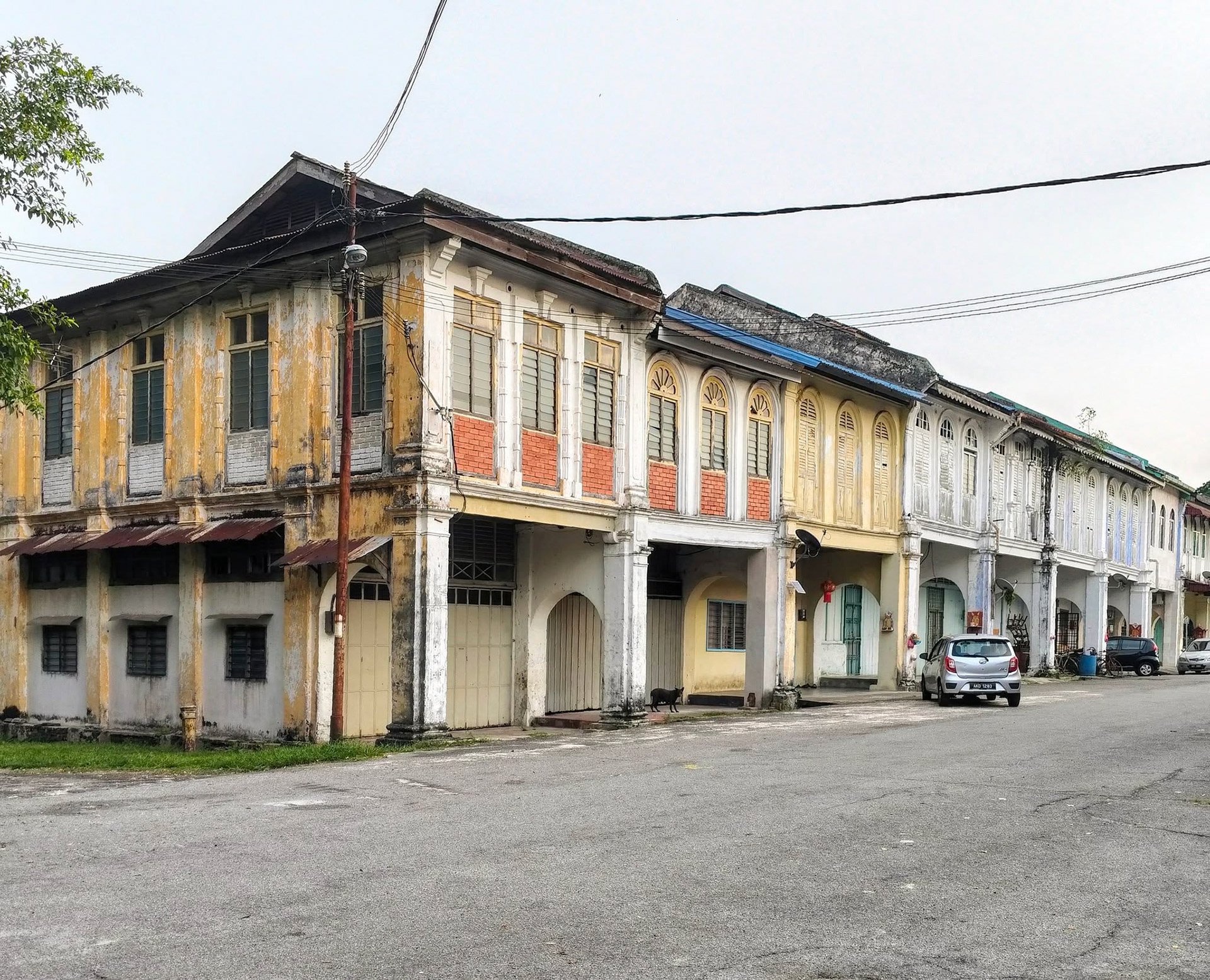
Lahat’s history is tied to the 19th century tin rush that transformed the Kinta Valley from forested hinterland into one of the wealthiest mining belts in the world. The Kinta River and its tributaries provided both access and water for hydraulic mining, while the rich alluvial plains around Lahat were ideal for “dulang washing” (panning for tin) and later for large-scale open-cast mining.
By the early 20th century, Lahat had developed rail and road links that connected it directly to Ipoh, the administrative and economic capital of Kinta. The Federated Malay States Railways included Lahat as a stop along its line, ferrying tin, passengers, and later rubber goods to the port of Penang.
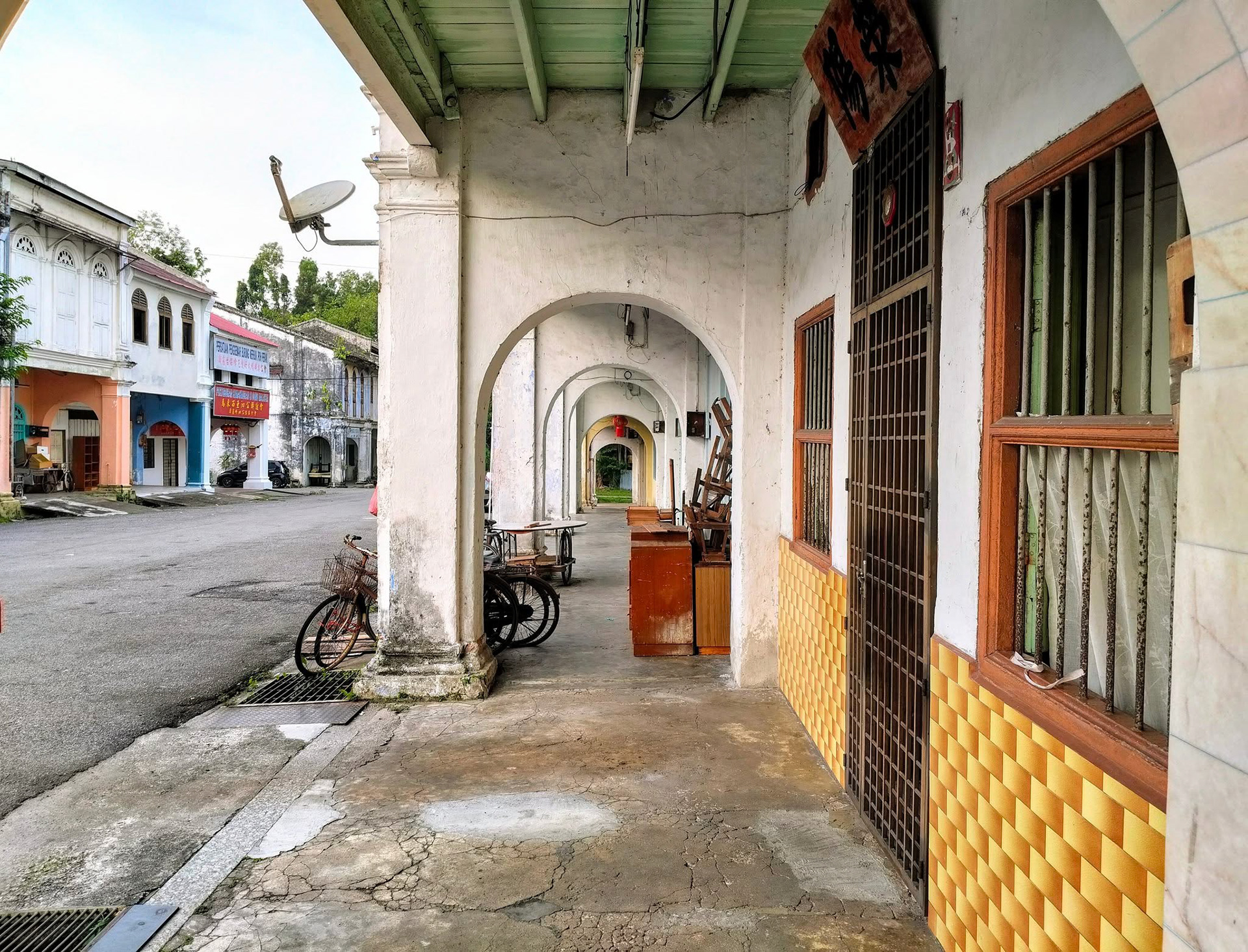
In the quiet, tin-rich town of Lahat, history once brushed against the everyday rhythm of village life. It was here that Dr. Sun Yat-sen, the tireless revolutionary, sought refuge and support during his campaign to fund his tenth attempt to overthrow the Qing Dynasty. Imagine the town streets alive with hushed whispers of his presence, locals curious about the man whose ideas threatened an empire.
Nearby, Foo Choo Choon, the “Tin King,” wielded influence that reached all the way to Beijing. Favoured by the Emperor himself for decades, his wealth and connections made him a figure of immense power—and a potential ally or obstacle in Sun’s audacious plans. One can only imagine the delicate dance of persuasion and principle: how Sun navigated a town both steeped in the hum of tin-mining commerce and alive with the undercurrents of revolution. How did the locals receive him? Did they see him as a restless idealist, a threat, or a beacon of hope?
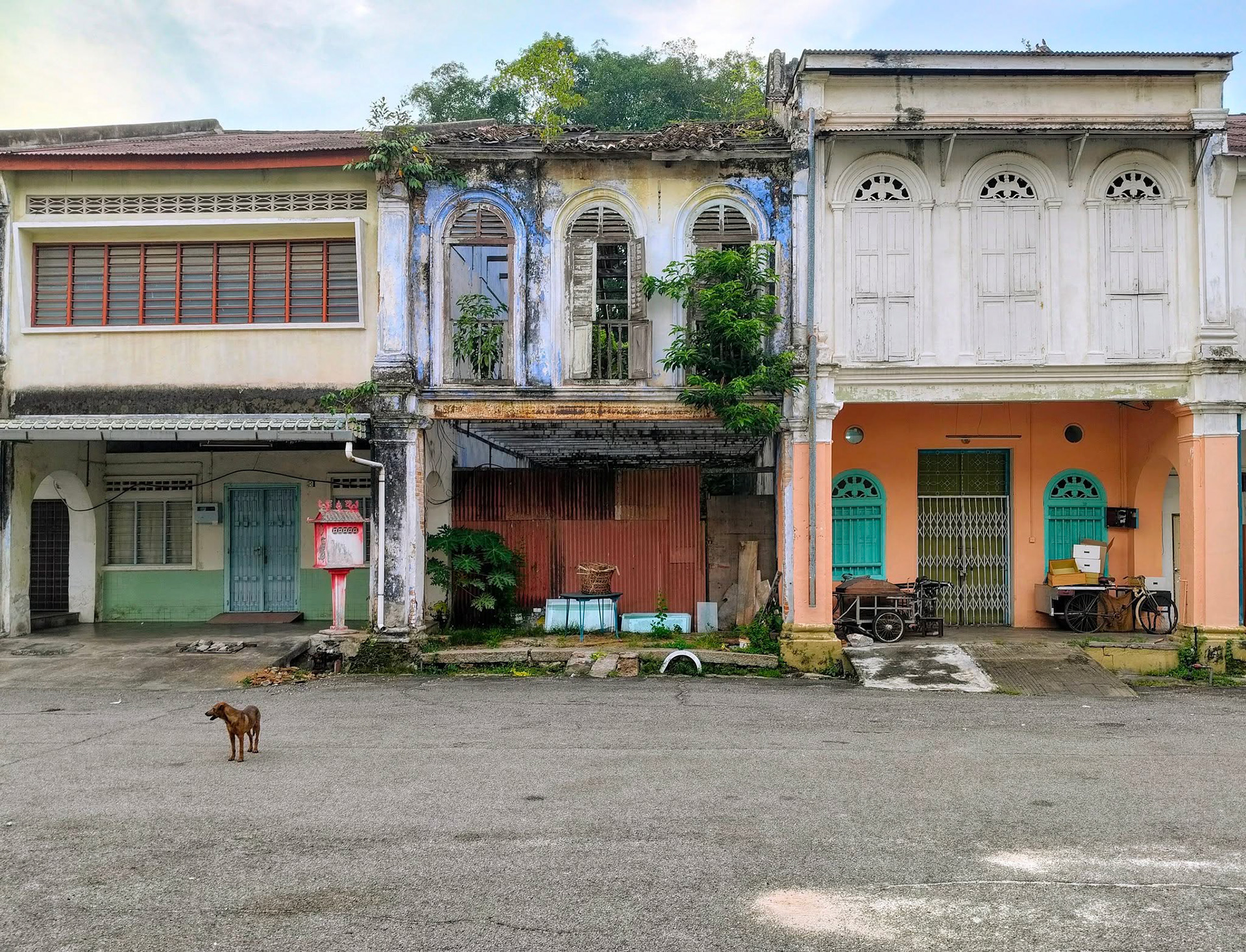
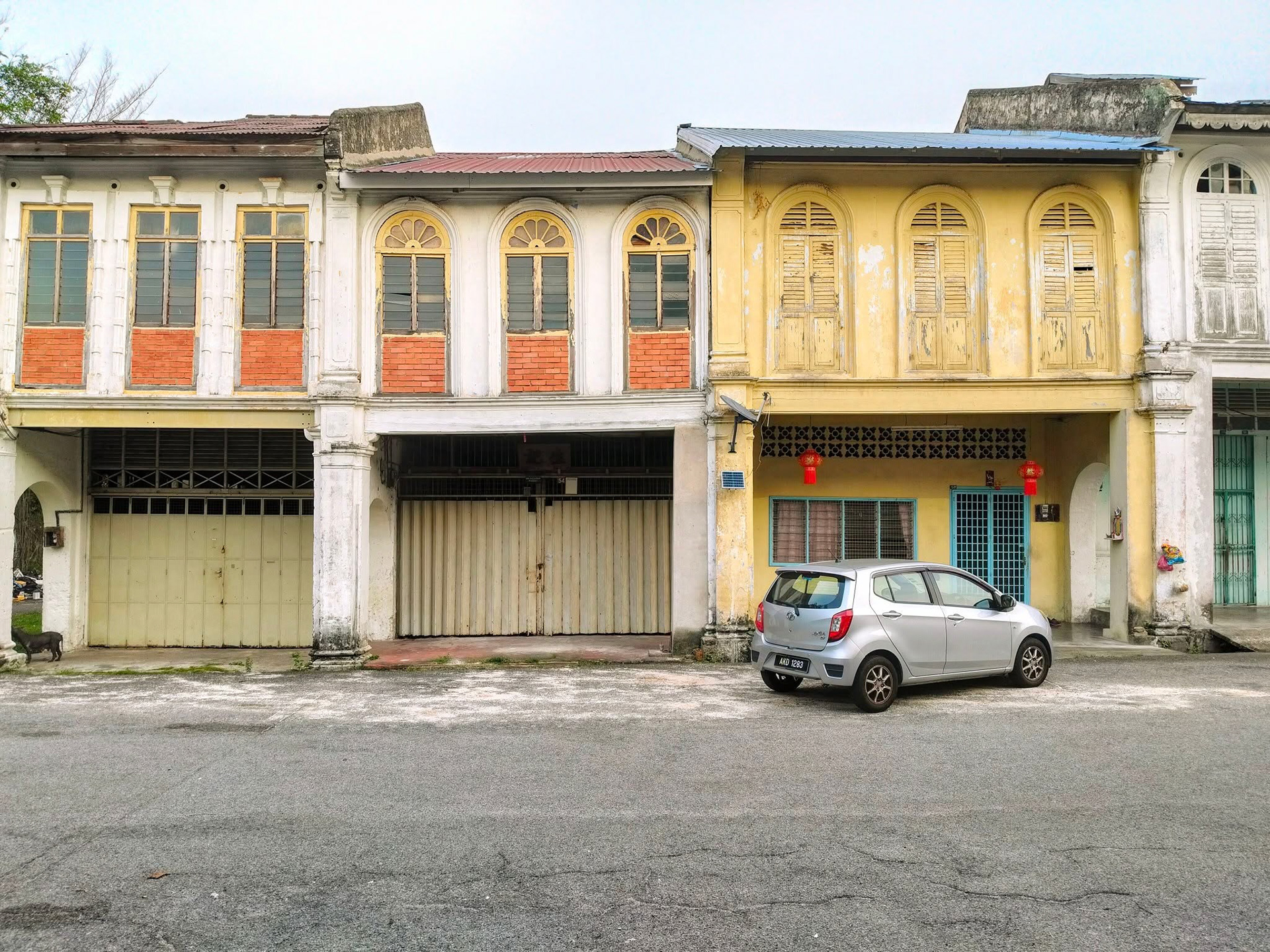
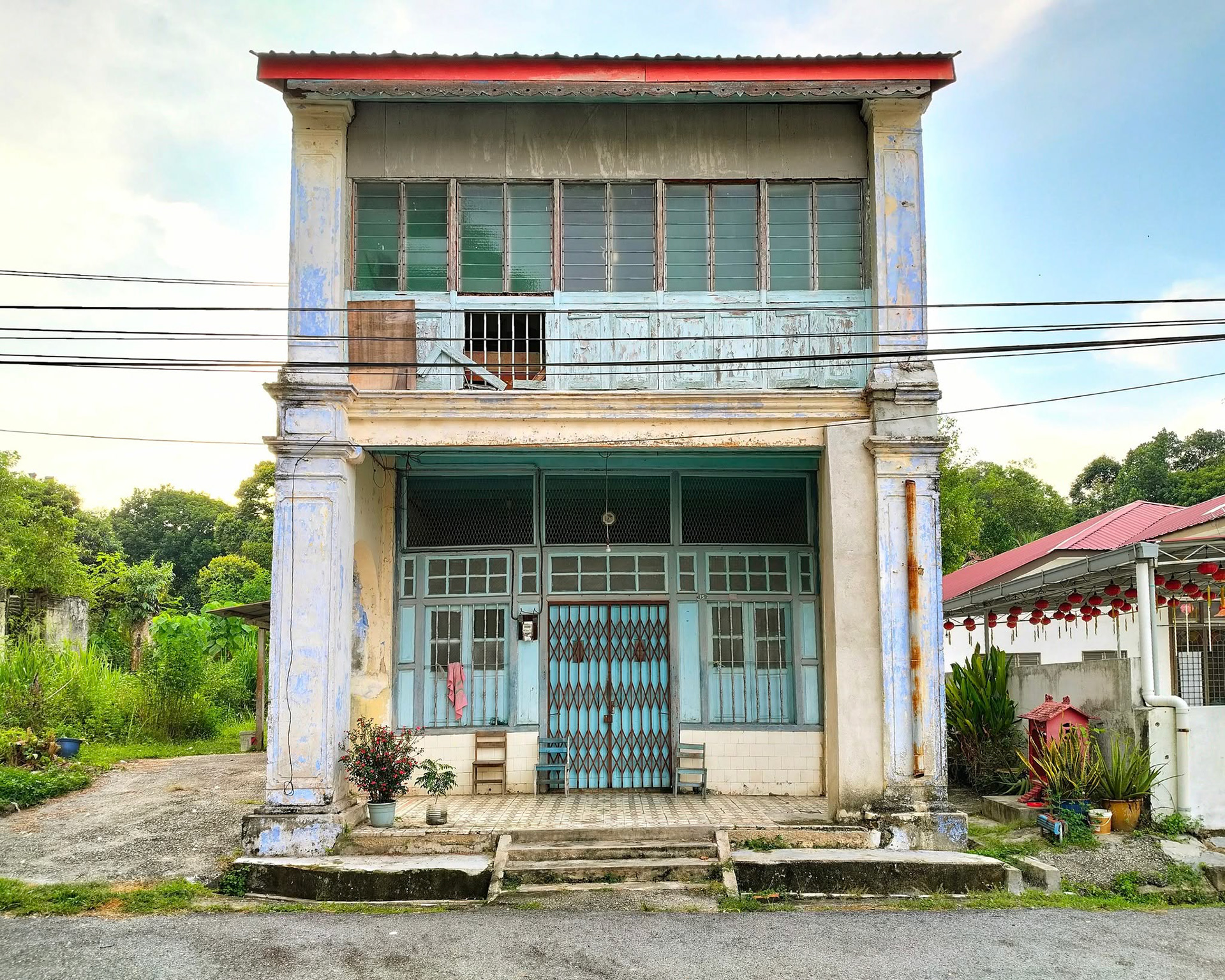
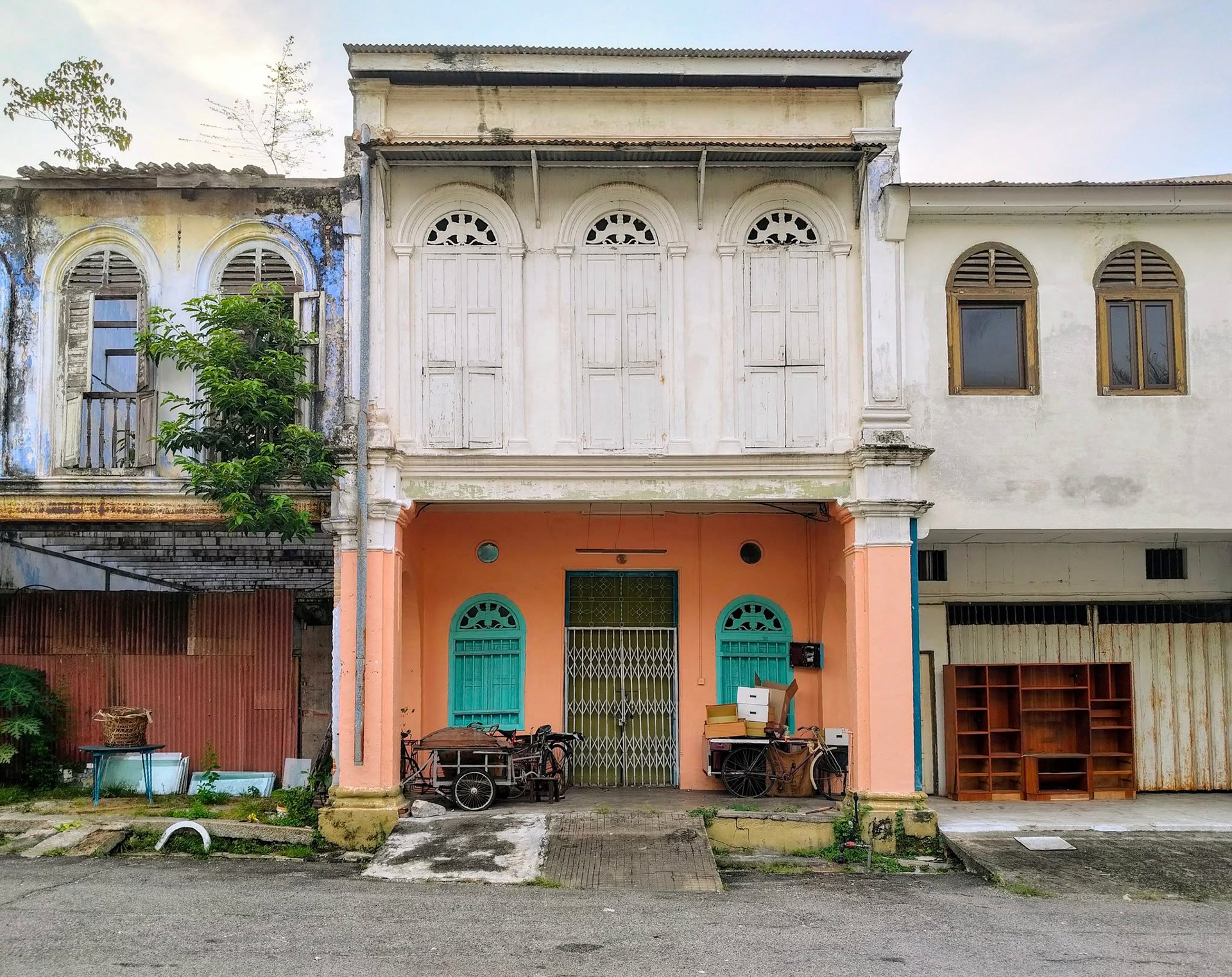
Here, in one small corner of Lahat, three shophouses stand not just as buildings but as sentinels from three different decades, stitched together in uneasy harmony. They do not match nor blend, but together, they tell a story of independence, decay, resilience, and forgotten grace.
To the left, a post-war structure stands stark and square, its mint-green grille and sealed airwell murmuring of 1960s Malaysia—an era of survival over splendour. At the centre, the heart of the row bleeds history, with a pre-war shophouse with ghostly colonial arches, blue paint fading into sorrowful grey, its windows broken like blind eyes. Trees claw from its fractured roof, roots gripping timber like memories refusing to die.
There is a altar table still standing; abandoned, yet worshipped. Beneath it, a rusting delivery tricycle crouches in the shadows. And there, in the centre of this still, crumbling chorus, a skinny brown dog wanders through the silence.